
Alain Carrazé
Author of The Prisoner: A Televisionary Masterpiece
About the Author
Works by Alain Carrazé
Associated Works
Tagged
Common Knowledge
- Canonical name
- Carrazé, Alain
- Birthdate
- 20th Century
- Gender
- male
- Nationality
- France
- Associated Place (for map)
- France
Members
Reviews
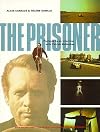
The Internet has mainly made this sort of book obsolete; and as an early example of the type (1989), there are some instances where the delivery is a bit flawed - the episode summaries, for instance, lack the sort of analysis and insight that many later fan/professional crossover works for other shows offer. There are also fairly gross production errors - sentences or blocks of text either missing or duplicated.
But there is interesting detail of the actual production process, such as the show more division of filming for blocks of episodes between Portmeirion and the studio; and the background to the show's genesis, coming out of the earlier Danger Man* series, is illuminating. It was never directly stated that The Prisoner was a direct sequel to Danger Man, but it seems that everyone connected with the shows, including Patrick McGoohan himself, worked on that assumption. The show certainly started out as a thematic sequel, putting a prime-time family entertainment spy story on tv screens; but as time went by, McGoohan pushed the allegorical and philosophical sides of the show further into the foreground.
The show was actually cancelled as from episode 13, but for contractual reasons four more episodes were commissioned, including McGoohan's controversial final episodes, Once Upon a Time and Fall Out. In retrospect, revealing Number One to be some fiendish James Bond-style villain who we had never previously seen would have been a cop-out. Number One had to be someone closely connected with the story of the Prisoner himself; ultimately, finding out that Number Six's captor is Number Six is the only possible ending.
*Secret Agent in the USA. show less
But there is interesting detail of the actual production process, such as the show more division of filming for blocks of episodes between Portmeirion and the studio; and the background to the show's genesis, coming out of the earlier Danger Man* series, is illuminating. It was never directly stated that The Prisoner was a direct sequel to Danger Man, but it seems that everyone connected with the shows, including Patrick McGoohan himself, worked on that assumption. The show certainly started out as a thematic sequel, putting a prime-time family entertainment spy story on tv screens; but as time went by, McGoohan pushed the allegorical and philosophical sides of the show further into the foreground.
The show was actually cancelled as from episode 13, but for contractual reasons four more episodes were commissioned, including McGoohan's controversial final episodes, Once Upon a Time and Fall Out. In retrospect, revealing Number One to be some fiendish James Bond-style villain who we had never previously seen would have been a cop-out. Number One had to be someone closely connected with the story of the Prisoner himself; ultimately, finding out that Number Six's captor is Number Six is the only possible ending.
*Secret Agent in the USA. show less
http://nwhyte.livejournal.com/1217101.html
I'm still looking for the perfect book about The Prisoner, but this is not bad at all: originally published in French (but translated fairly smoothly) it includes the usual episode guide, but lavishly illustrated and recounting each plot in great detail; it has one thing I really did want, a narrative of the production history (which puts script editor George Marksteiner's side of the story as well as McGoohan's version of events); and also a show more fascinating interview with McGoohan, where he says that actually he would have been happy if only seven episodes had been made; there are only seven that he finds true to the concept and the rest are padding. (We may now try and identify which they were.) Recommended. show less
I'm still looking for the perfect book about The Prisoner, but this is not bad at all: originally published in French (but translated fairly smoothly) it includes the usual episode guide, but lavishly illustrated and recounting each plot in great detail; it has one thing I really did want, a narrative of the production history (which puts script editor George Marksteiner's side of the story as well as McGoohan's version of events); and also a show more fascinating interview with McGoohan, where he says that actually he would have been happy if only seven episodes had been made; there are only seven that he finds true to the concept and the rest are padding. (We may now try and identify which they were.) Recommended. show less
Awards

You May Also Like


Associated Authors
Statistics
- Works
- 4
- Also by
- 2
- Members
- 208
- Popularity
- #106,481
- Rating
- 3.5
- Reviews
- 2
- ISBNs
- 9
- Languages
- 1