
Kathy Harrison
Author of Another Place at the Table
About the Author
Kathy Harrison is the author of Justin Case, Another Place at the Table, and One Small Boat. She is a national spokesperson for both family preparedness and foster parenting. She has appeared on TODAY, Oprah, National Geographies Doomsday Preppers, and NPR. She lives with her family in western show more Massachusetts. show less
Works by Kathy Harrison
Tagged
Common Knowledge
- Canonical name
- Harrison, Kathy
- Legal name
- Harrison, Kathryn A.
- Birthdate
- 1952-07-29
- Gender
- female
- Awards and honors
- Goldie Foster Award, 2002
- Places of residence
- Massachusetts, USA
- Associated Place (for map)
- Massachusetts, USA
Members
Reviews
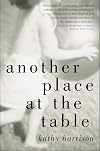
All I can say is WOW. I wish this book was required reading for everyone. I was intrigued and ordered it on Amazon, and saw that I could get the audiobook from the library while I waited for my package to arrive, and I ended up listening for hours on end and finishing the entire book before it even shipped. I could have cancelled the order and saved my money, but I was so dumbfounded that I just needed to have the physical copy. This is a jarring firsthand account of the foster care system, show more from a woman who has fostered over 100 children in her lifetime. One hundred! Children who traumatized, children who are violent, children who are born from tragic circumstances, children who have been sexually abused, children who sexually abuse other children. It seems like for every situation possible, Kathy Harrison has experienced it and lives to tell the tale. I have always wanted to foster/adopt, and rather than deter me or scare me away like this book probably should have, I now have a renewed sense of purpose and determination. The system is absolutely broken but people like her make such a huge difference and it was so inspiring to see, even amidst the heartbreak and the custody battles. It gave me more insight as to what life is like for the adopted special needs kids I have worked with and the struggles I see them facing now. The world is being changed, one broken child at a time. I really appreciate the brutally honest portrayal of what accepting foster care children into your home is like and the heavy weight and trials that come with it. This book was so raw and real and simply amazing- may there always be another place at my table, too. show less
Prepping 101: 40 Steps You Can Take to Be Prepared: Protect Your Family, Prepare for Weather Disasters, and Be Ready and Resilient when Emergencies Arise by Kathy Harrison
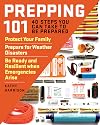
As far as books go, there are several genres and types that I gravitate toward. Books that tell you how to do things have a major attraction for me. I picked this book up from the library because it looked interesting, and it did not disappoint. Prepping 101 is an easy to follow guide on planning for the worst. Author Kathy Harrison provides step-by-step instructions on 40 different things you can do to be prepared.
A lot of times we don’t like to think of the worst happening, but it is a show more reasonable thought to have. Imagine a situation where utilities were out, roads were inaccessible, supermarkets were closed, and Gas Stations were shuttered. Could you provide for yourself and your family if such a thing were to happen? With our aging infrastructure and dependence on devices to do everything it would be quite difficult.
The most valuable thing this book offers, other than advice, is a mindset. It has plans for a lot of things. For instance, if you own your home, do you know where the utilities enter your house? Do you know how to flip the breakers to restore power? If you don’t, you should.
A lot of the book is focused on down-to-earth methods. Canning your own food, planning for water shortages, keeping your pets or children from panicking. In that sense, it is a great resource. It would probably be better to read it and prepare before something does happen though, and that is the most difficult thing of all. show less
A lot of times we don’t like to think of the worst happening, but it is a show more reasonable thought to have. Imagine a situation where utilities were out, roads were inaccessible, supermarkets were closed, and Gas Stations were shuttered. Could you provide for yourself and your family if such a thing were to happen? With our aging infrastructure and dependence on devices to do everything it would be quite difficult.
The most valuable thing this book offers, other than advice, is a mindset. It has plans for a lot of things. For instance, if you own your home, do you know where the utilities enter your house? Do you know how to flip the breakers to restore power? If you don’t, you should.
A lot of the book is focused on down-to-earth methods. Canning your own food, planning for water shortages, keeping your pets or children from panicking. In that sense, it is a great resource. It would probably be better to read it and prepare before something does happen though, and that is the most difficult thing of all. show less
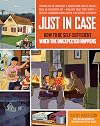
In Aesop’s fable of the Ant and the Grasshopper, the Ants dutifully prepare while the Grasshopper fiddles away. He scoffs at the Ants, pointing out that food is plentiful and they should have fun while they can. When winter hits, the Grasshopper would have died if it weren’t for the help of the ants. In Kathy Harrison’s Just in Case, we are reminded that a little organization, preparation, and planning can keep our families safe and comfortable when something happens.
Rather than scare show more us with the ideas that the sky is falling and no one can help up, Kathy Harrison assures her readers that yes, sometimes bad things happen, but not only can you and your family survive, but you can be comfortable, happy, and good neighbors to others. Whether the issue is a rolling blackout because of an overstressed power grid, a harder winter than expected, or even an injury that can leave a family member unable to go grocery shopping for a few weeks, we should know that something CAN and probably WILL happen. It isn’t insane paranoia to plan to keep one’s family comfortable any more than health and car insurance are paranoia.
Though she is far more self-sufficient than most of us will ever be, she assures us that thriving in a snow storm, a flood, or rolling blackouts is within the average family's grasp. Rather than panicking every time we hear a warning and running to Walmart to buy them out of bottled water and canned foods, she give the reader a flexible but clear method for stocking up a home and getting the whole family involved. She reminds us throughout to be one of the good guys--not hording those last-minute emergency supplies and sharing if possible with some of our less-prepared neighbors.
This is a wonderful handbook for any house than needs suggestions on how to make a 72-hour kit, to make sure the kids don't freak out in emergencies, and to keep a family together, safe, comfortable, and well-fed in any kind of emergency. She isn't telling us how to skin animals or set traps or survive in the brush. Use survival manuals for that. She is showing us how to avoid having to stay in emergency shelters or to need FEMA every time Mother Earth goes a little crazy. This book had the added benefit over many other preparedness guides I’ve seen in giving clear ways to involve the kids in planning, preparation, and preparedness. After reading this, I actually felt like I could do those little things you’re supposed to do with the kids without scaring them—my son can now dial 911 for the police, firemen, or doctors. Next step—fire drills. show less
Rather than scare show more us with the ideas that the sky is falling and no one can help up, Kathy Harrison assures her readers that yes, sometimes bad things happen, but not only can you and your family survive, but you can be comfortable, happy, and good neighbors to others. Whether the issue is a rolling blackout because of an overstressed power grid, a harder winter than expected, or even an injury that can leave a family member unable to go grocery shopping for a few weeks, we should know that something CAN and probably WILL happen. It isn’t insane paranoia to plan to keep one’s family comfortable any more than health and car insurance are paranoia.
Though she is far more self-sufficient than most of us will ever be, she assures us that thriving in a snow storm, a flood, or rolling blackouts is within the average family's grasp. Rather than panicking every time we hear a warning and running to Walmart to buy them out of bottled water and canned foods, she give the reader a flexible but clear method for stocking up a home and getting the whole family involved. She reminds us throughout to be one of the good guys--not hording those last-minute emergency supplies and sharing if possible with some of our less-prepared neighbors.
This is a wonderful handbook for any house than needs suggestions on how to make a 72-hour kit, to make sure the kids don't freak out in emergencies, and to keep a family together, safe, comfortable, and well-fed in any kind of emergency. She isn't telling us how to skin animals or set traps or survive in the brush. Use survival manuals for that. She is showing us how to avoid having to stay in emergency shelters or to need FEMA every time Mother Earth goes a little crazy. This book had the added benefit over many other preparedness guides I’ve seen in giving clear ways to involve the kids in planning, preparation, and preparedness. After reading this, I actually felt like I could do those little things you’re supposed to do with the kids without scaring them—my son can now dial 911 for the police, firemen, or doctors. Next step—fire drills. show less
Prepping 101: 40 Steps You Can Take to Be Prepared: Protect Your Family, Prepare for Weather Disasters, and Be Ready and Resilient when Emergencies Arise by Kathy Harrison
With short, actionable chapters full of suggestions and practical advice, I couldn't put this book down. Skipping the parts that don't apply to me, jumping to those that do - I found this a highly useful book that I'd easily recommend for anyone's reference guide. As well, the author is smart enough to know when other sources are required (for more in-depth conversations, recipes or how-to's); many of the chapters end with a recommended reading list.
I should note, as the author does: this show more is NOT a 'hunker down in the wilderness survival guide, nor a how to create a bunker information kit. It's meant for families, couples, singles - anyone dwelling in an environment where they might need to live without power, water, sewer or internet for weeks (as I did during a hurricane in the Bahamas a few years back).
My best recommendation? I've housesat full time for years, traveling around the world. I'd easily give this book as a gift to everyone whose homes and animals I've cared for. show less
I should note, as the author does: this show more is NOT a 'hunker down in the wilderness survival guide, nor a how to create a bunker information kit. It's meant for families, couples, singles - anyone dwelling in an environment where they might need to live without power, water, sewer or internet for weeks (as I did during a hurricane in the Bahamas a few years back).
My best recommendation? I've housesat full time for years, traveling around the world. I'd easily give this book as a gift to everyone whose homes and animals I've cared for. show less
Lists
GAL Book Club (1)
You May Also Like


Associated Authors
Statistics
- Works
- 6
- Members
- 748
- Popularity
- #33,982
- Rating
- 4.2
- Reviews
- 23
- ISBNs
- 22
- Languages
- 4
