
Matthew Gandy
Author of Concrete and Clay: Reworking Nature in New York City
About the Author
Matthew Gandy teaches geography at University College London. He has been a visiting scholar in the Graduate School of Architecture, Planning, and Preservation at Columbia University and has published widely on cultural, urban, and environmental themes
Image credit: Matthew Gandy
Works by Matthew Gandy
Associated Works
Waterworks, a Photographic Journey through New York's Hidden Water System (2003) — Introduction — 34 copies
Tagged
Common Knowledge
- Birthdate
- 20th Century
- Gender
- male
- Nationality
- USA
- Associated Place (for map)
- USA
Members
Reviews
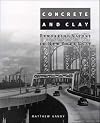
Geographer Matthew Gandy presents a century and a half of humans interacting with and overcoming nature in New York City in five chapters. He starts with the city's amazing water supply system, which draws fresh water from watersheds and reservoirs north of the city. Then he moves on to the conception and realization of Central Park in the late 19th century. Next is the parkway system laid down by Robert Moses in the middle of the 20th century. The last two chapters are the most show more contemporary: one on the Young Lords and their environmental justice movement in Puerto Rican neighborhoods; and the second on the "rustbelt ecology" of the Greenpoint-Williamsburg waterfront in Brooklyn as it shifted from industrial uses to something else. In the Bloomberg years that followed Gandy's book, that something else ended up as large commercial and residential developments at the Brooklyn Navy Yard and miles of waterfront north of it. If Gandy updated his book, surely the waterfront parks and success story that is the High Line would serve as a continuation of the last chapter. As is, Gandy's unconventional history of modern-day New York is a scholarly yet readable series of case studies that illuminates how the city has viewed nature and harnessed its resources to its advantage. Gandy hopes for more equality than reality affords; he sees Central Park as an extension of bourgeois private realms into the public rather than as bucolic nature in the midst of the city, as it's often presented. Therefore, even though the fourth and fifth chapters don't carry the same impact in terms of scale and scope as the first three chapters, they fit into the book remarkably well, carrying his argument of equality to the (near) present. show less
Lists
Awards


You May Also Like
Associated Authors
Statistics
- Works
- 10
- Also by
- 1
- Members
- 144
- Popularity
- #143,280
- Rating
- 3.8
- Reviews
- 1
- ISBNs
- 25