
Floyd Gibbons (1887–1939)
Author of The Red Knight of Germany
About the Author
Image credit: Image from "And they thought we wouldn't fight." (1918) by Floyd Phillips Gibbons
Works by Floyd Gibbons
Out of the House of Magic 1 copy
Associated Works
World War I and America: Told by the Americans Who Lived It (1918) — Contributor — 226 copies, 1 review
Tagged
Common Knowledge
- Other names
- Gibbons, Raphael Floyd Phillips
- Birthdate
- 1887-07-16
- Date of death
- 1939-09-23
- Gender
- male
- Organizations
- Chicago Tribune
- Nationality
- USA
- Birthplace
- Washington, D.C., USA
- Place of death
- Washington, D.C., USA
- Associated Place (for map)
- Washington, D.C., USA
Members
Reviews

Floyd Gibbons was a keenly observant war correspondent for the Chicago Tribune during World War I. He went on to become an early radio news reporter. He was quite possibly the originator of the idea of being embedded with the troops. This is a compilation of the dispatches of his first person experiences as American troops were introduced to the field. Consistently maintaining good relations with the commanding officers allowed him to have unprecedented access to troop movements and show more activities at the front. He was so close to the action that he was shot three times during the Battle of Belleau Wood, including in the eye. He wore a white patch over it for the rest of his life. His last bit of reportage before his injury would likely have been censored due to its colorful language, but was allowed to go into print because he was not expected to live. Live he did, to return to the front to continue reporting vividly about life and conditions of the troops on both sides and the devastating effect on the civilian population in the French countryside. This is an excellent first person account of the down in the mud conditions of the Great War. show less
The Red Knight of Germany: The Story of Baron von Richthofen, Germany's Great War Bird by Floyd Gibbons

The Red Knight of Germany: The Story of Baron von Richthofen, Germany's Great War Bird by Floyd Gibbons is an early account of the Red Baron. Gibbon's was a war correspondent for the Chicago Tribune. At the Battle of Belleau Wood he lost an eye to German gunfire while rescuing a wounded soldier; for this, he was awarded the Croix de Guerre. Afterwards, he became chief of the paper’s foreign service, but went on to become a novelist and radio commentator after being fired.
Originally show more published in 1930, Gibbons used first-hand sources to write Richthofen's biography. There are letters the baron wrote to his mother and the baron's mission reports requesting credit for kills. There are also reports from those who survived aerial combat with Richthofen too. These reports and statements show the respect the pilots had for each other and the baron. While the infantry died in the hundreds of thousands many were left to rot in no man's land, pilots were buried with honors by their enemies. The air war was a separate war.
With all the recent writing of the war at its one hundred year anniversary, this book was written just twelve years after the end of the war and Richthofen death provides some of the best coverage of the air war using primary source material. Perhaps only Rickenbacker's Fighting the Flying Circus is a better source of first-hand material. An excellent biography not only of the war but of the person Richthofen was and his drive to excellence. His fight was not of hate but of sport. For many fighting in the air war, battle was a competition much like a boxing match. It was person against person not country against country and even in war there was respect. show less
Originally show more published in 1930, Gibbons used first-hand sources to write Richthofen's biography. There are letters the baron wrote to his mother and the baron's mission reports requesting credit for kills. There are also reports from those who survived aerial combat with Richthofen too. These reports and statements show the respect the pilots had for each other and the baron. While the infantry died in the hundreds of thousands many were left to rot in no man's land, pilots were buried with honors by their enemies. The air war was a separate war.
With all the recent writing of the war at its one hundred year anniversary, this book was written just twelve years after the end of the war and Richthofen death provides some of the best coverage of the air war using primary source material. Perhaps only Rickenbacker's Fighting the Flying Circus is a better source of first-hand material. An excellent biography not only of the war but of the person Richthofen was and his drive to excellence. His fight was not of hate but of sport. For many fighting in the air war, battle was a competition much like a boxing match. It was person against person not country against country and even in war there was respect. show less

I didn't finish this book. I don't know whether it was the author's presentation, or the fact that I was trying to read it on Veteran's Day, but I couldn't stomach it. Baron Von Richthofen seemed to revel in killing. If he wasn't killing men, he was hunting animals so that he could mount their heads as trophies. This man seemed to feel his masculinity and value depended on how many things/people he killed. He was always afraid his brother would outshine him. There may have been some show more interesting information about the war from Germany's perspective in this book, but I couldn't read it past the 5th chapter. Life is precious and to be valued, mine is too valuable to waste reading this book. show less
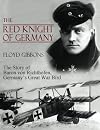
Written in 1927, less than 10 years after Richthofen's death in World War I, Floyd Gibbons gives an up close look, time-wise, at the former cavalryman and avid hunter who became World War I's "Ace-of-Aces." The best part of the book is also one of its weakest. The author tracked down and interviewed many of the pilots who survived being shot down by the Red Baron for their side of the dogfight to compare with Richthofen's own after action reports, which was fascinating. But about halfway show more through, it started to feel like the book had become just a long, detailed cataloging of the Baron's 80 victories. Then I realized that pretty much was the sum total of this man's entire life. I'd give it 4 stars for aviation Aficionados. show less
Lists
You May Also Like


Associated Authors
Statistics
- Works
- 7
- Also by
- 1
- Members
- 246
- Popularity
- #92,612
- Rating
- 4.1
- Reviews
- 6
- ISBNs
- 22
- Languages
- 2