

Edward V. Rickenbacker (1890–1973)
Author of Fighting the Flying Circus
About the Author
Image credit: Courtesy of the NYPL Digital Gallery (image use requires permission from the New York Public Library)
Works by Edward V. Rickenbacker
Associated Works
Stories of the Sea — Contributor — 4 copies
Tagged
Common Knowledge
- Legal name
- Rickenbacker, Edward Vernon
- Other names
- Rickenbacher, Edward (birth name)
Rickenbacker, Eddie - Birthdate
- 1890-10-08
- Date of death
- 1973-07-27
- Gender
- male
- Occupations
- fighter pilot
race car driver - Organizations
- United States Army Air Service
Eastern Airlines - Awards and honors
- Medal of Honor
Distinguished Service Cross
Croix de Guerre - Short biography
- Edward Vernon Rickenbacker was an American fighter ace in World War I and Medal of Honor recipient. He was also a race car driver and automotive designer, a government consultant in military matters and a pioneer in air transportation, particularly as the longtime head of Eastern Air Lines.
See Wikipedia biography. - Nationality
- USA
- Birthplace
- Columbus, Ohio, USA
- Places of residence
- New York, New York, USA
Coconut Grove, Florida, USA - Place of death
- Zürich, Switzerland
- Burial location
- Green Lawn Cemetery, Columbus, Ohio, USA
- Associated Place (for map)
- USA
Members
Reviews
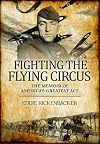
Rickenbacker's first-hand account of World War I aerial combat is riveting from start to finish. I picked this up on a whim when Amazon offered the e-book for 99 cents, and I read it quickly. The story begins in the Spring of 1918 when the first American squadrons arrive in France and ends with the Armistice in November. The detailed accounts of missions and battles--Rickenbacker's and those of his mates--are well told and fascinating. In contrast to those who, in Wilfred Owen's phrase, died show more as cattle on the ground, the pilot survived by his own skill, and by a whole lot of luck. But the life expectancy--a mere 11 days by one calculation--was even shorter. Rickenbacker learns from his mistakes along the way, makes some narrow escapes more by luck than design, but continually improves his flying and leadership skills, eventually becoming squadron leader. In addition to the adventure, I learned a lot about how WW I aerial combat worked. I didn't realize, for instance, that pilots frequently turned off their engines while in flight or while landing. Lots of memorable characters also emerge from the book, including the daredevil Frank Luke, whose incredible string of victories over a brief career is still probably unmatched.
The ebook suffers from not having any type of introduction. Rickenbacker's narrative is totally focused on those few months in the war. There is only a passing mention of what he did before it, and the book ends with the Armistice, so you'll have to look elsewhere to see what happens to him afterwards. But for the sheer power of the well-written narrative alone, this gets five stars. show less
The ebook suffers from not having any type of introduction. Rickenbacker's narrative is totally focused on those few months in the war. There is only a passing mention of what he did before it, and the book ends with the Armistice, so you'll have to look elsewhere to see what happens to him afterwards. But for the sheer power of the well-written narrative alone, this gets five stars. show less
"Fighting the Flying Circus" is an exhilarating firsthand account that thrusts readers into the heart of aerial combat during World War I. Penned by Edward V. Rickenbacker, a legendary American fighter pilot and one of the highest-scoring aces of the war, this memoir provides an immersive and captivating narrative of his experiences in the skies.
Rickenbacker's memoir transports readers to the intense and deadly dogfights that raged above the war-torn landscapes of Europe. His vivid show more descriptions and thrilling anecdotes bring to life the adrenaline-fueled battles, the ever-present danger, and the camaraderie among fellow pilots. Through his keen observations and unwavering determination, Rickenbacker offers readers a rare glimpse into the world of early aviation and the valiant efforts of those who took to the skies in defense of their nations.
What sets "Fighting the Flying Circus" apart is Rickenbacker's exceptional storytelling ability. His prose is filled with a sense of authenticity and a deep understanding of the realities of war. The author's attention to detail paints a vivid picture of the aerial engagements, allowing readers to visualize the whirling biplanes, the thunderous engines, and the fierce maneuvers that defined air combat during that era.
Moreover, Rickenbacker's memoir offers valuable insights into the psychological and strategic aspects of aerial warfare. He delves into the challenges faced by pilots, including the mental strain of constant vigilance, the tactical decisions that could mean life or death, and the devastating losses that cast a somber shadow over the skies. Rickenbacker's introspection and analysis provide readers with a deeper understanding of the realities faced by those who fought in the air.
While the focus of the book is predominantly on Rickenbacker's own experiences, it does offer glimpses of the broader historical context. The author touches on the evolution of aerial combat, the technical advancements in aircraft, and the role of air power in shaping the course of the war. These broader insights add depth and context to Rickenbacker's personal narrative, creating a more comprehensive account of the era.
One aspect that may leave readers wanting more is a greater exploration of Rickenbacker's personal life and the impact of his experiences on his post-war years. While the memoir primarily focuses on his wartime exploits, a deeper exploration of the human side of Rickenbacker's story would have added additional layers of emotional resonance.
"Fighting the Flying Circus" is a captivating memoir that transports readers to the skies of World War I, providing a gripping firsthand account of aerial combat. Rickenbacker's storytelling prowess, combined with his invaluable insights into the realities of war, make this book a must-read for aviation enthusiasts, history buffs, and anyone seeking a thrilling tale of courage, skill, and resilience. By sharing his remarkable journey, Rickenbacker immortalizes the bravery and sacrifice of the early aviators, leaving readers with a profound appreciation for their contributions to the annals of military history. show less
Rickenbacker's memoir transports readers to the intense and deadly dogfights that raged above the war-torn landscapes of Europe. His vivid show more descriptions and thrilling anecdotes bring to life the adrenaline-fueled battles, the ever-present danger, and the camaraderie among fellow pilots. Through his keen observations and unwavering determination, Rickenbacker offers readers a rare glimpse into the world of early aviation and the valiant efforts of those who took to the skies in defense of their nations.
What sets "Fighting the Flying Circus" apart is Rickenbacker's exceptional storytelling ability. His prose is filled with a sense of authenticity and a deep understanding of the realities of war. The author's attention to detail paints a vivid picture of the aerial engagements, allowing readers to visualize the whirling biplanes, the thunderous engines, and the fierce maneuvers that defined air combat during that era.
Moreover, Rickenbacker's memoir offers valuable insights into the psychological and strategic aspects of aerial warfare. He delves into the challenges faced by pilots, including the mental strain of constant vigilance, the tactical decisions that could mean life or death, and the devastating losses that cast a somber shadow over the skies. Rickenbacker's introspection and analysis provide readers with a deeper understanding of the realities faced by those who fought in the air.
While the focus of the book is predominantly on Rickenbacker's own experiences, it does offer glimpses of the broader historical context. The author touches on the evolution of aerial combat, the technical advancements in aircraft, and the role of air power in shaping the course of the war. These broader insights add depth and context to Rickenbacker's personal narrative, creating a more comprehensive account of the era.
One aspect that may leave readers wanting more is a greater exploration of Rickenbacker's personal life and the impact of his experiences on his post-war years. While the memoir primarily focuses on his wartime exploits, a deeper exploration of the human side of Rickenbacker's story would have added additional layers of emotional resonance.
"Fighting the Flying Circus" is a captivating memoir that transports readers to the skies of World War I, providing a gripping firsthand account of aerial combat. Rickenbacker's storytelling prowess, combined with his invaluable insights into the realities of war, make this book a must-read for aviation enthusiasts, history buffs, and anyone seeking a thrilling tale of courage, skill, and resilience. By sharing his remarkable journey, Rickenbacker immortalizes the bravery and sacrifice of the early aviators, leaving readers with a profound appreciation for their contributions to the annals of military history. show less
Fighting the Flying Circus: The Greatest True Air Adventure to Come out of World War I by Eddie Rickenbacker
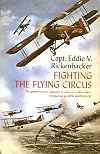
Captain Eddie Rickenbacker was one of the most famous and accomplished flying aces of World War I, and his adventures in the war were striking. As a record of those adventures, this ghost-written memoir suffers from repetitiveness, drawn as it is from Rickenbacker’s diary. It reports the daily flights, missions, and dogfights with clarity and some insight, but the overall sameness of each day, despite the life-and-death nature of those days, results in a reader having a hard time show more distinguishing one adventure from another. Some may also find dismaying the sense of sport in killing that is part of Rickenbacker’s rather joyous reportage. This is an interesting book, but primarily for the die-hard aviation combat aficionado. show less
Fighting the Flying Circus: The Greatest True Air Adventure to Come out of World War I by Eddie Rickenbacker
Eddie Rickenbacker an amazing pilot and a gifted story teller. His account as a member 94th Aero Squadron reads like a well written story rather than a dry history. He brings all aspects of the air war into play: the good and the bad.
The 94th started with members of the somewhat illegal Lafayette Escadrille coming under American control as President Wilson threw his hat into the ring. The hat in the ring would become the painted symbol on the side of the 94ths aircraft. America unprepared show more for war and proud of its neutrality, had no planes to provide for its pilots. The 94th and other American squadrons had to rely on older French planes. France sold the US its previous generation of planes for American pilots to use. American squadrons took the these planes and excelled.
World War I was the point in history where America became a major player on the world stage. From being the new player who both France and England want to use as filler for their depleted armies, America walked away from the war respected and its soldiers and Marines decorated. It was a different time; a time when the world moved from the 19th century into the 20th (although few years late by the calendar) and set the stages for all the struggles of the 20th century.
Fighting the Flying Circus is an outstanding read for anyone interested in the air war or someone just looking for a great story of some truly brave men. As a former Marine, I am a bit hesitant to sing the praises of the other services, but these men had what it took and are an example to all that have served. show less
The 94th started with members of the somewhat illegal Lafayette Escadrille coming under American control as President Wilson threw his hat into the ring. The hat in the ring would become the painted symbol on the side of the 94ths aircraft. America unprepared show more for war and proud of its neutrality, had no planes to provide for its pilots. The 94th and other American squadrons had to rely on older French planes. France sold the US its previous generation of planes for American pilots to use. American squadrons took the these planes and excelled.
World War I was the point in history where America became a major player on the world stage. From being the new player who both France and England want to use as filler for their depleted armies, America walked away from the war respected and its soldiers and Marines decorated. It was a different time; a time when the world moved from the 19th century into the 20th (although few years late by the calendar) and set the stages for all the struggles of the 20th century.
Fighting the Flying Circus is an outstanding read for anyone interested in the air war or someone just looking for a great story of some truly brave men. As a former Marine, I am a bit hesitant to sing the praises of the other services, but these men had what it took and are an example to all that have served. show less
Awards

You May Also Like


Associated Authors
Statistics
- Works
- 12
- Also by
- 6
- Members
- 753
- Popularity
- #33,775
- Rating
- 3.7
- Reviews
- 19
- ISBNs
- 33
- Languages
- 1
- Favorited
- 1

