
Jean-Pierre Gibrat
Author of Le Sursis, tome 1
About the Author
Image credit: Originally uploaded by paulstalder, from Wikipedia
Series
Works by Jean-Pierre Gibrat
Associated Works
Tagged
Common Knowledge
- Legal name
- Gibrat, Jean-Pierre
- Birthdate
- 1954-04-14
- Gender
- male
- Nationality
- France
- Birthplace
- Paris, France
- Map Location
- France
Members
Reviews
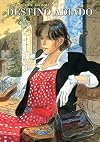
This graphic novel takes place during the German occupation of France in World War II. Julien, the protagonist, observes life in Cambeyrac from behind the half-closed blinds of his hiding place, without imagining that he might never be able to escape his fate.
At the end of June 1943, Julien enters through the window of Aunt Angèle's house, while the train he should have been on, heading for Germany, is bombed by the Allies. His wallet is found in the pocket of one of the victims. Julien show more will then have to attend his funeral from behind the half-closed shutters of the house of Mr Thomassin, his primary school teacher, deported for being a Communist and a Jew. It is there, in his new hiding place, in a privileged location, that he will spend his days observing life outside, but above all Cécile.
In the dramatic context of World War II, Gibrat offers us unforgettable characters, breath-taking landscapes, and a realistic chronicle of the daily lives of the inhabitants of a small French village, faced with the fear, anxiety and tragedy generated by the German occupation. Julien witnesses everything from afar, including the conflict between local resisters and the militia, and invites the reader to accompany him on his voyeuristic adventures and daring nocturnal forays through fields and empty streets. Can he come back to life, in the truest sense of the word, or will he be forever a ghost, slowly fading from the memory of his friends and acquaintances? show less
At the end of June 1943, Julien enters through the window of Aunt Angèle's house, while the train he should have been on, heading for Germany, is bombed by the Allies. His wallet is found in the pocket of one of the victims. Julien show more will then have to attend his funeral from behind the half-closed shutters of the house of Mr Thomassin, his primary school teacher, deported for being a Communist and a Jew. It is there, in his new hiding place, in a privileged location, that he will spend his days observing life outside, but above all Cécile.
In the dramatic context of World War II, Gibrat offers us unforgettable characters, breath-taking landscapes, and a realistic chronicle of the daily lives of the inhabitants of a small French village, faced with the fear, anxiety and tragedy generated by the German occupation. Julien witnesses everything from afar, including the conflict between local resisters and the militia, and invites the reader to accompany him on his voyeuristic adventures and daring nocturnal forays through fields and empty streets. Can he come back to life, in the truest sense of the word, or will he be forever a ghost, slowly fading from the memory of his friends and acquaintances? show less

The art in this deserves at least two more stars...but my ambivalence about the protagonist, especially in light of the awesome characters surrounding him, left me feeling less impressed with the book than I wanted to be.
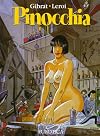
A full-color adult graphic novel.
Like Milo Manara's "Gullivera" (female Gulliver) and Eric Maltaite's "Robinsonia" (female Robinson Crusoe; a rather good book, that I haven't been able to acquire yet), Pinocchia is an erotic tale based on an earlier story (Pinocchio, the wooden boy).
Galipettois an old man living alone in the deep woods when he is inspired to make a wooden female. Luckily for him, Galipettois a first-class carpenter that makes his living carving toys. Using a tree that show more collapsed into his shack, Galipetto creates a wooden woman. After he is finished, he takes the little wooden woman for a test drive, and unknown to him, this causes the woman to come alive. Galipetto learns about this amazing transformation when Pinocchia, nude but for shoes and an apron, brings Galipetto breakfast and asks if he is her papa.
Some local police stop by and ask if anything is damaged after the storm, to find a nearly nude woman rushing from the back room, and hugging her "papa." The police take them to jail.
While in jail, Pinocchia, nude but for a mutating coat (one minute a green coat, the next a green dress), ends up going down on one of the men there in jail. As the police do not have anything on Pinocchia, they release her, but keep Galipetto in jail. So, the barely clothed woman wanders down the street and is picked up by a man in a car.
The man takes her to a party, where a woman helps Pinocchia change clothes (and who ends up fondling Pinocchia). While the women are otherwise occupied, two men peer into the room, and eventually lead Pinocchia away from the party and, at the first opportunity, prostitute her. The rascals run off with Pinocchia's pay, and without leaving her any money to pay the hotel bill. While Pinocchia begins to "pay" for the room with her mouth, the hotel owner's wife runs in and spanks Pinocchia with a wooden object. Pinocchia flees the hotel.
In the meantime, Galipetto is released and he wanders along in his night clothes, attempting to return home. Along the way he ends up at the same house Pinocchia wandered up to and entered after she fled the angry wife. While his creation is screwing around with a man up on the second floor, Galipetto is offered the position of gardener. The gardener was just fired and thrown off the premises for sleeping with the maid.
Running away from an attempted forced and unwanted bath, Galipetto runs across his Pinocchia, who has reverted to wooden status. Galipetto "revives" her, is caught . . . and the tail continues its twists and turns for another 25 pages (and in those 25 pages? visit to a circus, underwater brothel on a submarine . . .).
In the Pinocchio story, there was a certain punishment rendered upon him when he lied (his nose grew). Well, in this case, when Pinocchia lies, her breasts grow (and she doesn't lie, apparently, until after page 35; though, at one point she purposely lies to save herself in the water, and ends up with massive breasts).
Overall, a very good little graphic novel, with great artwork and a good pace. The book includes a small amount of bondage, a small amount of whipping, and a certain amount of public nudity . . .The kind of book that leads one to want to read more by these authors, but unfortunately, I haven't found anything else by them. show less
Like Milo Manara's "Gullivera" (female Gulliver) and Eric Maltaite's "Robinsonia" (female Robinson Crusoe; a rather good book, that I haven't been able to acquire yet), Pinocchia is an erotic tale based on an earlier story (Pinocchio, the wooden boy).
Galipettois an old man living alone in the deep woods when he is inspired to make a wooden female. Luckily for him, Galipettois a first-class carpenter that makes his living carving toys. Using a tree that show more collapsed into his shack, Galipetto creates a wooden woman. After he is finished, he takes the little wooden woman for a test drive, and unknown to him, this causes the woman to come alive. Galipetto learns about this amazing transformation when Pinocchia, nude but for shoes and an apron, brings Galipetto breakfast and asks if he is her papa.
Some local police stop by and ask if anything is damaged after the storm, to find a nearly nude woman rushing from the back room, and hugging her "papa." The police take them to jail.
While in jail, Pinocchia, nude but for a mutating coat (one minute a green coat, the next a green dress), ends up going down on one of the men there in jail. As the police do not have anything on Pinocchia, they release her, but keep Galipetto in jail. So, the barely clothed woman wanders down the street and is picked up by a man in a car.
The man takes her to a party, where a woman helps Pinocchia change clothes (and who ends up fondling Pinocchia). While the women are otherwise occupied, two men peer into the room, and eventually lead Pinocchia away from the party and, at the first opportunity, prostitute her. The rascals run off with Pinocchia's pay, and without leaving her any money to pay the hotel bill. While Pinocchia begins to "pay" for the room with her mouth, the hotel owner's wife runs in and spanks Pinocchia with a wooden object. Pinocchia flees the hotel.
In the meantime, Galipetto is released and he wanders along in his night clothes, attempting to return home. Along the way he ends up at the same house Pinocchia wandered up to and entered after she fled the angry wife. While his creation is screwing around with a man up on the second floor, Galipetto is offered the position of gardener. The gardener was just fired and thrown off the premises for sleeping with the maid.
Running away from an attempted forced and unwanted bath, Galipetto runs across his Pinocchia, who has reverted to wooden status. Galipetto "revives" her, is caught . . . and the tail continues its twists and turns for another 25 pages (and in those 25 pages? visit to a circus, underwater brothel on a submarine . . .).
In the Pinocchio story, there was a certain punishment rendered upon him when he lied (his nose grew). Well, in this case, when Pinocchia lies, her breasts grow (and she doesn't lie, apparently, until after page 35; though, at one point she purposely lies to save herself in the water, and ends up with massive breasts).
Overall, a very good little graphic novel, with great artwork and a good pace. The book includes a small amount of bondage, a small amount of whipping, and a certain amount of public nudity . . .The kind of book that leads one to want to read more by these authors, but unfortunately, I haven't found anything else by them. show less

Jeanne sidder i en fængselscelle og grubler over, hvad der mon er sket. Hun er blevet angivet for sortbørshandel og spærret inde af det franske politi, men problemet er, at ransagningen også har afsløret våben, som tilhører hendes modstandsgruppe. Spørgsmålene er mange: hvem har angivet hende, og hvordan får hun advaret de andre medlemmer, bl.a. hendes egen søster, om den overhængende fare?
Efter en enkel nat i cellen får hun selskab af Francois, der (endnu) ikke har noget show more politisk engagement. Han er ganske enkelt en tyv, der bedriver sin metier i de skygger og sprækker, som besættelsen har skabt. Under en luftalarm lykkes det dem at stikke af hen over de parisiske tage, og de finder skjul på en flodpram, som Francois venner, René og Huguette, godmodigt bestyrer – når de da ikke lige krydrer ægteskabet med skænderier om alt mellem himmel og jord.
Her kan Jeanne holde sig skjult og prøve at redde trådene ud omkring søsteren og angiveriet. Flere gange er Gestapo på nippet til at få fingrene i hende, men hun undslipper, og Francois begynder at vise interesse for både hende og sagen. Det hele kompliceres af, at flodprammen får opgaver for tyskerne og bliver udstyret med en tysk vagt.
Hvordan det hele udspiller sig, skal ikke røbes her, men fortællingen vinder ved, at historien er voldsom men ikke så blodig, som den kunne være. På den måde skildrer Gibrat et Frankrig, der er dybt mærket af krigen og den tyske besættelse, men hvor konfrontationerne er skjult under en overflade af hverdagsliv. Men det er også en verden, hvor konflikterne hele tiden skærpes, og hvor det næsten er uundgåeligt, at modstanden bliver styrket og flere mennesker trækkes med ind i den.
Tegningerne er flotte og realistiske, og man lever med, at Gibrat ved slutningen af bind 2 har slidt Jeannes ansigt op, for billedsiden hensætter i den grad læseren til 1940’ernes Paris. Det er en stil, der omhyggeligt balancerer krigens truende brutalitet med en lidt romantiserende forestilling om fortiden.
Kragens flugt er måske ikke det værk, der én gang for alle ændrer vores opfattelse af det besatte Frankrig. Markante brudlinjer i samfundet er nedtonet eller ikke omtalt – Vichy-regimet og den franske deltagelse i jødeforfølgelserne f.eks. – men den tegner et fint portræt af nogle interessante mennesker og et hjørne af samfundet, hvor kampen for at holde sammen på hverdagen fylder lige så meget som kampen mod besættelsen. show less
Efter en enkel nat i cellen får hun selskab af Francois, der (endnu) ikke har noget show more politisk engagement. Han er ganske enkelt en tyv, der bedriver sin metier i de skygger og sprækker, som besættelsen har skabt. Under en luftalarm lykkes det dem at stikke af hen over de parisiske tage, og de finder skjul på en flodpram, som Francois venner, René og Huguette, godmodigt bestyrer – når de da ikke lige krydrer ægteskabet med skænderier om alt mellem himmel og jord.
Her kan Jeanne holde sig skjult og prøve at redde trådene ud omkring søsteren og angiveriet. Flere gange er Gestapo på nippet til at få fingrene i hende, men hun undslipper, og Francois begynder at vise interesse for både hende og sagen. Det hele kompliceres af, at flodprammen får opgaver for tyskerne og bliver udstyret med en tysk vagt.
Hvordan det hele udspiller sig, skal ikke røbes her, men fortællingen vinder ved, at historien er voldsom men ikke så blodig, som den kunne være. På den måde skildrer Gibrat et Frankrig, der er dybt mærket af krigen og den tyske besættelse, men hvor konfrontationerne er skjult under en overflade af hverdagsliv. Men det er også en verden, hvor konflikterne hele tiden skærpes, og hvor det næsten er uundgåeligt, at modstanden bliver styrket og flere mennesker trækkes med ind i den.
Tegningerne er flotte og realistiske, og man lever med, at Gibrat ved slutningen af bind 2 har slidt Jeannes ansigt op, for billedsiden hensætter i den grad læseren til 1940’ernes Paris. Det er en stil, der omhyggeligt balancerer krigens truende brutalitet med en lidt romantiserende forestilling om fortiden.
Kragens flugt er måske ikke det værk, der én gang for alle ændrer vores opfattelse af det besatte Frankrig. Markante brudlinjer i samfundet er nedtonet eller ikke omtalt – Vichy-regimet og den franske deltagelse i jødeforfølgelserne f.eks. – men den tegner et fint portræt af nogle interessante mennesker og et hjørne af samfundet, hvor kampen for at holde sammen på hverdagen fylder lige så meget som kampen mod besættelsen. show less
Lists
Pipoca & Nanquim (1)
Awards


You May Also Like


Associated Authors
Statistics
- Works
- 34
- Also by
- 4
- Members
- 943
- Popularity
- #27,255
- Rating
- 3.9
- Reviews
- 18
- ISBNs
- 126
- Languages
- 11
- Favorited
- 1