
Lea Goldberg (1911–1970)
Author of Room for Rent
About the Author
A Lithuanian-born poet and critic, Goldberg arrived in Tel Aviv in 1935. Shortly afterward, she published her first volume of poetry with the assistance of Abraham Shlonsky, her mentor, and the mentor of a circle of other modernist authors. A prolific writer, Goldberg primarily wrote poetry, but show more she also wrote several children's works, translated European classics into Hebrew, and was the author of a novel and a play. Her approach to writing was universal and only after the Holocaust did she write from within a Jewish framework. (Bowker Author Biography) show less
Series
Works by Lea Goldberg
Miracles and Wonders 7 copies
מר גזמאי הבדאי 6 copies
מה עושות האילות : שירים לילדים 6 copies
מכתבים מנסיעה מדומה 5 copies
מר גזמאי הבדאי 4 copies
Mar guzmai ha-badai מר גוזמאי הבדאי 4 copies
וכלם חברים : חמישה ספורים 4 copies
Shirim 2: 'Al ha-periha, Barak ba-boker, Milim aharonot על הפריחה, ברק בבוקר, מילים אחרונות 3 copies
Shirim 3: 'Im ha-layla ha-zeh, Shirim she-lo kunsu ba-sefarim עם הלילה הזה, שירים שלא כונסו (1996) 3 copies
הדראמה של התודעה : פרקי דוסטויבסקי 3 copies
Urban Poem [Shir, ʻir : tseror shirim genuzim me-et Leʾah Goldberg le-ḥitukhe ʻets Frants Mazerel] (2012) 3 copies
וזה המעשה באוקאסן וניקולט 3 copies
שירים - א 3 copies
מוקדם ומאוחר : מבחר שירים 2 copies
והוא האור : רומן 2 copies
מנפלאות גן החיות 2 copies
מסעות מור החמור 2 copies
הילד הרע 2 copies
המפזר מכפר אזר 2 copies
אבדות 2 copies
גן הכוכבים 2 copies
Eli Lives in Israel 1 copy
פרוזה 1 copy
וזה המעשה באוקסן וניקולט 1 copy
מעשה בציר 1 copy
חמשה פרקים ביסודות השירה 1 copy
מוקדם ומאוחר 1 copy
בארץ סין 1 copy
המפוזר מכפר אז"ר עפ"י מהרשק 1 copy
בואו עננים 1 copy
Aleh shel zahav עלה של זהב 1 copy
ha-Bevar ha-aliz הביבר העליז 1 copy
צריף קטן 1 copy
שר הילדים 1 copy
Ha' Yeled Ha' Ray 1 copy
והוא האור : רומאן 1 copy
Mukdam U-Miuchar 1 copy
פילי פילים 1 copy
לוח האוהבים, מניסן עד ניסן 1 copy
ברוזים 1 copy
דב-דבוני בן דבים מצחצח נעלים 1 copy
בארץ אהבתי : מבחר שירי אהבה 1 copy
ד׳רה להשכ׳ר 1 copy
כתבים 1 copy
מר גוזמאי הבדאי 1 copy
שבלת ירקת העין 1 copy
שרות לאה גולדברג 1 copy
אהבת שמשון : מחרזת שירים 1 copy
מבחר שירים 1 copy
ברק בבקר : שירים 1 copy
עם הלילה הזה 1 copy
שדה 1 copy
Bo'u 'ananim בואו עננים 1 copy
גן הכוכבים 1 copy
וכלם חבוימ 1 copy
פזמון ליקינטון 1 copy
המפזר מכפר אז"ר 1 copy
Light on the rim of a cloud; 1 copy
כובע קסמים 1 copy
דירה להשכיר 1 copy
שרות 1 copy
Eyah Pluto (Where's Pluto?) 1 copy
Gedichten 1 copy
מי בביתן? 1 copy
Bloei 1 copy
המפוזר מכפר אז"ר 1 copy
בארץ סין 1 copy
Shamgar ha-nagar שמגר הנגר 1 copy
דני והתוכי 1 copy
מעשה בשלושה אגוזים 1 copy
Yoman sifruti: mivḥar reshimot ʻitonut 1928-1941 יומן ספרותי: מבחר רשימות עיתונות כרך ראשון (2017) 1 copy
שלשה סיפורים 1 copy
ילקוט שירים 1 copy
Tserif katan צריף קטן 1 copy
Zuta זוטא 1 copy
זוטא 1 copy
Mahazot מחזות 1 copy
O apartamento para alugar 1 copy
Associated Works
The Defiant Muse: Hebrew Feminist Poems from Antiquity to the Present (1999) — Contributor — 54 copies
אנשים אוהבים לשיר אריק אינשטין בהופעה חיה מתוך המופע אנשים אוהבים לשיר — some editions — 1 copy
Tagged
Common Knowledge
- Canonical name
- Goldberg, Lea
- Other names
- Goldberg, Leʾah
Goldberg, Leah
לאה גולדברג - Birthdate
- 1911-05-29
- Date of death
- 1970-01-15
- Gender
- female
- Education
- University of Berlin
University of Bonn
University of Kovno - Occupations
- poet
playwright
translator
professor of literature
editor
children's book author (show all 9)
novelist
literary scholar
writer - Organizations
- Davar
Hebrew University of Jerusalem - Awards and honors
- Israel Prize (1970)
- Relationships
- Shlonsky, Avraham (mentor)
- Short biography
- Lea or Leah Goldberg was born in the German city of Königsberg (present-day Kaliningrad) to Jewish parents living in Kovno (now Kaunas), Lithuania. At the start of World War I, when she was three, they fled to Russia, where they spent a year under difficult conditions as refugees. When they tried to return to Lithuania in 1919, her father was accused by the Bolsheviks of being a spy and tortured. When he was released, his mental state was precarious. He eventually lost his ability to function normally and was hospitalized, then disappeared. Lea and her mother Tsila Goldberg became very close and lived together for the rest of their lives. Goldberg's parents spoke several European languages, and she learned these as well as Hebrew at a very young age. She began writing poetry at age 12. She graduated from the University of Kaunus, and received a PhD from the Universities of Berlin and Bonn in Semitic languages and German. In 1935, Lea emigrated with her mother to the British Mandate of Palestine. There she published her first poetry collection, Taba'ot Ashan (Smoke Rings), and joined a group of young modernist poets of Eastern-European origin known as Yachdav (Together). Goldberg wrote for and edited the Hebrew newspapers Davar and Al HaMishmar. She later worked as a literary adviser to Habimah, the Israeli national theater, and as an editor for the publishing company Sifriyat Ha-Poalim. She became an accomplished translator of the works of Tolstoy, Chekhov, Petrarch, Ibsen, and many others. She also wrote original works, including novels, reference books, and works for children. Some of her poems were adapted into popular songs. Her first novel, Vehu ha'or (And This Is the Light), which was strongly autobiographical, was published in 1946. Goldberg founded the Department of Comparative Literature at the Hebrew University of Jerusalem, where she was a lecturer and then a professor from 1955 to 1970. She was awarded the Israel Prize posthumously in 1970.
- Nationality
- Israel
Lithuania (birth) - Birthplace
- Konigsberg, East Prussia
- Places of residence
- Kaunas, Lithuania
Tel Aviv, Israel
Jerusalem, Israel - Place of death
- Jerusalem, Israel
- Associated Place (for map)
- Israel
Members
Reviews
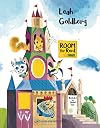
A house full of animals is looking for a new tenant for the top floor when Sir Reginald Mouse moves out. Each resident has something interesting about them that makes them unique-Cornish Hen (heavy and stout); Cuckoo Bird (children are scattered around; Cat (black and very clean); and the Squirrel (cracking nuts). Several possible tenants come to view the apartment but each find a reason not to rent it. Miss Ant thinks the Cornish Hen is too lazy. Mrs. Rabbit does not like the way the Cuckoo show more Bird abandoned her children. Snortimus Pig thinks the Cat is too black for him. The Nightingale doesn't like all the noise the Squirrel makes. Finally a Dove appears and sees past the "problems" and rents the room. The story is told in rhyme with a lot of words per page; however, if read correctly, I think even younger children could enjoy it. The book has the message of not judging so quickly based on one's looks, one's past, one's race, or one's lifestyle. The Dove doesn't judge and finds a happy home among the many animals. The message is subtle yet would make for a great discussion with kids. I highly recommend this book. show less
 This review was written for LibraryThing Early Reviewers.
A cute story about four animals looking for a fifth animal to share their building. Most of the prospective tenants are too picky, but the last one, a dove, says that she will feel right at home. The poetry felt a bit clunky, but may read better in Hebrew.
This review was written for LibraryThing Early Reviewers.It is a surprise that this title was not translated earlier. The story is fun and the translator deserves a lot of credit for establishing a lyrical pace that perfectly accompanies the colorful, playful illustrations. This is a great book to read aloud as it has a great rhythm and the pictures are big enough and defined enough to pop when showcasing to a larger audience.
This review was written for LibraryThing Early Reviewers.This delightful tale by Leah Goldberg was deftly translated into English by Jessica Setbon. Its lyrical, rhyming text pairs with the cheery illustrations by Shmuel Katz to enchant the reader or listener.
Room for Rent tells of four animals who live on the various floors of a house. When the top floor becomes available for a new tenant, the neighbors begin to encounter animals who are pleased with the space available but find fault in the other animals with whom they would have to share the show more space. Their hurtful critiques show they have formed judgements based on little experience with diverse animals.
That changes when the Dove arrives. She views the space and finds it underwhelming, but she is delighted with the potential new friends she sees in the other animals. After she takes up residence, the house rings with laughter.
"To find the treasure in another is a real gift." show less
Room for Rent tells of four animals who live on the various floors of a house. When the top floor becomes available for a new tenant, the neighbors begin to encounter animals who are pleased with the space available but find fault in the other animals with whom they would have to share the show more space. Their hurtful critiques show they have formed judgements based on little experience with diverse animals.
That changes when the Dove arrives. She views the space and finds it underwhelming, but she is delighted with the potential new friends she sees in the other animals. After she takes up residence, the house rings with laughter.
"To find the treasure in another is a real gift." show less
This review was written for LibraryThing Early Reviewers.Lists
Awards


You May Also Like


Associated Authors
Statistics
- Works
- 133
- Also by
- 3
- Members
- 361
- Popularity
- #66,479
- Rating
- 4.1
- Reviews
- 15
- ISBNs
- 39
- Languages
- 4
- Favorited
- 2
