
Elisabeth Freeman
Author of Head First Design Patterns
About the Author
Image credit: via O'Reilly
Works by Elisabeth Freeman
HTML5-Programmierung von Kopf bis Fuß: Webanwendungen mit HTML5 und JavaScript (2012) — Author — 4 copies
Associated Works
Tagged
Common Knowledge
- Other names
- Robson, Elisabeth
- Gender
- female
- Occupations
- Special Projects Director, O'Reilly
Members
Reviews
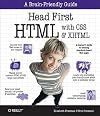
At first, I was a bit annoyed with the cutesy presentation (overuse of photos of cool people with thinking captions above their heads, the “There Are No Dumb Questions” section, etc.). However, after two or three chapters, I appreciated how clear and easy to understand the authors made this dry and tedious subject. I read this for a course where basic HTML knowledge was assumed, so our main focus was on CSS and XHTML. The online extras (links are found in the book) are invaluable! This show more is an excellent resource and I highly recommend it. show less
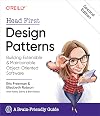
I bounced off Head First Java and decided the informal, jokey, playful HF approach didn't work for me; however, I gave it a second chance and purchased this book -- and wow, am I glad!
I have a work-based need to learn how to program in an object-oriented fashion (I've been pretty strictly a procedural Perl programmer for some years), and while I don't know that tackling design patterns is the typical first step for this, it's working well for me. I had two introductory programming courses show more in 2009-10 and the language of instruction was Java ... I've found it fairly easy to re-charge my Java background with this book, and move forward. Kudos! show less
I have a work-based need to learn how to program in an object-oriented fashion (I've been pretty strictly a procedural Perl programmer for some years), and while I don't know that tackling design patterns is the typical first step for this, it's working well for me. I had two introductory programming courses show more in 2009-10 and the language of instruction was Java ... I've found it fairly easy to re-charge my Java background with this book, and move forward. Kudos! show less
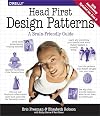
I think the best way to understand design patterns is to be familiar with them in the code. Sounds weird, isn't it? But that's has been the only thing which has worked for me. There are multiple patterns and many of them subtly different and when design patterns are taught using Java, the "tricks of sub-classing", "addition of layers" , "organizing code" and various permutations of it depending upon the need is what gives rise to so many different patterns. This book does a good job of show more helping you identify those. I personally think, it will be difficult for anyone to go use a pattern, just by reading this book. That skill may only come with experience and writing lot of software programs. This book will help in identifying the pattern, understanding why such a pattern was used and reason about them. Design Patterns are a subtle topic in software engineering, they should just be known and understood and I think, by looking at the code. This book servers as good guide giving points where to look and what to expect. show less
I was skeptical of the Head First series before I read this book due to its busy look and feel, but I was pleasantly surprised. It has made me feel comfortable with the most used design patterns in record time where other books failed. I highly recommend this book for helping you design better object-based systems. Be sure to implement the examples as you read for better understanding.
Awards
You May Also Like


Associated Authors
Statistics
- Works
- 5
- Also by
- 1
- Members
- 2,290
- Popularity
- #11,214
- Rating
- 4.2
- Reviews
- 30
- ISBNs
- 39
- Languages
- 5