
Kenneth Sewell
Author of Red Star Rogue
Works by Kenneth Sewell
All Hands Down: The True Story of the Soviet Attack on the USS Scorpion (2008) 105 copies, 5 reviews
Code Name Caesar: The Secret Hunt for U-Boat 864 During World War II (2012) — Author — 74 copies, 2 reviews
Tagged
Common Knowledge
Members
Reviews
Red star rogue : the untold story of a Soviet submarine's nuclear strike attempt on the U.S. by Kenneth Sewell
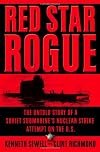
This book is a _lot_ of speculation. The author overtly states that yet for this first third or so of the book I was thinking two stars and regret. But, the details on the possibilities of the K-129 sinking and especially the US recovery efforts, first with USS Halibut (don't remember knowing of that one), then with Hughes and the Glomar (long interested in this one).
It is fascinating to learn of the permissive action link and how informal sharing of this preventative tech with the Soviets show more may have prevented a rogue nuclear attack on Pearl Harbor (Honolulu) by bad actors seeking trigger a China-US conflict. (I am paraphrasing a main theory presented here.)
Sonic monitoring in the Pacific Ocean of a capability unknown to the USSR captured three explosions which led to locating the sub and suggesting what happened.
The Cold War history here ties together the possible fate of the USS Scorpion (torpedoed in revenge?), the USS Pueblo
Among the mysteries explored here is
* the anonymous 11-man unit added last-minute to the boat,
* bodies crowded in one end more like confined than anything explained by the disaster itself
* Potential role of Stalinist instigator Mikhail Suslov and in general KGB hawks.
There is an interesting side story of an oceanographic research vessel out of Hawaii that discovered irradiated specialty diesel oil from the K-129 wreck. show less
It is fascinating to learn of the permissive action link and how informal sharing of this preventative tech with the Soviets show more may have prevented a rogue nuclear attack on Pearl Harbor (Honolulu) by bad actors seeking trigger a China-US conflict. (I am paraphrasing a main theory presented here.)
Sonic monitoring in the Pacific Ocean of a capability unknown to the USSR captured three explosions which led to locating the sub and suggesting what happened.
The Cold War history here ties together the possible fate of the USS Scorpion (torpedoed in revenge?), the USS Pueblo
Among the mysteries explored here is
* the anonymous 11-man unit added last-minute to the boat,
* bodies crowded in one end more like confined than anything explained by the disaster itself
* Potential role of Stalinist instigator Mikhail Suslov and in general KGB hawks.
There is an interesting side story of an oceanographic research vessel out of Hawaii that discovered irradiated specialty diesel oil from the K-129 wreck. show less
Detailed in research in taut in the telling, this is a breath-taking, further revelation of how close 1968 came to seeing The Cold War turn hot and nuclear.
Diesel-electric powered submarine of the Soviet Pacific Fleet, K-129 sank on 8 March 1968. It was one of four mysterious submarine disappearances in 1968; the others being the Israeli submarine INS Dakar, the French submarine Minerve (S647) and the US submarine USS Scorpion (SSN-589). This book is about how the Scorpion was lost on 22 show more May 1968, with 99 crewmen dying in the incident. We have since learned K-129 went rogue ( Red Star Rogue, by the same author ) and how close was that to nuclear conflict? At the time, the Soviets did not think it anything other than a loss to American aggress and begin to plot revenge. Part 1 was getting navy crypto gear and manuals off the USS Pueblo in an operation where Russia backed North Korea. Part 2 fell into the Soviet lap when spy John Walker as a walk part of his family spy ring provided them with the keylists and manuals to listen in crucial navy communications. This allowed them to be on top of the Scorpion and torpedo it.
One other thing that stuck out to me was how the bereaved families lost resources and roofs in how they were rather callously handled by the Navy once the sub was declared lost. show less
Diesel-electric powered submarine of the Soviet Pacific Fleet, K-129 sank on 8 March 1968. It was one of four mysterious submarine disappearances in 1968; the others being the Israeli submarine INS Dakar, the French submarine Minerve (S647) and the US submarine USS Scorpion (SSN-589). This book is about how the Scorpion was lost on 22 show more May 1968, with 99 crewmen dying in the incident. We have since learned K-129 went rogue ( Red Star Rogue, by the same author ) and how close was that to nuclear conflict? At the time, the Soviets did not think it anything other than a loss to American aggress and begin to plot revenge. Part 1 was getting navy crypto gear and manuals off the USS Pueblo in an operation where Russia backed North Korea. Part 2 fell into the Soviet lap when spy John Walker as a walk part of his family spy ring provided them with the keylists and manuals to listen in crucial navy communications. This allowed them to be on top of the Scorpion and torpedo it.
One other thing that stuck out to me was how the bereaved families lost resources and roofs in how they were rather callously handled by the Navy once the sub was declared lost. show less
Red Star Rogue : The Untold Story of a Soviet Submarine's Nuclear Strike Attempt on the U.S. by Kenneth Sewell

This is a book to keep you awake nights! Very well written and researched, it is the story of a Soviet Submarine, K-19, that on the 7th of March, 1968, in waters by the Leeward Islands, approximately 360 miles from Honolulu, attempted to fire a nuclear missile on Pearl Harbor. Highly recommend.
Having recently been on a WWII kick, and becoming acquainted with this author on Facebook and Twitter, I had to read his book.
Although I am not an expert on WWII, I thought I had a rather complete knowledge of it. Each book I read about it shows me how much I don’t actually know. For instance, in reading this book I learned that the Germans had a submarine base in Norway, that the Norwegians were pretty pissed about it and did everything they could to help the Allies destroy it and the show more Germans were really bad at coming up with clever names for their bases.
The main focus of this book however is U-Boat 864 and its “secret cargo”, and the fact that the Allies knew about it, and knew it couldn’t reach Japan. When the bombing of the base didn’t destroy it, the Allies had to fall back and try something different. The British submarine HMS Venturer was sent to destroy the U-Boat. This is the only documented case of a submarine sinking another sub while both were underwater (Spoiler? Does anyone not know how WWII ended?).
Although a true account, free of any dramatization, this is a thrilling account. We learn some of the history of Norway and the occupation by the Germans. A little bit about bombing missions, why it is so dangerous for a sub to sink another sub while both are underwater, and why it had now developed into a controversial issue for the Norwegians.
I really enjoyed this book and recommend it. show less
Although I am not an expert on WWII, I thought I had a rather complete knowledge of it. Each book I read about it shows me how much I don’t actually know. For instance, in reading this book I learned that the Germans had a submarine base in Norway, that the Norwegians were pretty pissed about it and did everything they could to help the Allies destroy it and the show more Germans were really bad at coming up with clever names for their bases.
The main focus of this book however is U-Boat 864 and its “secret cargo”, and the fact that the Allies knew about it, and knew it couldn’t reach Japan. When the bombing of the base didn’t destroy it, the Allies had to fall back and try something different. The British submarine HMS Venturer was sent to destroy the U-Boat. This is the only documented case of a submarine sinking another sub while both were underwater (Spoiler? Does anyone not know how WWII ended?).
Although a true account, free of any dramatization, this is a thrilling account. We learn some of the history of Norway and the occupation by the Germans. A little bit about bombing missions, why it is so dangerous for a sub to sink another sub while both are underwater, and why it had now developed into a controversial issue for the Norwegians.
I really enjoyed this book and recommend it. show less
You May Also Like


Associated Authors
Statistics
- Works
- 4
- Members
- 491
- Popularity
- #50,319
- Rating
- 3.6
- Reviews
- 11
- ISBNs
- 42
- Languages
- 5