
Michael Harmon
Author of The Last Exit to Normal
Works by Michael Harmon
Brutal, Narrated By Kim Mai Guest, 5 Cds [Complete & Unabridged Audio Work] (2009) 2 copies, 1 review
Tomb of Immolation 1 copy
Associated Works
Tagged
Common Knowledge
- Birthdate
- 1969
- Gender
- male
- Places of residence
- Spokane, Washington, USA
Los Angeles, California, USA - Associated Place (for map)
- USA
Members
Reviews
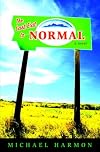
Three years ago, Ben Campbell’s was as normal as could be. Then his dad suddenly announced he was gay. Now Ben has no mother, she walked out the door and never looked back. He’s doing every drug he can get his hands on. Then a year ago Ben cleaned himself up. For almost an entire year he hasn’t gotten into trouble, he’s done well in school, and he’s sort of civil with everyone. But then he goes and gets arrested and that’s that. His dad, and his “Momdad” Edward, take Ben and show more move him to the middle of nowhere, Rough Butte, Montana, population 400, to live with Edward’s mother Miss Mae.
So now, at the age of 17, Ben finds himself starting over all over again. Now the city boy has to learn to live in the backward country of Montana, where everyone drives huge trucks, wear Wrangler’s and Ropers, and works. Really works. But the hardest part is to come for now he has to deal with the creepy guy next door, big brother’s looking to scare the potential boyfriend away and a grandmother who isn’t afraid to whack him with a spoon at the first opportunity.
"The decoder card to the universe wasn’t included in the box of cereal God gave humanity. At the ripe old age of seventeen, I’d at least figured out that no matter how hard you try to guess what happens next, you can’t. Life wasn’t set up that way and we don’t like it, so we spend most of our time running around like a bunch of dimwits."
The best part of The Last Exit to Nowhere is Ben. Ben’s voice is spot on ‘teenager.’ He’s angry, sarcastic, challenging, very intelligent, honest, brash, stubborn, romantic, awkward, comical, depressed, and funny, and like most teenagers he shifts from one emotion to the next with surprising speed. Ben’s relationship with his dad was the best drawn plot of the book. It felt real and complex. The problems the two had, Ben accepting his father’s homosexuality, his father’s desire for that acceptance, but unwillingness to deal with it himself spoke true to me.
Harmon pulled no punches with this coming-of-age story. It actually left me in tears a couple of times. This story of a misfit boy who is struggling to fix all the lives around him while trying to figure out his own is powerful and a must read. Don’t miss it. show less
So now, at the age of 17, Ben finds himself starting over all over again. Now the city boy has to learn to live in the backward country of Montana, where everyone drives huge trucks, wear Wrangler’s and Ropers, and works. Really works. But the hardest part is to come for now he has to deal with the creepy guy next door, big brother’s looking to scare the potential boyfriend away and a grandmother who isn’t afraid to whack him with a spoon at the first opportunity.
"The decoder card to the universe wasn’t included in the box of cereal God gave humanity. At the ripe old age of seventeen, I’d at least figured out that no matter how hard you try to guess what happens next, you can’t. Life wasn’t set up that way and we don’t like it, so we spend most of our time running around like a bunch of dimwits."
The best part of The Last Exit to Nowhere is Ben. Ben’s voice is spot on ‘teenager.’ He’s angry, sarcastic, challenging, very intelligent, honest, brash, stubborn, romantic, awkward, comical, depressed, and funny, and like most teenagers he shifts from one emotion to the next with surprising speed. Ben’s relationship with his dad was the best drawn plot of the book. It felt real and complex. The problems the two had, Ben accepting his father’s homosexuality, his father’s desire for that acceptance, but unwillingness to deal with it himself spoke true to me.
Harmon pulled no punches with this coming-of-age story. It actually left me in tears a couple of times. This story of a misfit boy who is struggling to fix all the lives around him while trying to figure out his own is powerful and a must read. Don’t miss it. show less
It's been a really long time since I've either given up on a book or disliked it so much that I couldn't even hate-read it through to the end.
Ben is the protagonist who's father came home one day and announced he was gay. Mom walked out--which just effed up. Ben, having had his world fall apart, goes full-on delinquent, alcohol, drugs, general terrible behavior. After a while dad forced them into therapy, they have some breakthroughs. Things get a lot better, not perfect, but better. Ben show more cleans up his act and has even gotten used to his stepdad, whom he calls momdad, even if he doesn't love the situation. He has one slip-up and they decided it's a good idea to move a teenaged city boy to the middle of nowhere Montana.
So we're talking two gay men moving back to one's hometown--the town he moved away from for very good reason, and they bring their son/stepson with them. They move into his childhood home with his mother, who doesn't like that her son his gay, but he's still her son, so there's that.
Bonnie Mae, or Miss Mae, is old school country, respect is demanded, manners are insisted upon, no cussing or sarcasm, beatings and/or starvation as punishment. Yeah great idea for a smart-assed teenager with two dads.
This books is just a mess. Verbal threats, physical abuse, starvation, and forcing Ben to sleep in the woodshed. And this is all from Miss Mae. And dad just sits back and lets this woman do this to his child. Like, what?! I don't care what lame excuse you want to use, "they do things different," "she's from a different time," "we're guests in her home." I'll be damned if I let someone lay a hand on my child. You'd best not even discipline my child, especially if I'm close enough to be called to handle a situation.
Miss Mae is an asshole. Dad is an asshole. Ben is an asshole. The only one who's decent is Edward, who willingly came back to the town that tortured him throughout his childhood, just to help his partner's child stay on the straight and narrow. The neighbor is also an abusive, homophobic asshole, who beats the living daylights out of his son because Ben was talking to him, even after the boy told Ben to leave him alone, even after Ben told the man that he had approached the boy who didn't want to talk to him.
I didn't think I would finish it because I didn't even care if there was character growth or a redemption arc. But I toyed with the idea of slogging through it anyway. And then the little neighbor boy shot a stray cat just because. That's it. Just. Because.
I "noped" out of that book and cannot recommend anyone to read it. show less
Ben is the protagonist who's father came home one day and announced he was gay. Mom walked out--which just effed up. Ben, having had his world fall apart, goes full-on delinquent, alcohol, drugs, general terrible behavior. After a while dad forced them into therapy, they have some breakthroughs. Things get a lot better, not perfect, but better. Ben show more cleans up his act and has even gotten used to his stepdad, whom he calls momdad, even if he doesn't love the situation. He has one slip-up and they decided it's a good idea to move a teenaged city boy to the middle of nowhere Montana.
So we're talking two gay men moving back to one's hometown--the town he moved away from for very good reason, and they bring their son/stepson with them. They move into his childhood home with his mother, who doesn't like that her son his gay, but he's still her son, so there's that.
Bonnie Mae, or Miss Mae, is old school country, respect is demanded, manners are insisted upon, no cussing or sarcasm, beatings and/or starvation as punishment. Yeah great idea for a smart-assed teenager with two dads.
This books is just a mess. Verbal threats, physical abuse, starvation, and forcing Ben to sleep in the woodshed. And this is all from Miss Mae. And dad just sits back and lets this woman do this to his child. Like, what?! I don't care what lame excuse you want to use, "they do things different," "she's from a different time," "we're guests in her home." I'll be damned if I let someone lay a hand on my child. You'd best not even discipline my child, especially if I'm close enough to be called to handle a situation.
Miss Mae is an asshole. Dad is an asshole. Ben is an asshole. The only one who's decent is Edward, who willingly came back to the town that tortured him throughout his childhood, just to help his partner's child stay on the straight and narrow. The neighbor is also an abusive, homophobic asshole, who beats the living daylights out of his son because Ben was talking to him, even after the boy told Ben to leave him alone, even after Ben told the man that he had approached the boy who didn't want to talk to him.
I didn't think I would finish it because I didn't even care if there was character growth or a redemption arc. But I toyed with the idea of slogging through it anyway. And then the little neighbor boy shot a stray cat just because. That's it. Just. Because.
I "noped" out of that book and cannot recommend anyone to read it. show less
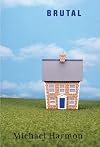
Brutal came at a great time in my reading life - Poe was like the literary Veronica Mars minus the mystery, but with that same sort of sass. I always had a soft spot for the rebels with a cause, and high school is always full of surprises and drama that somehow never gets too old. Occasionally Poe goes a little overboard in her rampage, pushing away her well-meaning but spineless father, the cute rebel boy, the spoiled but nice-on-the-inside cheerleader, and everyone else on the planet. No show more one told her that a little sugary compromise can go a long way in trying to win people over to her cause.
I was pleasantly surprised with Brutal. The humor was spot-on, and I laughed at some of the causes Poe chose to highlight such as the gym uniform policy. Everyone in the book - at least, those close to Poe - had great page time, and they had several likable qualities that softened the hard shell known as Poe.
Last but not least, I cannot fail to mention the quirky nod to the cheese-lovers with names such as Velveeta and Colby. Is there any symbolism if Colby was the bully and Velveeta the victim? Or how about Velveeta winning in the end? Definitely some things to think about...
And, when I start talking about cheese, that is a sure sign that this review is at a close. show less
I was pleasantly surprised with Brutal. The humor was spot-on, and I laughed at some of the causes Poe chose to highlight such as the gym uniform policy. Everyone in the book - at least, those close to Poe - had great page time, and they had several likable qualities that softened the hard shell known as Poe.
Last but not least, I cannot fail to mention the quirky nod to the cheese-lovers with names such as Velveeta and Colby. Is there any symbolism if Colby was the bully and Velveeta the victim? Or how about Velveeta winning in the end? Definitely some things to think about...
And, when I start talking about cheese, that is a sure sign that this review is at a close. show less
Plot: A few years ago Logan’s father came out of the closet and it blew their family apart. Logan’s mother took off and Logan had to live with the embarrassment of having a gay dad. So he starts acting out, getting in trouble. Logan is now 17 and his dad, at a loss moves them all to his boyfriend’s tiny, rural hometown. Logan’s dad hopes to straighten him out but Logan is more worried about the neighbor’s kid. His mother has also run off and Logan suspects that he is being show more abused.
This book disappointed me a bit. The plot and the writing was fine (an easy read even for reluctant readers) but I picked up some messages that I found distinctly disturbing.
For one, Logan calls his father some pretty nasty things (fag among them) and is not very accepting of the fact that he is gay. I could accept this in the name of realism. Would your average teenage boy be cool with his dad being gay? No. And having worked with teens, I know they can swing around offensive terms quite casually. The problem is rather how this is dealt with in the narrative. Logan’s dad is selfish and oversensitive for being offended by Logan’s comments and his boyfriend Edward (who Logan refers to as his “Momdad” which is strange too) is cool because he understands that Logan “doesn’t really mean anything by it”. Really? Is this the message we want to be giving teens?
And for a book that claims that beating a child is abuse, it seems to show that it is a quite effective way of straightening (no pun intended) a boy out. While Logan worries about the neighbor’s boy getting beaten and locked up, Edward’s mother beats him with spoons, makes him sleep in the shed, and generally brow beats him. And while he grumbles, it works. He turns almost instantly into a polite, hardworking boy who feels quite a bit of affection for the gruff old lady. He doesn’t listen to or respect his father who is repeatedly referred to as effeminate who worries too much and tries solve problems by talking. Really, all that Logan needed was to be beaten by an old lady with a spoon.
I wasn’t expecting an easy book with easy answers to living in what can be a difficult situation but this book, frankly, bothered me. show less
This book disappointed me a bit. The plot and the writing was fine (an easy read even for reluctant readers) but I picked up some messages that I found distinctly disturbing.
For one, Logan calls his father some pretty nasty things (fag among them) and is not very accepting of the fact that he is gay. I could accept this in the name of realism. Would your average teenage boy be cool with his dad being gay? No. And having worked with teens, I know they can swing around offensive terms quite casually. The problem is rather how this is dealt with in the narrative. Logan’s dad is selfish and oversensitive for being offended by Logan’s comments and his boyfriend Edward (who Logan refers to as his “Momdad” which is strange too) is cool because he understands that Logan “doesn’t really mean anything by it”. Really? Is this the message we want to be giving teens?
And for a book that claims that beating a child is abuse, it seems to show that it is a quite effective way of straightening (no pun intended) a boy out. While Logan worries about the neighbor’s boy getting beaten and locked up, Edward’s mother beats him with spoons, makes him sleep in the shed, and generally brow beats him. And while he grumbles, it works. He turns almost instantly into a polite, hardworking boy who feels quite a bit of affection for the gruff old lady. He doesn’t listen to or respect his father who is repeatedly referred to as effeminate who worries too much and tries solve problems by talking. Really, all that Logan needed was to be beaten by an old lady with a spoon.
I wasn’t expecting an easy book with easy answers to living in what can be a difficult situation but this book, frankly, bothered me. show less
Lists
Awards


You May Also Like


Associated Authors
Statistics
- Works
- 9
- Also by
- 1
- Members
- 720
- Popularity
- #35,253
- Rating
- 3.9
- Reviews
- 40
- ISBNs
- 31
- Languages
- 1
- Favorited
- 1