
Ann Bannon
Author of Odd Girl Out
About the Author
Image credit: Photo by Kel Munger
Series
Works by Ann Bannon
Bebo Brinker: Volume II 1 copy
Associated Works
All I Did Was Ask: Conversations with Writers, Actors, Musicians, and Artists (2004) — Contributor — 603 copies, 13 reviews
Lesbian Pulp Fiction: The Sexually Intrepid World of Lesbian Paperback Novels 1950-1965 (2005) — Contributor — 189 copies, 3 reviews
Strange Sisters: The Art of Lesbian Pulp Fiction 1949-1969 (1999) — Foreword, some editions — 163 copies, 1 review
Before Stonewall: The Making of a Gay and Lesbian Community [1984 film] (1984) — Self — 54 copies, 2 reviews
Through the Hourglass: Lesbian Historical Romance (A Lizzie's Bedtime Stories Anthology) (Volume 2) (2015) — Contributor — 8 copies
Tagged
Common Knowledge
- Other names
- Weldy, Ann
- Birthdate
- 1932-09-15
- Gender
- female
- Education
- University of Illinois, Urbana-Champaign (BA|French, 1954)
Sacramento State University (MA)
Stanford University (PhD|Linguistics) - Occupations
- novelist
professor - Nationality
- USA
- Birthplace
- Joliet, Illinois, USA
- Places of residence
- Sacramento, California, USA
Joliet, Illinois, USA (birth) - Associated Place (for map)
- USA
Members
Reviews
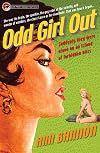
My first foray into the world of lesbian pulp fiction is an interesting and unexpected experience. With expectations set aside for the sake of amusement alone, it's a surprise to find something insightful and satisfying in Odd Girl Out's pages. How the first words that often trail the phrase "pulp fiction" are "perverse" and "smut" make most people stay away from the genre. But the only perversity found in Odd Girl Out is the insistence of men almost without consent (a hand creeping up your show more thighs with no warning) and the consistent disregard of a character towards another's feelings. Set and published in the 1950s, this is a piece of lesbian history in its own right; lesbianism is believed to be a mental illness by some of the characters if not an ordinary fad most women should grow out of.
Odd Girl Out is the story of college freshie Laura Landon who is instantly enamoured by a senior in her sorority. What is initially and supposedly just a strong girl crush develops into an intense infatuation. But no affection is strengthened without being fed of its hunger. And so ensue the maddening push-and-pull of such forbidden and confusing feelings on both sides. Certainty can't blend with ambivalence; and when commitment is a game for one but a future for another, it obviously spells heartbreak. Yet no character here is completely vilified and there is more or less a reason, be it personal trauma or upbringing (this doesn’t necessarily excuse anyone but rather a chance for understanding their actions), for their motivations; for their selfishness and anger. And whilst the struggle with sexual orientation and first love against someone's experimentation is delineated in a grey area and not in black-and-whites—what a relief that is—it's quite an observation to read the descriptive sexual parts between men and women compared to the restrained and even enigmatic parts between two women. Perhaps this is a cautious reflection of the author's experience in itself who wrote this whilst she was still married, raising two children, and was questioning her own sexuality. She isn't called the "Queen of Lesbian Pulp Fiction" for nothing.
This novel is not written for pleasures of men nor for tragedies, it presents homosexuality in a positive light hence defying the common lesbian tropes and beliefs at the time. And what makes it an absolute outlier is its non-tragic ending (see also: Highsmith's classic The Price of Salt). Bannon's prose is straightforward and simple but she does a fine job of communicating her characters’ emotions if not for some dangling, sudden subplots and awkwardly worded phrases here and there. A necessary read for those interested with the history of lesbianism in literature. show less
Odd Girl Out is the story of college freshie Laura Landon who is instantly enamoured by a senior in her sorority. What is initially and supposedly just a strong girl crush develops into an intense infatuation. But no affection is strengthened without being fed of its hunger. And so ensue the maddening push-and-pull of such forbidden and confusing feelings on both sides. Certainty can't blend with ambivalence; and when commitment is a game for one but a future for another, it obviously spells heartbreak. Yet no character here is completely vilified and there is more or less a reason, be it personal trauma or upbringing (this doesn’t necessarily excuse anyone but rather a chance for understanding their actions), for their motivations; for their selfishness and anger. And whilst the struggle with sexual orientation and first love against someone's experimentation is delineated in a grey area and not in black-and-whites—what a relief that is—it's quite an observation to read the descriptive sexual parts between men and women compared to the restrained and even enigmatic parts between two women. Perhaps this is a cautious reflection of the author's experience in itself who wrote this whilst she was still married, raising two children, and was questioning her own sexuality. She isn't called the "Queen of Lesbian Pulp Fiction" for nothing.
This novel is not written for pleasures of men nor for tragedies, it presents homosexuality in a positive light hence defying the common lesbian tropes and beliefs at the time. And what makes it an absolute outlier is its non-tragic ending (see also: Highsmith's classic The Price of Salt). Bannon's prose is straightforward and simple but she does a fine job of communicating her characters’ emotions if not for some dangling, sudden subplots and awkwardly worded phrases here and there. A necessary read for those interested with the history of lesbianism in literature. show less
Siempre me asombro cuando termino un libro muy rápido.
Vamos por el comienzo, este libro me dejó con grandes sentimientos encontrados, para empezar quiero agradecer al Moicy que hizo llegar a mi las portadas de estos libros, para empezar no tiene nada que ver el contenido con la portada y solo puedo imaginar a la gente pajera comprando esto esperando encontrar altas escenas sexuales cuando esto no tiene ni una gota de tinta rosa intenso.
La crítica principal la quiero dar con una frase de show more Laura hacia Beth: "En esa vida que te espera hay un hombre, unos hijos y un título universitario". Eso me llevó directo a los inicios de mi adolescencia y a lo mucho que repetian esa frase en nuestros oídos porque claro, eso era lo politicamente correcto. Laura es todo lo que define mis temores, al comienzo sientes que das riendas suelta a la pasión y te dejas llevar con simples palabras lindas olvidando la realidad y lo malo que es el sentir amor por alguien de tu mismo sexo, el prejuicio, los valores y así un montón de cosas que el amor te hacen olvidar. No asimismo pasa con Beth, que es todo aquello que uno espera, pero que la perfección no puede ser encontrada en ninguna parte. Me sentí como Laura, me enamoré de Beth y de su encanto en particular, pero así como Laura sufrió a mares, Beth también me partió el corazón, supongo que siempre tendremos una Beth en nuestras vidas y claro, critico mucho el cliche de que la pareja de lesbianas no se puede quedar junta. Es cierto que actualmente el tema no da para pensar en fatalidades y aquí quiero aplaudir a Ann Bannon por atreverse a intentar caminar en un camino diferente, se fue en contra todas las fatalidades de sus colegas (que acaban con muertes o el suicidio de alguna chica) y realiza una fuerte crítica al sistema, en este caso habla mucho del odio al sistema universitario, a los prejuicios y los conflictos que se podian cargar si las veían juntas y sobre todo, el sistema en como Beth hace creer a Laura que todo va bien cuando no es así. Más que una crítica al sistema propiamente tal, Bannon hace una crítica a su propio sistema y aquí agradezco enormemente la introducción del libro y Ann diciendo que no podía dar otro rumbo al libro o no la iban a publicar, que no podía normalizar estas cosas y vamos, la publicaron porque ella les dio en el gusto de darles el final triste, pero sin antes recalcarlos en la cara que se podía ser feliz sin un hombre y de esto ya se hablaba hace casi 40 años atrás.
Soy un Bicho Raro es eso, el sentirte como Laura extraña frente al amor, a la atracción por otra chica, a los mismos prejuicios de ser hija de una familia disfuncional, sentirte un bicho raro por no salir a fiesta o no hablar con hombres, sentirte raro por hacer lo que las demás no hacen. Sentirte raro por ser tú mismo y no asumirlo. Gracias Ann Bannon por escribir esto, creo que tengo ese agradecimiento que sentían las mujeres de familias conservadores que sentía algo de libertad en sus textos.
Capaz leo el resto de los libros sin antes seguir mentalizada a lo que la editorial le pedía y lo enojada que me pondré cuando lea que nada puede resultar de la mejor manera, pero la perdono.
Gracias a mi polola que me consiguió el libro. show less
Vamos por el comienzo, este libro me dejó con grandes sentimientos encontrados, para empezar quiero agradecer al Moicy que hizo llegar a mi las portadas de estos libros, para empezar no tiene nada que ver el contenido con la portada y solo puedo imaginar a la gente pajera comprando esto esperando encontrar altas escenas sexuales cuando esto no tiene ni una gota de tinta rosa intenso.
La crítica principal la quiero dar con una frase de show more Laura hacia Beth: "En esa vida que te espera hay un hombre, unos hijos y un título universitario". Eso me llevó directo a los inicios de mi adolescencia y a lo mucho que repetian esa frase en nuestros oídos porque claro, eso era lo politicamente correcto. Laura es todo lo que define mis temores, al comienzo sientes que das riendas suelta a la pasión y te dejas llevar con simples palabras lindas olvidando la realidad y lo malo que es el sentir amor por alguien de tu mismo sexo, el prejuicio, los valores y así un montón de cosas que el amor te hacen olvidar. No asimismo pasa con Beth, que es todo aquello que uno espera, pero que la perfección no puede ser encontrada en ninguna parte. Me sentí como Laura, me enamoré de Beth y de su encanto en particular, pero así como Laura sufrió a mares, Beth también me partió el corazón, supongo que siempre tendremos una Beth en nuestras vidas y claro, critico mucho el cliche de que la pareja de lesbianas no se puede quedar junta. Es cierto que actualmente el tema no da para pensar en fatalidades y aquí quiero aplaudir a Ann Bannon por atreverse a intentar caminar en un camino diferente, se fue en contra todas las fatalidades de sus colegas (que acaban con muertes o el suicidio de alguna chica) y realiza una fuerte crítica al sistema, en este caso habla mucho del odio al sistema universitario, a los prejuicios y los conflictos que se podian cargar si las veían juntas y sobre todo, el sistema en como Beth hace creer a Laura que todo va bien cuando no es así. Más que una crítica al sistema propiamente tal, Bannon hace una crítica a su propio sistema y aquí agradezco enormemente la introducción del libro y Ann diciendo que no podía dar otro rumbo al libro o no la iban a publicar, que no podía normalizar estas cosas y vamos, la publicaron porque ella les dio en el gusto de darles el final triste, pero sin antes recalcarlos en la cara que se podía ser feliz sin un hombre y de esto ya se hablaba hace casi 40 años atrás.
Soy un Bicho Raro es eso, el sentirte como Laura extraña frente al amor, a la atracción por otra chica, a los mismos prejuicios de ser hija de una familia disfuncional, sentirte un bicho raro por no salir a fiesta o no hablar con hombres, sentirte raro por hacer lo que las demás no hacen. Sentirte raro por ser tú mismo y no asumirlo. Gracias Ann Bannon por escribir esto, creo que tengo ese agradecimiento que sentían las mujeres de familias conservadores que sentía algo de libertad en sus textos.
Capaz leo el resto de los libros sin antes seguir mentalizada a lo que la editorial le pedía y lo enojada que me pondré cuando lea que nada puede resultar de la mejor manera, pero la perdono.
Gracias a mi polola que me consiguió el libro. show less
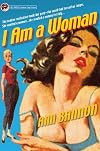
I found three of the Bannon novels next to one another on the "new" shelf at the library and snapped them up. Was that unfair? Perhaps, but I'll try to return them quickly.
I wasn't expecting much from Beebo Brinker before I read it, which contributed to how much I enjoyed it. I was trying to keep my expectations low for this as well (because---shockingly---I am totally fascinated with Beebo and I knew she was a more minor character), and was again surprised.
Sam keeps making fun of me for show more reading pulps, and I keep telling her that she needs to read them so she can at least understand exactly what she's mocking. I don't even know what I like about them, exactly. They make no bones about being trashy; they have an aura of cheapness and they are rushed and convenient and ridiculous in places. And yet I get very involved with the characters and completely wrapped up in their world.
I was kind of surprised by the heavy-duty issues (apart from homosexuality, of course) that got brought up.
The characters' attitude toward sex is surprisingly up to date, but their attitudes toward many other things are not. I think that's another reason I like these books: they remind me how much I don't have to face in my daily life, and how much has changed in such a short time. (Would I work as an elevator operator just to be able to wear pants?) While I am becoming reasonably confident in dressing as I prefer for work, attitudes towards (and protections for) transgender people are still for the most part stuck in the fifties. Things are starting to change, but here's hoping it takes less time.
Ooh, ooh, and now I know why a butchy friend has a dachshund named Nix!! show less
I wasn't expecting much from Beebo Brinker before I read it, which contributed to how much I enjoyed it. I was trying to keep my expectations low for this as well (because---shockingly---I am totally fascinated with Beebo and I knew she was a more minor character), and was again surprised.
Sam keeps making fun of me for show more reading pulps, and I keep telling her that she needs to read them so she can at least understand exactly what she's mocking. I don't even know what I like about them, exactly. They make no bones about being trashy; they have an aura of cheapness and they are rushed and convenient and ridiculous in places. And yet I get very involved with the characters and completely wrapped up in their world.
I was kind of surprised by the heavy-duty issues (apart from homosexuality, of course) that got brought up.
The characters' attitude toward sex is surprisingly up to date, but their attitudes toward many other things are not. I think that's another reason I like these books: they remind me how much I don't have to face in my daily life, and how much has changed in such a short time. (Would I work as an elevator operator just to be able to wear pants?) While I am becoming reasonably confident in dressing as I prefer for work, attitudes towards (and protections for) transgender people are still for the most part stuck in the fifties. Things are starting to change, but here's hoping it takes less time.
Ooh, ooh, and now I know why a butchy friend has a dachshund named Nix!! show less
1959 was a hard time to be gay or lesbian, even in Greenwich Village where (apparently) a buck could buy you three drinks in a gay bar and leave you with enough change for a phone call!
Sweet young lesbian Laura Landon has run away from an overbearing father and is trying to make it on her own in the Big Apple. She falls in love with her straight roommate, becomes the obsession of a tough butch, and fails at her office job. Fortunately she has a great gay guy friend named Jack who is there show more for her when she needs it - and she needs it a lot.
Poor Laura whines a lot and she makes some bad choices. Sometimes you feel like slapping her until you remember that she's just twenty and from the Midwest and it's 1959: she's never listened to Lady Gaga or heard of Ellen or seen a "It Get's Better" video on YouTube. show less
Sweet young lesbian Laura Landon has run away from an overbearing father and is trying to make it on her own in the Big Apple. She falls in love with her straight roommate, becomes the obsession of a tough butch, and fails at her office job. Fortunately she has a great gay guy friend named Jack who is there show more for her when she needs it - and she needs it a lot.
Poor Laura whines a lot and she makes some bad choices. Sometimes you feel like slapping her until you remember that she's just twenty and from the Midwest and it's 1959: she's never listened to Lady Gaga or heard of Ellen or seen a "It Get's Better" video on YouTube. show less
Lists
Awards

You May Also Like


Associated Authors
Statistics
- Works
- 10
- Also by
- 7
- Members
- 1,895
- Popularity
- #13,580
- Rating
- 3.5
- Reviews
- 31
- ISBNs
- 45
- Languages
- 4
- Favorited
- 5