
Theresa Cheung
Author of The Element Encyclopedia of Birthdays
About the Author
Theresa Cheung has a Masters from King's College, Cambridge, and has spent 20 years writing bestselling spiritual books. Krysia Newman, an intuitive energy practitioner and healer, runs the prestigious Inspiral spiritual events group. Alexandra Wenman is a spiritual awakener, a channel, an author show more and the founder of Precious Wisdom Alchemy. show less
Image credit: Photo courtesy of Hay House, Inc.
Works by Theresa Cheung
The Element Encyclopedia of 20,000 Dreams: The Ultimate A-Z to Interpret the Secrets of Your Dreams (2006) 201 copies, 2 reviews
Element Encyclopedia Of Ghosts And Hauntings: The Ultimate A-Z Of Spirits, Mysteries & the Paranormal (2006) 177 copies, 2 reviews
Element Encyclopedia of the Psychic World: The Ultimate A-Z of Spirits, Mysteries and the Paranormal (2006) 169 copies
The PCOS Diet Book: How You Can Use the Nutritional Approach to Deal with Polycystic Ovary Syndrome (2002) — Author — 77 copies, 1 review
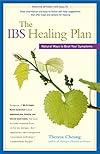
The IBS Healing Plan: Natural Ways to Beat Your Symptoms (Positive Options) (2007) 22 copies, 9 reviews
The Premonition Code: The Science of Precognition, How Sensing the Future Can Change Your Life (2018) 19 copies, 1 review
How to See Your Angels: A Guide to Attracting Heavenly Beings That Heal, Help and Inspire (2010) 14 copies
The Encyclopedia of Birthdays [Revised edition]: Know Your Birthday. Discover Your True Personality. Reveal Your Destiny. (2020) 13 copies
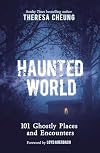
Haunted World: 101 Ghostly Places and Encounters (with a foreword by Loyd Auerbach) (2024) 12 copies, 1 review
21 Rituals to Change Your Life: Daily Practices to Bring Greater Inner Peace and Happines (2017) 12 copies, 1 review
Dream Decoder: 60 Cards to Unlock your Unconscious (Interpret Archetypal Symbols from your Dreams) (2019) 11 copies
The Moon Fix: Harness Lunar Power for Healing and Happiness (Volume 3) (Fix Series, 3) (2020) 9 copies
Answers from Heaven: Incredible True Stories of Heavenly Encounters and the Afterlife (2017) 8 copies
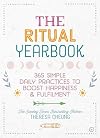
The Ritual Yearbook: 365 Simple Daily Practices to Boost Happiness & Fulfilment (2019) 6 copies, 2 reviews
Runes for Modern Life: Ancient Divination Cards for Today's Dilemmas (Magma for Laurence King) (2020) 3 copies
Cope with Your Biological Clock: How to Make the Right Decision About Motherhood (Help Yourself) (2001) 3 copies
The Dream Dictionary from A to Z [Revised edition]: The Ultimate A–Z to Interpret the Secrets of Your Dreams (2019) 2 copies
Anioł na moim ramieniu 1 copy
The All-Natural Menopause Diet: The Drug-Free, Natural Way to Beat Your Symptoms and Lose Weight (2008) 1 copy
Tagged
Common Knowledge
- Legal name
- Francis-Cheung, Theresa
- Other names
- Cheung, Theresa
- Birthdate
- 1965-08-04
- Gender
- female
- Education
- University of Cambridge (King's College) (M.A.) (Theology and English)
- Occupations
- writer
- Short biography
- Theresa Cheung was born into a family of psychics and astrologers. She gave her first public psychic reading at the age of 14 and has been involved in the serious study of the psychic world ever since. In addition to being a tarot reader, she has lectured and organised workshops on numerology, tarot, dreams and other aspects of the psychic world. Theresa has contributed to women's magazines such as Red, She and Here's Health as well as MBS magazines such as Fate and Fortune. She is the author of over 25 health, popular psychology and new age books including 'The Element Encyclopedia of 20,000 Dreams', 'Amazing You: Dreams' (Hodder) and 'Teen Psychics' (Adams Media).
- Nationality
- UK
- Places of residence
- London, England, UK
- Associated Place (for map)
- England, UK
Members
Reviews
Haunted World: 101 Ghostly Places and Encounters (with a foreword by Loyd Auerbach) by Theresa Cheung
“Decades ago, when I first moved to London – rich in youth and a sense of adventure but poor in cash and a sense of direction.”
We’re getting into October. The days are getting colder and shorter. And soon, we’ll enter the spooky season and get the Halloween candy out. And just a note – for all the supermarkets selling Christmas decorations and advent calendars before Halloween is over – shame on you!
I have always been intrigued and curious about things we can’t explain. And show more of course, all things paranormal naturally intrigue me. I love reading about it and having discussions.
“Haunted World” is separated into a few different parts, each part deep diving into many stories and examples. I enjoyed the introduction. It gives an explanation on all things paranormal. After life, do ghosts exist, paranormal possibilities, signs of haunting. I love how open the book is. If you are a sceptic or a non-believer, it’s not designed to change your mind. It’s just a summary of events noted through history, and you can make your own opinions about them. I think it’s the perfect book for people that are not too into the paranormal, but just curious about all things spooky.
The residual ghostly places section was my least favourite. Even though I liked reading about these stories, they were too vague and didn’t satisfy my curiosity. Many of them were quite short and generic, and could be repetitive. Then the poltergeist stories started, and things became quite interesting. My favourite parts were the inhuman and intelligent stories. When I read the story about the Fox sisters, I knew I had read about this before. And I remembered I read a fiction book about it a few years ago called “We Played With Fire”. That was a wonderful moment for me.
As a whole, I enjoyed this book and I think it adds a good spooky sparkle during October. Some of the stories are hit and miss, but one thing I know for certain is that this is one of those books that you can keep coming to every year during the spooky season, and it will always deliver.
Wishlist | Blog | Facebook | Twitter | Instagram | Ko-fi show less
We’re getting into October. The days are getting colder and shorter. And soon, we’ll enter the spooky season and get the Halloween candy out. And just a note – for all the supermarkets selling Christmas decorations and advent calendars before Halloween is over – shame on you!
I have always been intrigued and curious about things we can’t explain. And show more of course, all things paranormal naturally intrigue me. I love reading about it and having discussions.
“Haunted World” is separated into a few different parts, each part deep diving into many stories and examples. I enjoyed the introduction. It gives an explanation on all things paranormal. After life, do ghosts exist, paranormal possibilities, signs of haunting. I love how open the book is. If you are a sceptic or a non-believer, it’s not designed to change your mind. It’s just a summary of events noted through history, and you can make your own opinions about them. I think it’s the perfect book for people that are not too into the paranormal, but just curious about all things spooky.
The residual ghostly places section was my least favourite. Even though I liked reading about these stories, they were too vague and didn’t satisfy my curiosity. Many of them were quite short and generic, and could be repetitive. Then the poltergeist stories started, and things became quite interesting. My favourite parts were the inhuman and intelligent stories. When I read the story about the Fox sisters, I knew I had read about this before. And I remembered I read a fiction book about it a few years ago called “We Played With Fire”. That was a wonderful moment for me.
As a whole, I enjoyed this book and I think it adds a good spooky sparkle during October. Some of the stories are hit and miss, but one thing I know for certain is that this is one of those books that you can keep coming to every year during the spooky season, and it will always deliver.
Wishlist | Blog | Facebook | Twitter | Instagram | Ko-fi show less
Listen to your gut!
(Full disclosure: I received a free copy of this book for review through Library Thing's Early Reviewer program.)
About two years ago, I started to experience some of the classic symptoms of IBS. It began with some minor abdominal bloating, which I initially mistook for weight gain. Gradually the bloating worsened, until my midsection was at time so distended that I looked pregnant. After roughly six months of intermittent bloating came the constipation, which sent me on a show more weeklong binge of fiber and internet research. A week later, I was fairly certain that I was suffering from IBS. Rather than visit the doctor (who, I was certain, would just advise me to eat more fiber), I resolved to work up a treatment plan and try to tackle the issue on my own.
A year later, and I am mostly IBS-free. Though I occasionally experience minor bloating, it’s nowhere near as bad as it used to be (instead of feeling seven months pregnant, now it’s more like three). Some of the bloating is no doubt due to my diet: as a vegan, I don’t eat any animal products whatsoever (no meat, dairy, eggs, honey, gelatin, etc.). As a result, I get most of my protein through beans and processed soy foods (i.e., faux meat products such as Tofurky and Boca Burgers). This can be problematic, as such foods can cause gas, yet I can’t abstain from them given my other, more pressing, dietary restrictions. Even so, I’ve managed to minimize the impact of IBS on my overall health and well-being.
Since IBS research is still in its infancy – and my plan can always stand to be tweaked - I’m always on the lookout for new ideas and information. Thus, when I saw that Library Thing was offering up Theresa Cheung’s THE IBS HEALING PLAN: NATURAL WAYS TO BEAT YOUR SYMPTOMS via their Early Reviewer program, I jumped at the chance to read an advance copy.
Overall, THE IBS TREATMENT PLAN is a short but useful guide to managing your IBS symptoms. Cheung begins with a brief description of IBS, and then spends much of the rest of the book outlining various types of treatments. She covers all the bases, including food and diet; vitamins and supplements; stress and stress management; exercise and fitness, with a focus on yoga; prescription medications; and alternative therapies such as massage, aromatherapy, reflexology, acupuncture/acupressure, and heat therapy.
While researching my own treatment plan, I combed through the internet and took copious notes on possible home remedies I might try. Some of these worked (e.g., fiber supplements, dietary fiber, probiotics), some didn’t (calcium, magnesium, digestive enzymes), and others provided only temporary relief (Digestive Advantage IBS, charcoal pills, yoga, plum juice). Cheung discusses just about every remedy I’ve tried (or thought about trying). I also found some new advice that I can’t wait to try out, such as fennel seeds for bloating.
Her list is comprehensive, though it might be a bit too comprehensive: while I’m all in favor of giving IBS sufferers all the info they need to tailor their own unique treatment plan – after all, IBS symptoms and remedies are as varied as those who suffer from IBS – not all remedies are created equal. For example, fiber is a necessary component of a healthy diet whether you suffer from IBS or not; thus, the first factor an IBS sufferer should examine is her fiber intake. The benefits of grapefruit seed, on the other hand, are a bit more questionable.
To her credit, Cheung is quick to provide caveats for the more “fringe” remedies. In many cases, she’ll offer a brief summary of the research on these non-traditional remedies, or preface the discussion with a non-committal “People think…” or “It is suspected…” And yet, by placing all these remedies on equal footing, I’m afraid that she might give readers the impression that all are equally valid and effective. Furthermore, she rarely cites any research for the more tried and true IBS remedies, which only confuses the issue and makes the less-proven remedies seem superior to the more widely accepted (and researched) ones. This might have been avoided by presenting the remedies in a ranked list (by efficacy or abundance of supporting evidence, for example), rather than alphabetical order, or perhaps by including a brief summary of relevant research for each and every remedy, instead of just the questionable ones.
Even so, I don’t fault Cheung for including the non-traditional remedies. Most of these seem to be somewhat useful, though not necessarily for their stated reasons. For example, I have no doubt that acupressure can be of use to some IBS suffers – but not because it helps your energy flow properly through your Qi’s. More likely, the massage simply feels good and helps to ease stress. So although I think Cheung does a disservice by not scrutinizing some of the New Age pseudoscientific treatments she describes, it’s not to the book’s detriment. However, the one sole exception is her discussion of homeopathy, which is utter nonsense and should not have been included in THE IBS HEALING PLAN.
Homeopathy follows the same general principle as vaccinations. Vaccinations consist of live but weakened or dead/inactivated forms of pathogens, designed to introduce the pathogens to the body in a harmless (or less harmful) form and allow the body to build resistance (immunity) to the pathogens. Similarly, homeopathic practitioners claim that they can heal disorders by prescribing substances that will produce symptoms similar to that of the disorder. The main problem with homeopathy is that homeopathic remedies undergo “serial dilution” – the “healing” substance is diluted (with water, sugar, or alcohol) to such a degree that homeopathic medicines don’t contain a single atom of the healing material. For instance, a homeopathic substance that carries the “2C dilution” designation contains one part of the original solution to ten thousand parts of diluent. A common dilution is 30C, but 200C is not unheard of. According to the warped logic of proponents of homeopathy, the higher the dilution, the more powerful the remedy – even though the higher you go, the less “healing material” is present in the solution. It’s pure nonsense, and the only mention it deserves in self-help health book such as this is a sound debunking. You’d be better off donating the cost of such quackery to a non-profit organization and basking in the warm, stress-reducing altruistic afterglow.
Aside from this relative dearth of scientific skepticism, which actually only minimally affects the book’s usefulness, my only other quibble is with the lack of attention Cheung gives to those with special dietary restrictions, specifically vegetarianism and veganism. And this isn’t only because I happen to be a vegan! Rather, a veg*n diet can both exacerbate and alleviate IBS symptoms: while some veg*n foods can cause gas and bloating, a meat- and dairy-free diet is sometimes helpful in the treatment of IBS. Red meat, dark poultry meat and poultry skins, egg yolks, butter, and dairy products of all stripes can trigger IBS symptoms - as can some of the common staples of a veg*n diet. Thus, a more in-depth discussion of a meat- and dairy-free – but IBS-friendly – diet would have been welcome. All in all, Cheung only devotes two paragraphs to vegetarianism, and misses some real opportunities to single out veg*n alternatives to non-veg*n foods. Soy yogurt is one example: Cheung points to yogurt as a dietary source of probiotics on three separate occasions, but only mentions soy yogurt as an IBS-friendly option twice. The third time (which is actually the first), she laments the fact that (dairy) yogurt is high in fat and to be avoided, without pointing to soy yogurt as a healthy choice. It’s almost as though she only discovered soy yogurt halfway through the book and didn’t bother revising what she’d already written!
Overall, I recommend using THE IBS HEALING PLAN as a jumping off point for further research. Cheung has compiled a comprehensive introduction to the many IBS remedies available, ranging from clinically tested prescription medicines to downright frauds. Most fall somewhere in between, and it’s up to consumers to do their own research and experimentation and devise a treatment plan that suits their individual needs. THE IBS HEALING PLAN is a good start. But be skeptical, and above all else, listen to your gut!
http://www.easyvegan.info/2008/02/25/listen-to-your-gut-vegn-yet-another-book-re... show less
(Full disclosure: I received a free copy of this book for review through Library Thing's Early Reviewer program.)
About two years ago, I started to experience some of the classic symptoms of IBS. It began with some minor abdominal bloating, which I initially mistook for weight gain. Gradually the bloating worsened, until my midsection was at time so distended that I looked pregnant. After roughly six months of intermittent bloating came the constipation, which sent me on a show more weeklong binge of fiber and internet research. A week later, I was fairly certain that I was suffering from IBS. Rather than visit the doctor (who, I was certain, would just advise me to eat more fiber), I resolved to work up a treatment plan and try to tackle the issue on my own.
A year later, and I am mostly IBS-free. Though I occasionally experience minor bloating, it’s nowhere near as bad as it used to be (instead of feeling seven months pregnant, now it’s more like three). Some of the bloating is no doubt due to my diet: as a vegan, I don’t eat any animal products whatsoever (no meat, dairy, eggs, honey, gelatin, etc.). As a result, I get most of my protein through beans and processed soy foods (i.e., faux meat products such as Tofurky and Boca Burgers). This can be problematic, as such foods can cause gas, yet I can’t abstain from them given my other, more pressing, dietary restrictions. Even so, I’ve managed to minimize the impact of IBS on my overall health and well-being.
Since IBS research is still in its infancy – and my plan can always stand to be tweaked - I’m always on the lookout for new ideas and information. Thus, when I saw that Library Thing was offering up Theresa Cheung’s THE IBS HEALING PLAN: NATURAL WAYS TO BEAT YOUR SYMPTOMS via their Early Reviewer program, I jumped at the chance to read an advance copy.
Overall, THE IBS TREATMENT PLAN is a short but useful guide to managing your IBS symptoms. Cheung begins with a brief description of IBS, and then spends much of the rest of the book outlining various types of treatments. She covers all the bases, including food and diet; vitamins and supplements; stress and stress management; exercise and fitness, with a focus on yoga; prescription medications; and alternative therapies such as massage, aromatherapy, reflexology, acupuncture/acupressure, and heat therapy.
While researching my own treatment plan, I combed through the internet and took copious notes on possible home remedies I might try. Some of these worked (e.g., fiber supplements, dietary fiber, probiotics), some didn’t (calcium, magnesium, digestive enzymes), and others provided only temporary relief (Digestive Advantage IBS, charcoal pills, yoga, plum juice). Cheung discusses just about every remedy I’ve tried (or thought about trying). I also found some new advice that I can’t wait to try out, such as fennel seeds for bloating.
Her list is comprehensive, though it might be a bit too comprehensive: while I’m all in favor of giving IBS sufferers all the info they need to tailor their own unique treatment plan – after all, IBS symptoms and remedies are as varied as those who suffer from IBS – not all remedies are created equal. For example, fiber is a necessary component of a healthy diet whether you suffer from IBS or not; thus, the first factor an IBS sufferer should examine is her fiber intake. The benefits of grapefruit seed, on the other hand, are a bit more questionable.
To her credit, Cheung is quick to provide caveats for the more “fringe” remedies. In many cases, she’ll offer a brief summary of the research on these non-traditional remedies, or preface the discussion with a non-committal “People think…” or “It is suspected…” And yet, by placing all these remedies on equal footing, I’m afraid that she might give readers the impression that all are equally valid and effective. Furthermore, she rarely cites any research for the more tried and true IBS remedies, which only confuses the issue and makes the less-proven remedies seem superior to the more widely accepted (and researched) ones. This might have been avoided by presenting the remedies in a ranked list (by efficacy or abundance of supporting evidence, for example), rather than alphabetical order, or perhaps by including a brief summary of relevant research for each and every remedy, instead of just the questionable ones.
Even so, I don’t fault Cheung for including the non-traditional remedies. Most of these seem to be somewhat useful, though not necessarily for their stated reasons. For example, I have no doubt that acupressure can be of use to some IBS suffers – but not because it helps your energy flow properly through your Qi’s. More likely, the massage simply feels good and helps to ease stress. So although I think Cheung does a disservice by not scrutinizing some of the New Age pseudoscientific treatments she describes, it’s not to the book’s detriment. However, the one sole exception is her discussion of homeopathy, which is utter nonsense and should not have been included in THE IBS HEALING PLAN.
Homeopathy follows the same general principle as vaccinations. Vaccinations consist of live but weakened or dead/inactivated forms of pathogens, designed to introduce the pathogens to the body in a harmless (or less harmful) form and allow the body to build resistance (immunity) to the pathogens. Similarly, homeopathic practitioners claim that they can heal disorders by prescribing substances that will produce symptoms similar to that of the disorder. The main problem with homeopathy is that homeopathic remedies undergo “serial dilution” – the “healing” substance is diluted (with water, sugar, or alcohol) to such a degree that homeopathic medicines don’t contain a single atom of the healing material. For instance, a homeopathic substance that carries the “2C dilution” designation contains one part of the original solution to ten thousand parts of diluent. A common dilution is 30C, but 200C is not unheard of. According to the warped logic of proponents of homeopathy, the higher the dilution, the more powerful the remedy – even though the higher you go, the less “healing material” is present in the solution. It’s pure nonsense, and the only mention it deserves in self-help health book such as this is a sound debunking. You’d be better off donating the cost of such quackery to a non-profit organization and basking in the warm, stress-reducing altruistic afterglow.
Aside from this relative dearth of scientific skepticism, which actually only minimally affects the book’s usefulness, my only other quibble is with the lack of attention Cheung gives to those with special dietary restrictions, specifically vegetarianism and veganism. And this isn’t only because I happen to be a vegan! Rather, a veg*n diet can both exacerbate and alleviate IBS symptoms: while some veg*n foods can cause gas and bloating, a meat- and dairy-free diet is sometimes helpful in the treatment of IBS. Red meat, dark poultry meat and poultry skins, egg yolks, butter, and dairy products of all stripes can trigger IBS symptoms - as can some of the common staples of a veg*n diet. Thus, a more in-depth discussion of a meat- and dairy-free – but IBS-friendly – diet would have been welcome. All in all, Cheung only devotes two paragraphs to vegetarianism, and misses some real opportunities to single out veg*n alternatives to non-veg*n foods. Soy yogurt is one example: Cheung points to yogurt as a dietary source of probiotics on three separate occasions, but only mentions soy yogurt as an IBS-friendly option twice. The third time (which is actually the first), she laments the fact that (dairy) yogurt is high in fat and to be avoided, without pointing to soy yogurt as a healthy choice. It’s almost as though she only discovered soy yogurt halfway through the book and didn’t bother revising what she’d already written!
Overall, I recommend using THE IBS HEALING PLAN as a jumping off point for further research. Cheung has compiled a comprehensive introduction to the many IBS remedies available, ranging from clinically tested prescription medicines to downright frauds. Most fall somewhere in between, and it’s up to consumers to do their own research and experimentation and devise a treatment plan that suits their individual needs. THE IBS HEALING PLAN is a good start. But be skeptical, and above all else, listen to your gut!
http://www.easyvegan.info/2008/02/25/listen-to-your-gut-vegn-yet-another-book-re... show less
 This review was written for LibraryThing Early Reviewers.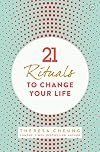
Now from a lot of the books I've read recently on improving my life, I've noticed that they suggest trying one new thing at a time. Theresa Cheung suggests doing all 21 of these at a time. And if you fail to do them for the 21 days straight you have to start again. I believe this is what is called setting someone up to fail.
Secondly; getting out of bed earlier isn't a ritual, nor is taking a selfie to me a ritual. These are just two of the HABITS she suggests trying, some are a bit more show more ritualistic but to me a ritual style bath, for example, involves laying out the soft robes for afterwards, selecting a candle and bath smells, picking the book(s) and drink and music and turning off notifications before slipping into the warm water and r e l a x. That's more of a ritual and what I kinda expected out of this book. How to make the experiences of your life more special.
I also spotted that one of the cititations was from the Daily Fail. Really?
It might suit someone looking to inject a little something more into their lives but, and it's a big but, I would do a few at a time, they're split into morning, evening and night and I'd pick one from each to try for 21 days and then maybe add more, but it's very prescriptive and not everyone functions the same. We are not all interchangeable and ritual should exhalt that not swallow it. show less
Secondly; getting out of bed earlier isn't a ritual, nor is taking a selfie to me a ritual. These are just two of the HABITS she suggests trying, some are a bit more show more ritualistic but to me a ritual style bath, for example, involves laying out the soft robes for afterwards, selecting a candle and bath smells, picking the book(s) and drink and music and turning off notifications before slipping into the warm water and r e l a x. That's more of a ritual and what I kinda expected out of this book. How to make the experiences of your life more special.
I also spotted that one of the cititations was from the Daily Fail. Really?
It might suit someone looking to inject a little something more into their lives but, and it's a big but, I would do a few at a time, they're split into morning, evening and night and I'd pick one from each to try for 21 days and then maybe add more, but it's very prescriptive and not everyone functions the same. We are not all interchangeable and ritual should exhalt that not swallow it. show less
3.5 stars
When I was younger I hated having a routine. Yet, as I got older and "adulting" became a thing and finding time to do everything in the day from all of my various "jobs"; wife, mother, teacher, and still find time for me I realized I need those routines in order to manage my time. It became a great stress reliever.
This book was a great example of simple everyday things to do in a busy life. Most of them were things that most people already know but they were gentle reminders of the show more whys of doing them and their importance in one's life. The educator in me really appreciated that the author in me included her references as a footnote at the end of each daily ritual in case I wanted to read more (which I did several times).
This would be a great book for someone just starting out in wanting to learn how to find balance and starting with the mind, body, spirit. For myself, as someone who is always trying to improve me, it was pretty basic. show less
When I was younger I hated having a routine. Yet, as I got older and "adulting" became a thing and finding time to do everything in the day from all of my various "jobs"; wife, mother, teacher, and still find time for me I realized I need those routines in order to manage my time. It became a great stress reliever.
This book was a great example of simple everyday things to do in a busy life. Most of them were things that most people already know but they were gentle reminders of the show more whys of doing them and their importance in one's life. The educator in me really appreciated that the author in me included her references as a footnote at the end of each daily ritual in case I wanted to read more (which I did several times).
This would be a great book for someone just starting out in wanting to learn how to find balance and starting with the mind, body, spirit. For myself, as someone who is always trying to improve me, it was pretty basic. show less
Lists
You May Also Like


Associated Authors
Statistics
- Works
- 85
- Members
- 1,730
- Popularity
- #14,857
- Rating
- 3.8
- Reviews
- 32
- ISBNs
- 181
- Languages
- 7
- Favorited
- 1
