
Craig Yoe
Author of Secret Identity: The Fetish Art of Superman's Co-creator Joe Shuster
About the Author
Image credit: Comics creator/historian Craig Yoe at the Meadowlands Exposition Center in Secaucus, New Jersey on April 16, 2016, Day 1 of the 2016 East Coast Comicon. By Luigi Novi, CC BY 3.0, https://commons.wikimedia.org/w/index.php?curid=48459670
Series
Works by Craig Yoe
The Art of Mickey Mouse: Artists Interpret The World's Favorite Mouse (Disney Miniature Series) (1991) — Editor; Contributor, some editions — 97 copies, 3 reviews
The Strange World of Your Dreams: Comics Meet Sigmund Freud and Salvador Dali (2013) 19 copies, 1 review
Haunted Horror: Comics Your Mother Warned You About!: (Volume 2) (Chilling Archives of Horror Comics!) (2014) 11 copies
The Best of Don Winslow of the Navy: A Collection of High-Seas Stories from Comics' Most Daring Sailor (2018) — Editor — 10 copies, 1 review
Haunted Horror: The Screaming Skulls! and Much More (Chilling Archives of Horror Comics) (2017) 9 copies
Haunted Horror Pre-Code Cover Coloring Book Volume 1 (Chilling Archives of Horror Comics) (2016) — Editor — 7 copies
Haunted Horror: Nightmare of Doom! And Much, Much More (Chilling Archives of Horror Comics) (2018) 7 copies
Free Comics: The Giveaways That Fought Commies, Sold Cars and Cigars, Showed How to Buy A TV And Avoid VD! (2020) 4 copies
The Wise Woman and Other Stories 2 copies
Haunted Horror 1 copy
Associated Works
Tagged
Common Knowledge
- Birthdate
- 1951-02-23
- Gender
- male
- Nationality
- USA
- Birthplace
- Des Moines, Iowa, USA
- Places of residence
- Akron, Ohio, USA
- Associated Place (for map)
- USA
Members
Reviews
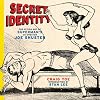
Those familiar with the history of comics -- and even many who are not -- will know the story of Joe and Jerry, two Jewish teenagers from Cleveland who created Superman and sold all rights to the future earnings of the Man of Steel in 1938 for the not so super sum of $130.
But no one knew until recent research by author Craig Yoe that Superman artist Joe Shuster drew the illustrations for an obscure series of sadomasochistic comics in the 1950s. Secret Identity: The Fetish Art of Superman show more Co-Creator Joe Shuster brings those drawings to light for the first time. These pornographic images are disturbing, showing characters that bear a striking resemblance to Superman, Lois Lane, Lex Luthor, and Jimmy Olsen whipping, torturing, and brutalizing each other. Sometimes the art is strong and sometimes slapdash, but even today when we are used to violent and overtly sexual images, they are still creepy.
Why did Joe do it? Yoe writes: “Other comic book artists were struggling, but finding work in advertising, education, and industry. Was creating pornography an act of financial desperation? Or was drawing characters who looked like their famous counterparts, only in compromising situations, an act of retribution? Or is it possible that there was something in Joe that enjoyed this type of fantasy material?” There are no answers to these questions. Readers must come to their own conclusions.
In Secret Identity Yoe also gives an account of the linking of comics to juvenile delinquency and the crusade against them lead by Fredric Wertham and others. That censorship battle is well covered in other books (Ten Cent Plague among them), but it takes on a new aspect combined with the illustrations of Shuster’s Nights of Horror.
This book is not for everyone. Some won’t want to see the drawings in any context, even an historical one. It’s your call whether you want to explore this dark side of Superman’s creator. show less
But no one knew until recent research by author Craig Yoe that Superman artist Joe Shuster drew the illustrations for an obscure series of sadomasochistic comics in the 1950s. Secret Identity: The Fetish Art of Superman show more Co-Creator Joe Shuster brings those drawings to light for the first time. These pornographic images are disturbing, showing characters that bear a striking resemblance to Superman, Lois Lane, Lex Luthor, and Jimmy Olsen whipping, torturing, and brutalizing each other. Sometimes the art is strong and sometimes slapdash, but even today when we are used to violent and overtly sexual images, they are still creepy.
Why did Joe do it? Yoe writes: “Other comic book artists were struggling, but finding work in advertising, education, and industry. Was creating pornography an act of financial desperation? Or was drawing characters who looked like their famous counterparts, only in compromising situations, an act of retribution? Or is it possible that there was something in Joe that enjoyed this type of fantasy material?” There are no answers to these questions. Readers must come to their own conclusions.
In Secret Identity Yoe also gives an account of the linking of comics to juvenile delinquency and the crusade against them lead by Fredric Wertham and others. That censorship battle is well covered in other books (Ten Cent Plague among them), but it takes on a new aspect combined with the illustrations of Shuster’s Nights of Horror.
This book is not for everyone. Some won’t want to see the drawings in any context, even an historical one. It’s your call whether you want to explore this dark side of Superman’s creator. show less
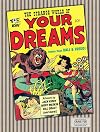
That this set of comic books ever existed is a strange and cool thing. Joe Simon and Jack Kirby were true comic book pioneers, and this is one of their experiments, not so commercially successful, but definitely fun to read.
The Strange World of Your Dreams appeared beginning in 1952 and was meant to appeal to adult readers. Adult readers presumably, were interested in self reflection and the examined life. The idea is that readers send accounts of their dreams to the fictitious dream show more analyst, Richard Temple. The publishers would choose dreams to include in the comic (and pay the readers $25 for submitting them, if chosen). With the artwork of Jack Kirby, the dreams would be set to comic format and analyzed by the Temple character.
It's all pretty entertaining. The dreams are anxiety-ridden. There are no dreams of magic castles, unicorns, and happily ever afters. It's monsters from the id right and left. Some reveal suppressed fears or memories, others are portents of the future. Great stuff.
The artwork is also great stuff -- the covers are beautiful works of imagination. And the whole thing is put in a book made to look like an old fashioned pillow. It's even padded for comfort.
I wish there had been more than 4 released issues of the comic, but, as the introduction says, sales were "disappointing."
The introduction contains some interesting history of the treatment of dreams in comic format before Simon and Kirby, including "Dreams of the Rarebit Fiend" from 1905 and "Little Nemo in Slumberland" in the New York Herald from 1909. It's all a testament to our fascination with our dreams, and our wonder about what to make of them. show less
The Strange World of Your Dreams appeared beginning in 1952 and was meant to appeal to adult readers. Adult readers presumably, were interested in self reflection and the examined life. The idea is that readers send accounts of their dreams to the fictitious dream show more analyst, Richard Temple. The publishers would choose dreams to include in the comic (and pay the readers $25 for submitting them, if chosen). With the artwork of Jack Kirby, the dreams would be set to comic format and analyzed by the Temple character.
It's all pretty entertaining. The dreams are anxiety-ridden. There are no dreams of magic castles, unicorns, and happily ever afters. It's monsters from the id right and left. Some reveal suppressed fears or memories, others are portents of the future. Great stuff.
The artwork is also great stuff -- the covers are beautiful works of imagination. And the whole thing is put in a book made to look like an old fashioned pillow. It's even padded for comfort.
I wish there had been more than 4 released issues of the comic, but, as the introduction says, sales were "disappointing."
The introduction contains some interesting history of the treatment of dreams in comic format before Simon and Kirby, including "Dreams of the Rarebit Fiend" from 1905 and "Little Nemo in Slumberland" in the New York Herald from 1909. It's all a testament to our fascination with our dreams, and our wonder about what to make of them. show less
The Best of Don Winslow of the Navy: A Collection of High-Seas Stories from Comics' Most Daring Sailor by Craig Yoe
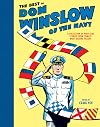
Created in 1934 as a recruiting device to make the US Navy appear attractive to adventure minded young men, Don Winslow appeared in newspaper strips, books, and even in a couple of movie serials as well as in comics. This collection presents a selection from his Fawcett Comics run between 1943 and 1948 at the height of his popularity. There are very much a product of their time and come across as repetitive, jingoistic, and embarrassingly sexist and racist from today’s perspective. Yet show more there is a certain charm to them. Winslow had hung up his cap by the mid-1950s and that’s where he probably belongs, making this an historical insight into a different era of heroes show less
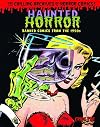
Voy a hablar de los cómic como una colección, hablar de cada uno de ellos implicaría que recordara el nombre de cada una y pues...son como 60 y lo leí en digital, no tome notas...digamos que me limite a disfrutarlo.
Estas historias son bastante buenas, no son obras maestras pero realmente son muuuuy entretenidas. Todos los cómics son creados en la década del 50 por lo que no son tan morbidos como las cosas que encontramos en la actualidad pero sí que se entiende porque lo fueron en su show more momento. Abarcamos temas que van desde un apocalipsis, y las decisiones de los sobrevivientes para continuar en ese estado, hasta personas obsesionadas con un bicho o mounstro que comienzan a tomar características de ellos. Para la mayoría de ellas encontramos que los protagonistas asesinan o son asesinados, son avaros, criminales y, aunque no explicitamente, algunas referencias sexuales.
Hubo algunas historias que de verdad iug! la imagen y lo narrado no hacia más que causarte desagrado en el buen sentido, es decir que no lograba hacer que soltaras el libro, sino que provocaba que entendieras porque el escandalo. Algunas historias incluso conjuntaban este sentimiento con cosas que se hacian graciosas. Pero no es un cómic que se lea rápido, en realidad no te mantiene con la ansiedad de leer el siguiente por que ninguna de las historias están conectadas entre sí, saltas entre distintos tópicos, formas de narrar y estilo de dibujo.
Sí buscas historias que te causem terror no lo encontraras, pero si buscas algo entretenido un poco cómico y grotesco es probable que te guste.
P.D. Tenemos al menos una historia de Jack Kirby show less
Estas historias son bastante buenas, no son obras maestras pero realmente son muuuuy entretenidas. Todos los cómics son creados en la década del 50 por lo que no son tan morbidos como las cosas que encontramos en la actualidad pero sí que se entiende porque lo fueron en su show more momento. Abarcamos temas que van desde un apocalipsis, y las decisiones de los sobrevivientes para continuar en ese estado, hasta personas obsesionadas con un bicho o mounstro que comienzan a tomar características de ellos. Para la mayoría de ellas encontramos que los protagonistas asesinan o son asesinados, son avaros, criminales y, aunque no explicitamente, algunas referencias sexuales.
Hubo algunas historias que de verdad iug! la imagen y lo narrado no hacia más que causarte desagrado en el buen sentido, es decir que no lograba hacer que soltaras el libro, sino que provocaba que entendieras porque el escandalo. Algunas historias incluso conjuntaban este sentimiento con cosas que se hacian graciosas. Pero no es un cómic que se lea rápido, en realidad no te mantiene con la ansiedad de leer el siguiente por que ninguna de las historias están conectadas entre sí, saltas entre distintos tópicos, formas de narrar y estilo de dibujo.
Sí buscas historias que te causem terror no lo encontraras, pero si buscas algo entretenido un poco cómico y grotesco es probable que te guste.
P.D. Tenemos al menos una historia de Jack Kirby show less
Lists
Bull Tongue (2)
Awards

You May Also Like


Associated Authors
Statistics
- Works
- 81
- Also by
- 9
- Members
- 1,350
- Popularity
- #19,055
- Rating
- 4.0
- Reviews
- 17
- ISBNs
- 100
- Languages
- 2