

Maoshing Ni
Author of Secrets of Longevity: Hundreds of Ways to Live to Be 100
About the Author
Works by Maoshing Ni
Secrets of Self-Healing: Harness Nature's Power to Heal Common Ailments, Boost Vitality, and Achieve Optimum Wellness (2008) 65 copies
Second Spring: Dr. Mao's Hundreds of Natural Secrets for Women to Revitalize and Regenerate at Any Age (2009) 32 copies
Secrets of Longevity: Dr. Mao's 8-Week Program: Simple steps That Add Years to Your Life (2010) 22 copies
Dr. Mao's Secrets of Longevity Cookbook: Eating for Health, Happiness, and Long Life (2013) 8 copies
Meditations to Live to Be 100: Traditional Chinese Practices for Health, Vitality and Longevity (2008) 3 copies
Tagged
Common Knowledge
Members
Reviews
The Yellow Emperor's Classic of Medicine: A New Translation of the Neijing Suwen with Commentary by Maoshing Ni
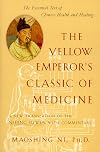
Written in the form of a discourse betwwen Huang Di and his ministers, The Yellow Emporer's Classic of Medicine contains a wealth of knowledge, including etiology, pysiology, diagnosis, therapy and prevention of disease, as well as an in depth investigation ofsuch diverse subjects as ethics, psycology and cosmology. All of these subjects are discussed in a holistic context that says life is not fragmented, as in the model provided by modern science, but rather that ll pieces make up a show more connected whole. By revealing the natural laws of the holistic universe, this book offers much practical advice on how to promote a long, happy an healthy life. show less

The Neijing is one of the most important classics of Taoism, as well as the highest authority on traditional Chinese medicine. Its authorship is attributed to the great Huang Di, the Yellow Emperor, who reigned during the third millennium BCE. This new translation consists of the eighty-one chapers of the section of the Neijing known as the Suwen, or 'Questions of Organic and Fundamental Nature.' (The other section, called the Lingshu, is a technical book on acupuncture and is not included show more here.)
Written in the form of a discourse between Huang Di and his ministers, The Yellow Emperor's Classic of Medicine contains a wealth of knowledge, including etiology, physiology, diagnosis, therapy, and prevention of disease, as well as an in-depth investigation of such diverse subjects as ethics, psychology, and cosmology. All of these subjects are discussed in a holistic context that says life is not fragmented, as in the model provided by modern science, but rather that all the pieces make up an interconnected whole. By revealing the natural laws of this holistic universe, the book offers much practical advice on how to promote a long, happy, and healthy life.
The original text of the Neijing presents broad concepts and is often brief with details. The translator's elucidations and interpretations, incorporated into the translation, help not only to clarify the meaning of the text but also to make it a highly readable narrative for students-as well as for everyone curious about the underlying principles of Chinese medicine.
Maoshing Ni, Ph.D., is a doctor of Oriental medicine and a licensed acupuncturist in Santa Monica, California. He is also the author of Chinese Herbology Made Eassy and The Tao of Nutrition.
Contents
Preface
A note on the translation
Acknowledgments
Pronunciation guide
1 The universal truth
2 The art of life through the four seasons
3 The union of heaven and human beings
4 The truth from the golden chamber
5 The manifestation of yin and yang from the macrocosm to the microcosm
6 The interplay of yin and yang
7 Furhter discourse on yin and yang
8 The sacred teachings
9 The energetic cycles of the universe and their effects on human beings
10 Dysfunction of the five zang viscera
11 Furhter discourse on the five zang viscera
12 Methods of treatment
13 Treatment of the mind and body
14 The art of medicine
15 Doctrines of the jade tablet
16 Diagnositc importance and discussion of the collapse of the meridians
17 The methods of pulse examination
18 Pulse analysis
19 Seasonal variations and abnormalities in pulses
20 Determining life and death
21 Meridian pathology and corresponding pulse signs
22 Seasonal organ pathology
23 Paradigm of the five elemental phases
24 Channel constituents and acupuncture techniques
25 The preservation of haelth
26 Acupuncture in accordance with cosmic cycles
27 Pathogens
28 The nature of excess and deficiency
29 Discourse on the taiyin and yangming channels
30 Disorders of the yangming channel
31 Discussion of febrile disease
32 Acupuncture in the treatment of febrile disease
33 A discourse on wen bing
34 Imbalances
35 Malaria-like illnesses
36 Acupuncture in the treatment of malaria
37 Pathological disorders of heat and cold
38 Etiology, diagnosis, and treatment of cough
39 Differentiation of pain
40 Conditions of the abdomen
41 Acupuncture in the treatment of back pain
42 The pathology of wind
43 The bi syndrome
44 Wei conditions
45 Jue conditions: The separation of yin and yang
46 Normal and abnormal courses of illness
47 Unusual illness
48 Extraordinary illness
49 Channel pathology in accordance with life
50 Energy almanac
51 Needling depth in acupuncture
52 Contraindications in acupuncture
53 Principles of tonification and sedation in acupunctue
54 The art of acuuncture
55 Acupuncture techniques
56 Dermatomes of the channels
57 Channels and collaterals
58 Acupuncture points
59 Pathways of the channels
60 Acupoints along skeletal indentations
61 Acupuncture treatment in water and febrile diseases
62 Regulation of the channels
63 Acupuncturing the superficial luo
64 Acupuncture according to the seasons
65 Biao and ben and the transmission of disease
66 Energy almanac
67 The five-phase circuits
68 The six atmospheric influences
69 Effects of the five elemental phases and the six atmospheric influences
70 Rules of phase energetics
71 Acupuncture in epidemiology
73 Etiology of disease
74 Essentials of disease and therapy
75 The Yellow Emperor on pathology
76 The importance of correct diagnosis
77 The five failings of physicians
78 The four lapses of physicians
79 The three yin and three yang channels in the human body
80 Growth and decline of energy
81 Subtle reasoning
Bibliography
About the translator
Index show less
Written in the form of a discourse between Huang Di and his ministers, The Yellow Emperor's Classic of Medicine contains a wealth of knowledge, including etiology, physiology, diagnosis, therapy, and prevention of disease, as well as an in-depth investigation of such diverse subjects as ethics, psychology, and cosmology. All of these subjects are discussed in a holistic context that says life is not fragmented, as in the model provided by modern science, but rather that all the pieces make up an interconnected whole. By revealing the natural laws of this holistic universe, the book offers much practical advice on how to promote a long, happy, and healthy life.
The original text of the Neijing presents broad concepts and is often brief with details. The translator's elucidations and interpretations, incorporated into the translation, help not only to clarify the meaning of the text but also to make it a highly readable narrative for students-as well as for everyone curious about the underlying principles of Chinese medicine.
Maoshing Ni, Ph.D., is a doctor of Oriental medicine and a licensed acupuncturist in Santa Monica, California. He is also the author of Chinese Herbology Made Eassy and The Tao of Nutrition.
Contents
Preface
A note on the translation
Acknowledgments
Pronunciation guide
1 The universal truth
2 The art of life through the four seasons
3 The union of heaven and human beings
4 The truth from the golden chamber
5 The manifestation of yin and yang from the macrocosm to the microcosm
6 The interplay of yin and yang
7 Furhter discourse on yin and yang
8 The sacred teachings
9 The energetic cycles of the universe and their effects on human beings
10 Dysfunction of the five zang viscera
11 Furhter discourse on the five zang viscera
12 Methods of treatment
13 Treatment of the mind and body
14 The art of medicine
15 Doctrines of the jade tablet
16 Diagnositc importance and discussion of the collapse of the meridians
17 The methods of pulse examination
18 Pulse analysis
19 Seasonal variations and abnormalities in pulses
20 Determining life and death
21 Meridian pathology and corresponding pulse signs
22 Seasonal organ pathology
23 Paradigm of the five elemental phases
24 Channel constituents and acupuncture techniques
25 The preservation of haelth
26 Acupuncture in accordance with cosmic cycles
27 Pathogens
28 The nature of excess and deficiency
29 Discourse on the taiyin and yangming channels
30 Disorders of the yangming channel
31 Discussion of febrile disease
32 Acupuncture in the treatment of febrile disease
33 A discourse on wen bing
34 Imbalances
35 Malaria-like illnesses
36 Acupuncture in the treatment of malaria
37 Pathological disorders of heat and cold
38 Etiology, diagnosis, and treatment of cough
39 Differentiation of pain
40 Conditions of the abdomen
41 Acupuncture in the treatment of back pain
42 The pathology of wind
43 The bi syndrome
44 Wei conditions
45 Jue conditions: The separation of yin and yang
46 Normal and abnormal courses of illness
47 Unusual illness
48 Extraordinary illness
49 Channel pathology in accordance with life
50 Energy almanac
51 Needling depth in acupuncture
52 Contraindications in acupuncture
53 Principles of tonification and sedation in acupunctue
54 The art of acuuncture
55 Acupuncture techniques
56 Dermatomes of the channels
57 Channels and collaterals
58 Acupuncture points
59 Pathways of the channels
60 Acupoints along skeletal indentations
61 Acupuncture treatment in water and febrile diseases
62 Regulation of the channels
63 Acupuncturing the superficial luo
64 Acupuncture according to the seasons
65 Biao and ben and the transmission of disease
66 Energy almanac
67 The five-phase circuits
68 The six atmospheric influences
69 Effects of the five elemental phases and the six atmospheric influences
70 Rules of phase energetics
71 Acupuncture in epidemiology
73 Etiology of disease
74 Essentials of disease and therapy
75 The Yellow Emperor on pathology
76 The importance of correct diagnosis
77 The five failings of physicians
78 The four lapses of physicians
79 The three yin and three yang channels in the human body
80 Growth and decline of energy
81 Subtle reasoning
Bibliography
About the translator
Index show less
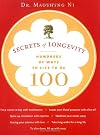
This is a useful guide to help the average person live a long , happy and healthy life . The suggestions are given 1-2 pages each . The advice varies from simple common sense like eating more fruit to more unusual like taking a trip to important spiritual landmarks , i.e. The Vatican or Tibet . This is the type of book you'll find yourself going back to several times over to try new suggestions . Highly Recommended !
The usual list of recommendations for good health, including diet, sleep and of course exercise. Really nothing new, with a strong dose of alternative medicine, but small and good reminders.
You May Also Like


Associated Authors
Statistics
- Works
- 19
- Members
- 565
- Popularity
- #44,254
- Rating
- 3.9
- Reviews
- 6
- ISBNs
- 38
- Languages
- 7