Allison Winn Scotch
Author of Time of My Life
About the Author
Image credit: By LillianD - Own work, CC BY-SA 4.0, https://commons.wikimedia.org/w/index.php?curid=64427511
Works by Allison Winn Scotch
Associated Works
Tagged
Common Knowledge
- Birthdate
- 1970s
- Gender
- female
- Education
- University of Pennsylvania
- Agent
- Elisabeth Weed
Members
Reviews
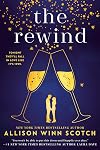
This is my fault. I know this is my fault. I thought I would give the "holiday spirit" a shot, and I shouldn't have. This may just be the worst book I've ever read. At least it was written by a woman, so the word panties wasn't used anywhere, but it's bad. Let me explain:
Our two main characters are the most insufferable human beings I've ever read about. They seem to operate under the assumption that everything that is a direct causation of their horrible actions is "just a misunderstanding show more ):"
Picture this: You're in your THIRTIES, and when you're invited to a friend from college's wedding, you black out and have sex with your ex from college in a MINOR's dorm room. When the resident of said dorm room comes home, she panics and pepper sprays the grown man standing in her BEDROOM, and he gets MAD AT HER. So anyway, later on, when you discover you left some of your stuff behind in her dorm, you go all the way back and actually accuse her of STEALING even though you literally broke into and spent the night in her bedroom. She's a college student. You should literally have gone to prison.
And it somehow gets worse.
Here's a direct quote from our girl Frankie once she discovers she and her adult friends have caused thousands upon thousands of dollars worth of damage while black-out drunk (reminder: she's in her THIRTIES)
"She could see that the Zamboni had plowed clear through the side of the rink's wall...Her options were to drive the Zamboni back through the front door and park it in the middle of the rink as if it had been here all along or wipe down the keys no fingerprints; all those episodes of law and order in hotel rooms could finally pay off and run. Or, she chewed the inside of her lip, accept accountability and call campus security and offer to write a check for the repairs."
Guess which choice we pick.
Anyway, on top of these rancid characters, this plot is just generally bad. Their relationship is so overwhelmingly toxic, and we're supposed to want them to get together? I am not rooting for these shitheads one bit. The entire book takes place on NYE, and I cannot WAIT for the clock to strike midnight so the story can just be OVER already.
Also- what college professor has their own wedding at the campus where they work? What college would agree to that? Why is the library security guard working at 11:30 PM on NYE when the campus is CLOSED?
ALSO, why did this take place in 1999? I mean, it's not part of the plot at all. There's no 90s nostalgia, and the main characters spend the entire book looking for their cellphones, so it might as well have just been modern-day. It was almost written in like an afterthought; "Also, it's New Year's Eve!" oh, did you just remember, Allison? This is dumb.
I cut out about three more paragraphs about how awful this book is because it was so unremarkable I don't think these plot points even deserve a summary.
2/5 stars. So close to 1. I hate it here. show less
Our two main characters are the most insufferable human beings I've ever read about. They seem to operate under the assumption that everything that is a direct causation of their horrible actions is "just a misunderstanding show more ):"
Picture this: You're in your THIRTIES, and when you're invited to a friend from college's wedding, you black out and have sex with your ex from college in a MINOR's dorm room. When the resident of said dorm room comes home, she panics and pepper sprays the grown man standing in her BEDROOM, and he gets MAD AT HER. So anyway, later on, when you discover you left some of your stuff behind in her dorm, you go all the way back and actually accuse her of STEALING even though you literally broke into and spent the night in her bedroom. She's a college student. You should literally have gone to prison.
And it somehow gets worse.
Here's a direct quote from our girl Frankie once she discovers she and her adult friends have caused thousands upon thousands of dollars worth of damage while black-out drunk (reminder: she's in her THIRTIES)
"She could see that the Zamboni had plowed clear through the side of the rink's wall...Her options were to drive the Zamboni back through the front door and park it in the middle of the rink as if it had been here all along or wipe down the keys no fingerprints; all those episodes of law and order in hotel rooms could finally pay off and run. Or, she chewed the inside of her lip, accept accountability and call campus security and offer to write a check for the repairs."
Guess which choice we pick.
Anyway, on top of these rancid characters, this plot is just generally bad. Their relationship is so overwhelmingly toxic, and we're supposed to want them to get together? I am not rooting for these shitheads one bit. The entire book takes place on NYE, and I cannot WAIT for the clock to strike midnight so the story can just be OVER already.
Also- what college professor has their own wedding at the campus where they work? What college would agree to that? Why is the library security guard working at 11:30 PM on NYE when the campus is CLOSED?
ALSO, why did this take place in 1999? I mean, it's not part of the plot at all. There's no 90s nostalgia, and the main characters spend the entire book looking for their cellphones, so it might as well have just been modern-day. It was almost written in like an afterthought; "Also, it's New Year's Eve!" oh, did you just remember, Allison? This is dumb.
I cut out about three more paragraphs about how awful this book is because it was so unremarkable I don't think these plot points even deserve a summary.
2/5 stars. So close to 1. I hate it here. show less
Since the death of her mother more than a decade ago, Tilly Farmer has worked hard to keep her fledgling family together. Through her father’s alcoholism and small town gossip, Tilly and sisters Luanne and Darcy have struggled to stay close and united. And her anchor since high school has been Tyler, her all-American, rugged and sports fanatical husband — and her best friend Susanna, a woman on whom she has relied heavily over the years.
Now, at 32, Tilly is happy to report she is happy show more — her father is sober; she loves her job as a guidance counselor at Westlake High, where she passes wisdom to America’s youth; she and Tyler are trying for a baby. Content in the town in which she grew up and never dreaming of anything more, Tilly would proudly proclaim her life as “perfect.” Maybe not fantastic, maybe not incredible, but good. Content.
In the steamy days of summer, Tilly meanders to the local fair, where she glides into a tent manned by Ashley Simmons. As Tilly awkwardly updates her old friend on her life, Ashley sneers at Tilly’s feigned enthusiasm for what others would see as a hum-drum existence. What Tilly would see as a hum-drum existence — if only she could. “There’s more to life than husbands and babies, Tilly,” Ashley says, and with a flash, Tilly can see that, too. In fact, Tilly can see lots of things — before they happen. And it’s going to change everything.
Allison Winn Scotch’s The One That I Want is all about those dreams deferred — the hopes we have for ourselves when we’re still fresh and young, and then the quiet lives we eventually settle for. Some of the time. Beyond that, it’s the story of a family — a wounded family — and how they must come together, get angry and really talk before things can get better.
What I liked about the story was our anchor, Tilly, a woman who fills her days heading up the prom committee and choosing the school musical — "Grease!" — because she’s unable to put the past behind her. Aware that her marriage is far from sizzling, it’s still impossible to compute that Tyler, a man she’s loved since she was sixteen, is now just a bump on the couch in front of ESPN. Fixing others’ problems seems to be better than confronting her own — until she has no choice but to acknowledge them. With Ashley’s gift of “clarity,” Tilly finally grows a backbone.
The dynamics between the three Everett sisters really made the novel for me, illuminating how complicated and awesome it is to be a sibling. And while The One That I Want has a touch of that magical realism we usually see in books by Sarah Addison Allen, I didn’t question Tilly’s new abilities. Within the context of the story, they definitely worked, adding a new dimension to a familiar plot. I found the characters and dialogue realistic and could relate to each of them in turn. While it irked me how much the girls maligned their father, especially rebellious Darcy, I couldn’t blame them for their mistrust.
I read the book quickly and enjoyed watching the burgeoning relationships, but the destruction of others was difficult to experience. Scotch did a remarkable job of documenting breakdowns in a realistic fashion, but it felt a bit like watching a trainwreck. Maybe that was the point. Regardless, my stomach was knotted on more than one occasion — and that took my enjoyment level down a notch.
For fans of family dynamics, women’s fiction and contemporary dramas, The One That I Want would make a fine addition to your to-be-read stack. Just be prepared for a few twists and a little sadness before the sunshine, too. show less
Now, at 32, Tilly is happy to report she is happy show more — her father is sober; she loves her job as a guidance counselor at Westlake High, where she passes wisdom to America’s youth; she and Tyler are trying for a baby. Content in the town in which she grew up and never dreaming of anything more, Tilly would proudly proclaim her life as “perfect.” Maybe not fantastic, maybe not incredible, but good. Content.
In the steamy days of summer, Tilly meanders to the local fair, where she glides into a tent manned by Ashley Simmons. As Tilly awkwardly updates her old friend on her life, Ashley sneers at Tilly’s feigned enthusiasm for what others would see as a hum-drum existence. What Tilly would see as a hum-drum existence — if only she could. “There’s more to life than husbands and babies, Tilly,” Ashley says, and with a flash, Tilly can see that, too. In fact, Tilly can see lots of things — before they happen. And it’s going to change everything.
Allison Winn Scotch’s The One That I Want is all about those dreams deferred — the hopes we have for ourselves when we’re still fresh and young, and then the quiet lives we eventually settle for. Some of the time. Beyond that, it’s the story of a family — a wounded family — and how they must come together, get angry and really talk before things can get better.
What I liked about the story was our anchor, Tilly, a woman who fills her days heading up the prom committee and choosing the school musical — "Grease!" — because she’s unable to put the past behind her. Aware that her marriage is far from sizzling, it’s still impossible to compute that Tyler, a man she’s loved since she was sixteen, is now just a bump on the couch in front of ESPN. Fixing others’ problems seems to be better than confronting her own — until she has no choice but to acknowledge them. With Ashley’s gift of “clarity,” Tilly finally grows a backbone.
The dynamics between the three Everett sisters really made the novel for me, illuminating how complicated and awesome it is to be a sibling. And while The One That I Want has a touch of that magical realism we usually see in books by Sarah Addison Allen, I didn’t question Tilly’s new abilities. Within the context of the story, they definitely worked, adding a new dimension to a familiar plot. I found the characters and dialogue realistic and could relate to each of them in turn. While it irked me how much the girls maligned their father, especially rebellious Darcy, I couldn’t blame them for their mistrust.
I read the book quickly and enjoyed watching the burgeoning relationships, but the destruction of others was difficult to experience. Scotch did a remarkable job of documenting breakdowns in a realistic fashion, but it felt a bit like watching a trainwreck. Maybe that was the point. Regardless, my stomach was knotted on more than one occasion — and that took my enjoyment level down a notch.
For fans of family dynamics, women’s fiction and contemporary dramas, The One That I Want would make a fine addition to your to-be-read stack. Just be prepared for a few twists and a little sadness before the sunshine, too. show less
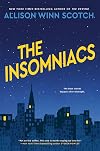
They can’t sleep. No matter what they try, they just can’t sleep, so late at night they go online to chat with one another until one of them suggests they meet in person once a week at a Manhattan all-night diner. Sybil drives in from New Jersey, where she’s at loose ends after her children headed off to college and she discovers her husband is having an affair. Zeke, who lives in a luxurious high rise penthouse nearby, is a talented Mets pitcher sidelined by an injury. Julian, who show more called them together, lives in Queens and owns a candy store, but is mourning his dead wife, his absent daughter, and a previous career that obsessed him. He invites Betty, the waitress who works the night shift, to join them at their table. She’s tight-lipped and wary, holding a secret close to her chest. Nevertheless, they are soon fast friends, enjoying their late-night companionship, until tragedy strikes and Betty finds a note on the diner’s back door: RUN. Though they don’t know what she’s running from, the Insomniacs set out to find her since they don’t want her to face it alone.
There is a mystery, here, painstakingly unraveled by members of the weekly group as they delve into what might be driving Betty’s panicked flight. There is also the development of a found family, and a slowly-developing romantic attachment between Sibyl, whose warmth knitted the group together, and Zeke, whose entire existence revolved around baseball and his famously powerful arm but who isn’t sure if he’ll recover – or if he even wants to. As it turns out, Betty isn’t the only one with secrets, but the only way for them to help her is for all of the truth to come out.
The story unfolds from four points of view, with each character growing deeper and more complex as the reader pieces things together and as the group’s connections grow stronger. This is very much a character-driven novel, but also well-plotted as the search for answers accelerates. Ultimately, it’s about how we define “family” and whether our identities are governed by other people’s demands or by our own choices about who to love and how to live our lives. show less
There is a mystery, here, painstakingly unraveled by members of the weekly group as they delve into what might be driving Betty’s panicked flight. There is also the development of a found family, and a slowly-developing romantic attachment between Sibyl, whose warmth knitted the group together, and Zeke, whose entire existence revolved around baseball and his famously powerful arm but who isn’t sure if he’ll recover – or if he even wants to. As it turns out, Betty isn’t the only one with secrets, but the only way for them to help her is for all of the truth to come out.
The story unfolds from four points of view, with each character growing deeper and more complex as the reader pieces things together and as the group’s connections grow stronger. This is very much a character-driven novel, but also well-plotted as the search for answers accelerates. Ultimately, it’s about how we define “family” and whether our identities are governed by other people’s demands or by our own choices about who to love and how to live our lives. show less
Bestselling author Allison Winn Scotch can always be counted on to deliver an entertaining story. Her books often appear, at first blush, to be light, breezy romances with happy endings and clever, innovative premises that elevate them within a saturated genre. But as her stories progress, it quickly becomes evident that she is intent on exploring much more than simply how a couple meet, fall in love, perhaps lose each other, and then find their way back together. And Take Two, Birdie show more Maxwell is not an exception.
Readers might be surprised to learn that Scotch found Take Two, Birdie Maxwell difficult to write. In fact, she says she “burned down my first four drafts, deleting them nearly entirely.” There is no evidence of her struggles in the fast-paced, crisp narrative that flows with seemingly no effort at all. The story was inspired by a real-life event. Like Birdie, her lead character, she received an anonymous love letter in the mail years ago when she was at home from college during the summer. She did not attempt to discern the identity of the writer – she found it “more alarming than romantic.” But that experience was the impetus for a story that once again begins with an unusual premise and, with the addition of inventive plot twists and a cast of quirky, empathetic characters, becomes a touching meditation on the importance of communication in relationships, learning to be brave, loyalty to family, and daring to craft a life on one’s own terms that brings genuine happiness.
Birdie Maxwell is now known as Birdie Robinson and she is the beloved queen of the United States box office. Having started in a string of successful romantic comedy films, she is known as “America’s Sweetheart.” Until, that is, she blows up on the set of her latest movie and the details are leaked to TMZ. The reason for her emotional implosion? The mistreatment of women by her co-star, Sebastian Carol. Sebastian is known for being “handsy,” leering, and luring actresses to his trailer with promises of movie roles and associated perks. Birdie felt “she was defending the honor of women everywhere.” But so far, the public is on Sebastian’s side, and not even the “apology video” she reluctantly released at the insistence of her agent and publicist has helped stop the freefall into which her career has careened, once again demonstrating the ongoing disparate treatment and perceptions of men and women by both the media and the public. Birdie was aware, when the studio insisted on casting Sebatian, of his proclivities, in part, because she was enmeshed in a clandestine relationship with his brother, Miles, for five years. But she couldn’t tolerate it for one more moment, spoke her mind, and now the studio has ceased production on the film.
In an effort to escape the paparazzi and stress, she has escaped to her hometown of Barton, “a speck in the middle of California,” for the first time in four years. No one will look for her there, in part because she has claimed for years to be from Oregon. She didn’t bother to warn her parents (professors at a nearby state university); younger sister, Andie; or Mona, her best friend, the proprietor of a local dive bar who set out to be an astrophysicist, but dropped out of college and returned home when her parents needed her. She ended up staying, but her twin brother, Elliot, has traveled the world as a highly respected and well-known journalist and correspondent. Birdie has been in love with Elliot since his family moved to Barton when Birdie was twelve years old. Seven years ago, Birdie elieved her chance to have a romantic relationship with Elliot had finally arrived. But she was disappointedly, devastatingly wrong and they haven’t seen each other since one horrible, heartbreaking night they spent together. Elliot “emotionally decimated her” and she blames herself for allowing herself to think that she would mean more to him than she evidently did. Elliot has always been a handsome and charming womanizer.
Birdie’s relationship with Andie has been troubled, but she is not prepared to have Andie slam the door in her face. Had she read her emails, she would have known that her parents have embarked on a year-long sabbatical in Spain and Andie is packing up their belongings in preparation to sublet the house. Her requests for assistance from Birdie went unanswered, so she has boxed up Bridie’s remaining belongings. “Anything you want, I suggest you salvage it now.”
So, Birdie begins sorting through boxes of memorabilia, one of which contains a letter startlingly addressed to “Birdie Maxwell Robinson.” Only a few people in the world would address such a letter to her in Barton — and Birdie can’t remember whether she confessed the truth about her upbringing to any of her old boyfriends. The postmark is faded and only partially legible. Type-written, bearing no return address, and signed “X,” the letter must be several years old. It says, in part:
I regret everything.
All of it.
And I would have done it all differently.
. . .
If you have the same regrets, the same what-ifs about where we went wrong when everything could have gone right, come find me. Consider it?
Consider me again.
Letter in hand, Birdie proceeds to Mona’s bar to ponder the identity of potential letter-writers with her best friend. She is already determined to learn who sent it, plotting how documenting and publicizing the search can revive her career. “I’m thinking maybe that will help remind people that I’m likable, that I’m just a girl, standing in front of a boy, asking him to love her.” The suspects include Elliot, of course, as well as a world-renowned chef, a tennis pro, and mabye even Miles. Before she and Mona can finalize plans for the search, Elliot himself strolls into the bar. No one knows that his career is in trouble after an unfortunate ethical breach – he paid for information he needed to break a major story, although ultimately getting the facts right.
Mona enthusiastically suggests that Elliot write the story of Birdie’s search for the author of the letter. And Birdie and Elliot set off in Mona’s dilapidated Winnebago to track down and meet with her old flames, intent on remaining incognito as Birdie confronts her former lovers to see which of them regrets the demise of their relationship. Of course, nothing goes according to plan and as they travel together, they find themselves simultaneously getting reacquainted and revisiting their pasts, especially their mistakes and regrets. As the story proceeds, Scotch gradually reveals their history – how Birdie and Mona became best friends; Elliot’s high school years as the school’s star athlete, and most popular and desired boy on campus; how they ended up attending the prom together; and all that transpired seven years ago, culminating with their fiery and, so far at least, irrevocable breakup. Along the way, Birdie fights with her agent and publicist, as well as Elliot, and contemplates how events in her life led her to her current ridiculous professional and personal predicaments. Elliot is still harboring secrets that, if revealed, could again destroy his rekindled relationship with Birdie. He is also fighting to save his career. His editor has authorized him to write Birdie’s story, but only with strict ethical constraints that he finds himself straddling as he learns a great deal about Birdie’s past relationships, gains a deeper understanding of her, and contemplates how he will react if they find the author of the letter. . . and Birdie reconciles with him.
Scotch deftly keeps readers invested in their efforts to solve the mystery. In addition to providing snippets of her characters’ pasts that provide insight into how their current troubles developed, her characters that are at once lovable and sympathetic, and completely exasperating. They are flawed, their lives messy, and they are very relatable in a number of ways. Birdie is a small young woman from a small town with a big talent that she managed to parlay into a wildly successful career. She has always approached life as though it were a movie or play – she “always found difficult moments easier to digest if she simply pretended she was acting out a scene; this meant she could be vulnerable on the surface but not so vulnerable that she risked emotional decimation.” But now she is forced to confront reality – her usual defense mechanisms will not serve her in her current circumstances, and she has to develop a more honest, transparent, and straight-forward way to cope. Secrecy has made her personal life chaotic, and she is tired of it. But is she ready to risk revealing the truth and face the potential fallout? Underneath her love of the spotlight, bravado, and quick wit, she has always been and still is insecure, searching for validation, frightened, and very vulnerable. Especially where Elliot is concerned. Elliot is well aware of his public persona – talented, attractive, confident, and desirable. But, like Birdie, secrets have brought him to a crossroads in his life, and he has to decide if he has the strength and courage to speak his truth and clear the air. He recognizes that there is no other way to move forward toward what he has really wanted all along. Mona also figures prominently in the story. Both Birdie and Elliot love her dearly, and would never do anything to hurt her. She has been a loyal, steadfast, and unwavering supporter to both of them . . . and they are about to find out how deeply their best friend and sister cares about their happiness.
Scotch again demonstrates that she is a master at creating characters who engage in sharp, at times sarcastic, and frequently hilarious banter. Her characters’ verbal jousting injects the perfect balance of humor and emotional resonance into the crackling story as they find themselves in increasingly ridiculous situations, even as their deeply buried emotions are surfacing.
With Take Two, Birdie Maxwell, Scorch has crafted a delightful tale that is a combination of I Love Lucy-esque comedy and a journey for her characters of reflection, self-examination, and personal growth. If they can learn to communicate with each other freely and fearlessly, they stand a chance of saving their careers, creating a meaningful future for themselves individually and, perhaps, remaining in each other’s lives this time. And yes, Scotch eventually reveals who wrote and mailed the letter, and why, in a plot twist many readers will never anticipate.
Thanks to NetGalley for an Advance Reader's Copy of the book. show less
Readers might be surprised to learn that Scotch found Take Two, Birdie Maxwell difficult to write. In fact, she says she “burned down my first four drafts, deleting them nearly entirely.” There is no evidence of her struggles in the fast-paced, crisp narrative that flows with seemingly no effort at all. The story was inspired by a real-life event. Like Birdie, her lead character, she received an anonymous love letter in the mail years ago when she was at home from college during the summer. She did not attempt to discern the identity of the writer – she found it “more alarming than romantic.” But that experience was the impetus for a story that once again begins with an unusual premise and, with the addition of inventive plot twists and a cast of quirky, empathetic characters, becomes a touching meditation on the importance of communication in relationships, learning to be brave, loyalty to family, and daring to craft a life on one’s own terms that brings genuine happiness.
Birdie Maxwell is now known as Birdie Robinson and she is the beloved queen of the United States box office. Having started in a string of successful romantic comedy films, she is known as “America’s Sweetheart.” Until, that is, she blows up on the set of her latest movie and the details are leaked to TMZ. The reason for her emotional implosion? The mistreatment of women by her co-star, Sebastian Carol. Sebastian is known for being “handsy,” leering, and luring actresses to his trailer with promises of movie roles and associated perks. Birdie felt “she was defending the honor of women everywhere.” But so far, the public is on Sebastian’s side, and not even the “apology video” she reluctantly released at the insistence of her agent and publicist has helped stop the freefall into which her career has careened, once again demonstrating the ongoing disparate treatment and perceptions of men and women by both the media and the public. Birdie was aware, when the studio insisted on casting Sebatian, of his proclivities, in part, because she was enmeshed in a clandestine relationship with his brother, Miles, for five years. But she couldn’t tolerate it for one more moment, spoke her mind, and now the studio has ceased production on the film.
In an effort to escape the paparazzi and stress, she has escaped to her hometown of Barton, “a speck in the middle of California,” for the first time in four years. No one will look for her there, in part because she has claimed for years to be from Oregon. She didn’t bother to warn her parents (professors at a nearby state university); younger sister, Andie; or Mona, her best friend, the proprietor of a local dive bar who set out to be an astrophysicist, but dropped out of college and returned home when her parents needed her. She ended up staying, but her twin brother, Elliot, has traveled the world as a highly respected and well-known journalist and correspondent. Birdie has been in love with Elliot since his family moved to Barton when Birdie was twelve years old. Seven years ago, Birdie elieved her chance to have a romantic relationship with Elliot had finally arrived. But she was disappointedly, devastatingly wrong and they haven’t seen each other since one horrible, heartbreaking night they spent together. Elliot “emotionally decimated her” and she blames herself for allowing herself to think that she would mean more to him than she evidently did. Elliot has always been a handsome and charming womanizer.
Birdie’s relationship with Andie has been troubled, but she is not prepared to have Andie slam the door in her face. Had she read her emails, she would have known that her parents have embarked on a year-long sabbatical in Spain and Andie is packing up their belongings in preparation to sublet the house. Her requests for assistance from Birdie went unanswered, so she has boxed up Bridie’s remaining belongings. “Anything you want, I suggest you salvage it now.”
So, Birdie begins sorting through boxes of memorabilia, one of which contains a letter startlingly addressed to “Birdie Maxwell Robinson.” Only a few people in the world would address such a letter to her in Barton — and Birdie can’t remember whether she confessed the truth about her upbringing to any of her old boyfriends. The postmark is faded and only partially legible. Type-written, bearing no return address, and signed “X,” the letter must be several years old. It says, in part:
I regret everything.
All of it.
And I would have done it all differently.
. . .
If you have the same regrets, the same what-ifs about where we went wrong when everything could have gone right, come find me. Consider it?
Consider me again.
Letter in hand, Birdie proceeds to Mona’s bar to ponder the identity of potential letter-writers with her best friend. She is already determined to learn who sent it, plotting how documenting and publicizing the search can revive her career. “I’m thinking maybe that will help remind people that I’m likable, that I’m just a girl, standing in front of a boy, asking him to love her.” The suspects include Elliot, of course, as well as a world-renowned chef, a tennis pro, and mabye even Miles. Before she and Mona can finalize plans for the search, Elliot himself strolls into the bar. No one knows that his career is in trouble after an unfortunate ethical breach – he paid for information he needed to break a major story, although ultimately getting the facts right.
Mona enthusiastically suggests that Elliot write the story of Birdie’s search for the author of the letter. And Birdie and Elliot set off in Mona’s dilapidated Winnebago to track down and meet with her old flames, intent on remaining incognito as Birdie confronts her former lovers to see which of them regrets the demise of their relationship. Of course, nothing goes according to plan and as they travel together, they find themselves simultaneously getting reacquainted and revisiting their pasts, especially their mistakes and regrets. As the story proceeds, Scotch gradually reveals their history – how Birdie and Mona became best friends; Elliot’s high school years as the school’s star athlete, and most popular and desired boy on campus; how they ended up attending the prom together; and all that transpired seven years ago, culminating with their fiery and, so far at least, irrevocable breakup. Along the way, Birdie fights with her agent and publicist, as well as Elliot, and contemplates how events in her life led her to her current ridiculous professional and personal predicaments. Elliot is still harboring secrets that, if revealed, could again destroy his rekindled relationship with Birdie. He is also fighting to save his career. His editor has authorized him to write Birdie’s story, but only with strict ethical constraints that he finds himself straddling as he learns a great deal about Birdie’s past relationships, gains a deeper understanding of her, and contemplates how he will react if they find the author of the letter. . . and Birdie reconciles with him.
Scotch deftly keeps readers invested in their efforts to solve the mystery. In addition to providing snippets of her characters’ pasts that provide insight into how their current troubles developed, her characters that are at once lovable and sympathetic, and completely exasperating. They are flawed, their lives messy, and they are very relatable in a number of ways. Birdie is a small young woman from a small town with a big talent that she managed to parlay into a wildly successful career. She has always approached life as though it were a movie or play – she “always found difficult moments easier to digest if she simply pretended she was acting out a scene; this meant she could be vulnerable on the surface but not so vulnerable that she risked emotional decimation.” But now she is forced to confront reality – her usual defense mechanisms will not serve her in her current circumstances, and she has to develop a more honest, transparent, and straight-forward way to cope. Secrecy has made her personal life chaotic, and she is tired of it. But is she ready to risk revealing the truth and face the potential fallout? Underneath her love of the spotlight, bravado, and quick wit, she has always been and still is insecure, searching for validation, frightened, and very vulnerable. Especially where Elliot is concerned. Elliot is well aware of his public persona – talented, attractive, confident, and desirable. But, like Birdie, secrets have brought him to a crossroads in his life, and he has to decide if he has the strength and courage to speak his truth and clear the air. He recognizes that there is no other way to move forward toward what he has really wanted all along. Mona also figures prominently in the story. Both Birdie and Elliot love her dearly, and would never do anything to hurt her. She has been a loyal, steadfast, and unwavering supporter to both of them . . . and they are about to find out how deeply their best friend and sister cares about their happiness.
Scotch again demonstrates that she is a master at creating characters who engage in sharp, at times sarcastic, and frequently hilarious banter. Her characters’ verbal jousting injects the perfect balance of humor and emotional resonance into the crackling story as they find themselves in increasingly ridiculous situations, even as their deeply buried emotions are surfacing.
With Take Two, Birdie Maxwell, Scorch has crafted a delightful tale that is a combination of I Love Lucy-esque comedy and a journey for her characters of reflection, self-examination, and personal growth. If they can learn to communicate with each other freely and fearlessly, they stand a chance of saving their careers, creating a meaningful future for themselves individually and, perhaps, remaining in each other’s lives this time. And yes, Scotch eventually reveals who wrote and mailed the letter, and why, in a plot twist many readers will never anticipate.
Thanks to NetGalley for an Advance Reader's Copy of the book. show less
Lists
Awards
You May Also Like
Associated Authors
Statistics
- Works
- 13
- Also by
- 1
- Members
- 2,110
- Popularity
- #12,198
- Rating
- 3.5
- Reviews
- 164
- ISBNs
- 71
- Languages
- 4
- Favorited
- 3