
Ashok Mathur
Author of Cultivating Canada: Reconciliation through the Lens of Cultural Diversity
Works by Ashok Mathur
Cultivating Canada: Reconciliation through the Lens of Cultural Diversity (2011) 28 copies, 1 review
Tagged
Common Knowledge
- Gender
- male
- Nationality
- Canada
- Places of residence
- Kamloops, British Columbia, Canada
- Associated Place (for map)
- British Columbia, Canada
Members
Reviews
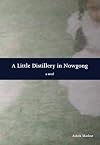
This fantastical historical novel, narrated by a child yet to be born, traces the lives of three generations of a Parsi family in India from the late 1800s to present day. The narrative follows the family from the intricacies of village life in the jungles of central India to the complications of urban life in turbulent pre- and post-independence struggles to contemporary diasporic realities in the United Kingdom and North America.
The novel begins in 1899 with the birth of a boy named show more Jamshed to a rural Parsi family in central India. As he comes of age, Jamshed feels he is faced with the choice between spirituality and materiality: he has the opportunity to train to become a Parsi priest, or may follow family connections to a business opportunity as a distillery manager. Jamshed, who will become the family patriarch as a result of his choice, quickly becomes obsessed with the question of free will, and he passes on this obsession to his descendants. His preoccupations, however, are complicated by frequent, often disturbing, visitations by his as-yet-unborn grandchildren, who may or may not come into existence based on the choices he makes. After much soul-searching (and fantastical communications), Jamshed decides to take on the management of the distillery where he discovers the almost-magical properties of its main product, a much sought-after rum called Asha. This curious liquor becomes a leit-motif, reappearing in various forms and incarnations throughout the generations of the family.
This beautifully told, engaging novel, by the author of the Commonwealth Writers’ Prize finalist The Short, Happy Life of Harry Kumar, humanizes the politics of ethnicity, culture, and colonial rule.
(Abstract source: http://www.arsenalpulp.com/bookinfo.php?index=297) show less
The novel begins in 1899 with the birth of a boy named show more Jamshed to a rural Parsi family in central India. As he comes of age, Jamshed feels he is faced with the choice between spirituality and materiality: he has the opportunity to train to become a Parsi priest, or may follow family connections to a business opportunity as a distillery manager. Jamshed, who will become the family patriarch as a result of his choice, quickly becomes obsessed with the question of free will, and he passes on this obsession to his descendants. His preoccupations, however, are complicated by frequent, often disturbing, visitations by his as-yet-unborn grandchildren, who may or may not come into existence based on the choices he makes. After much soul-searching (and fantastical communications), Jamshed decides to take on the management of the distillery where he discovers the almost-magical properties of its main product, a much sought-after rum called Asha. This curious liquor becomes a leit-motif, reappearing in various forms and incarnations throughout the generations of the family.
This beautifully told, engaging novel, by the author of the Commonwealth Writers’ Prize finalist The Short, Happy Life of Harry Kumar, humanizes the politics of ethnicity, culture, and colonial rule.
(Abstract source: http://www.arsenalpulp.com/bookinfo.php?index=297) show less

The third and final volume in a series of publications dedicated to reconciliation comes as the Aboriginal Healing Foundation prepares to close its doors after nearly one-and-a-half decades of work. Its publication constitutes the literal final word in the AHF's research agenda, but not the metaphorical final word on the subject of reconciliation.'
(Excerpt from introduction by the editors)
(Excerpt from introduction by the editors)
Statistics
- Works
- 7
- Members
- 82
- Popularity
- #220,760
- Rating
- 3.1
- Reviews
- 2
- ISBNs
- 8