
About the Author
Works by George T. Lynn
Survival Strategies for Parenting Your ADD Child: Dealing with Obsessions, Compulsions, Depression, Explosive Behavior, and Rage (1996) — Author — 28 copies
Breaking the Trance: A Practical Guide for Parenting the Screen-Dependent Child (2016) 6 copies, 1 review
Tagged
Common Knowledge
There is no Common Knowledge data for this author yet. You can help.
Members
Reviews
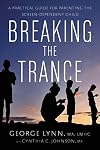
I found the tone a bit alarmist, but the authors present good arguments for reducing children's screen dependence, discussing the negative impacts of chronic use on brain development and structure, developmental stages, and moral development. They also outline the differences in symptoms and onset of chronic screen dependence vs. mental illnesses and disabilities such as bipolar disorder and dyslexia, positing that screen dependence in the absence of other psychiatric issues needs to be show more addressed differently. The authors' proposed family program for breaking screen dependence will require a lot of work, emotional stamina and all hands on deck, but they offer hope for light at the end of the tunnel, that early intervention is best. I would also recommend that early parents and parents-to-be read this book now and save themselves a lot of pain later! show less
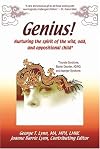
While acknowledging that ADHD and other "neurologically different" children can be disruptive and have problems affecting both others and themselves, the authors - whose teen son has been diagnosed with Tourette Syndrome and Asperger's Syndrome - acclaim these exceptional people as also having a "genius" or "guiding spirit" that can help them make important, even vital, contributions to society.
As a counselor of children and adults, George Lynn says many of his AD/HD adolescent clients "are show more sports champions or team captains at the high school level. As performers or musicians they tend to be creative and innovative composers, and charismatic on stage." And there are many examples throughout history of prominent achievers who are neurologically different. show less
As a counselor of children and adults, George Lynn says many of his AD/HD adolescent clients "are show more sports champions or team captains at the high school level. As performers or musicians they tend to be creative and innovative composers, and charismatic on stage." And there are many examples throughout history of prominent achievers who are neurologically different. show less
Statistics
- Works
- 4
- Members
- 86
- Popularity
- #213,012
- Rating
- 4.2
- Reviews
- 2
- ISBNs
- 10