
Diana Holman-Hunt (1913–1993)
Author of My Grandmothers and I
About the Author
Works by Diana Holman-Hunt
Associated Works
Tagged
Common Knowledge
- Birthdate
- 1913-10-25
- Date of death
- 1993-08-10
- Gender
- female
- Education
- boarding school
- Occupations
- art critic
memoirist
biographer - Relationships
- Hunt, William Holman (grandfather)
Bergne, Paul (son) - Short biography
- Diana Holman-Hunt was born in London, England, to Gwendolen (Freeman) and Hilary Lushington Holman Hunt. Her grandfather was the painter William Holman Hunt, one of the founders of the Pre-Raphaelite Brotherhood in 1848 along with John Everett Millais and Dante Gabriel Rossetti. Diana inherited his exceptional memory and gifts as a storyteller. She had an unusual childhood, spending much time shunted between her eccentric grandmothers. They were the subject of her first memoir, My Grandmothers and I, published in 1960. Her second book, My Grandfather, His Wives and Loves (1969), was about Holman Hunt, noted for his religious paintings. In 1974, she published Latin Among Lions, about the Chilean painter Alvaro Guevara. She was married in 1933 to Villiers A'Court (Bill) Bergne, with whom she had a son, Paul Bergne, before divorcing; she remarried in 1946 to David Cuthbert.
- Nationality
- England
UK - Birthplace
- London, England, UK
- Places of residence
- London, England, UK
- Place of death
- London, England, UK
- Associated Place (for map)
- London, England, UK
Members
Reviews

I enjoyed this very much as a companion to My Grandmothers and I - a factual and well researched account of William Holman-Hunt's life. He was determined to become an artist, over his father's objections, and made it into the Academy after three tries. Later, in the spirit of the Pre-Raphaelites, he journeyed to Syria to paint the people and landscapes of the Holy Land as accurately as possible.
His wives and loves were complicated. He became enamored of Annie Miller, a barmaid who was a show more model for Hunt and his fellow artists. But she was hardly suitable to be his wife: she came from the lowest of London slums and was iliterate. The charm and exuberance that attracted him were not qualities for the wife of an artist who wished to be accepted into Society. He arranged for her to live in a respectable boarding house and to be educated, at his expense. But Annie lost patience with his promises, and tired of the life he planned for her, and their long engagement ended.
By now Hunt could support a wife, and was able to court and marry the respectable Fanny Waugh (an aunt of the future Evelyn Waugh), one of a family of eight beautiful sisters. Sadly, she died in childbirth, leaving him with a son. Fanny's family took him to raise while Hunt returned to the East to paint. His sister believed she should raise the boy and they became estranged over this.
Fanny's younger sister Edith had, according to her tales to her granddaughter, been in love with Hunt ever since she saw him for the first time. After Fanny died and they met again, he admitted he felt an attraction too. But marriage with deceased wife's sister was illegal. They agreed they would part and never speak again of possibilities. Years passed and their reserve slipped... they married abroad, in defiance of the law. The Waugh family now turned their backs on Edith, as did a few of their painter friends.
This book ends soon after Edith and William marry, after a description of a kerfuffle involving Charles Swinburne gossiping about Dante Gabriel Rossetti that Ford Madox Brown asked Holman-Hunt to smooth over. It amused me because it's exactly the sort of drama my friends have gotten into from time to time. I was sorry the book ended there - I was curious the rest of Hunt's life, and about Edith and William's children who appear in Diana H-H's book as adults. That book contains nothing about who her mother was or why she was absent.
I knew most of his works because I'm interested in the Pre-Raphaelites, but most people who grew up going to Protestant churches know his painting "The Light of the World" with Christ knocking at a barred door. show less
His wives and loves were complicated. He became enamored of Annie Miller, a barmaid who was a show more model for Hunt and his fellow artists. But she was hardly suitable to be his wife: she came from the lowest of London slums and was iliterate. The charm and exuberance that attracted him were not qualities for the wife of an artist who wished to be accepted into Society. He arranged for her to live in a respectable boarding house and to be educated, at his expense. But Annie lost patience with his promises, and tired of the life he planned for her, and their long engagement ended.
By now Hunt could support a wife, and was able to court and marry the respectable Fanny Waugh (an aunt of the future Evelyn Waugh), one of a family of eight beautiful sisters. Sadly, she died in childbirth, leaving him with a son. Fanny's family took him to raise while Hunt returned to the East to paint. His sister believed she should raise the boy and they became estranged over this.
Fanny's younger sister Edith had, according to her tales to her granddaughter, been in love with Hunt ever since she saw him for the first time. After Fanny died and they met again, he admitted he felt an attraction too. But marriage with deceased wife's sister was illegal. They agreed they would part and never speak again of possibilities. Years passed and their reserve slipped... they married abroad, in defiance of the law. The Waugh family now turned their backs on Edith, as did a few of their painter friends.
This book ends soon after Edith and William marry, after a description of a kerfuffle involving Charles Swinburne gossiping about Dante Gabriel Rossetti that Ford Madox Brown asked Holman-Hunt to smooth over. It amused me because it's exactly the sort of drama my friends have gotten into from time to time. I was sorry the book ended there - I was curious the rest of Hunt's life, and about Edith and William's children who appear in Diana H-H's book as adults. That book contains nothing about who her mother was or why she was absent.
I knew most of his works because I'm interested in the Pre-Raphaelites, but most people who grew up going to Protestant churches know his painting "The Light of the World" with Christ knocking at a barred door. show less

Diana Holman-Hunt’s childhood was spent between two vastly different households. Her maternal grandparents lived on a large country estate where she was expected to do chores, and read to her blind grandfather. Visitors provided diversion, as in a Jane Austen novel. She had a fond relationship with her grandmother’s maid Fowler and made friends with a local fisherman who lived in a hut on the beach.
Then for a while she’d go to stay with her father’s mother in London. That grandmother show more was the widow of Pre Raphaelite painter William Holman-Hunt. Eccentric isn’t quite the word to describe her. She lived with a servant in a house crowded with priceless artwork, surrounded by props from her late husband’s paintings, and a lot of hoarded junk. She was scornful about bodily comforts like fresh food and comfortable beds. Her aim in life was to keep William’s memory alive, and she took Diana to the Tate to see his paintings (commenting on other painter’s works - “Turner, that nasty little man!”). She quizzed Diana on her knowledge of all Holman Hunt family stories, like the time William boiled a horse’s bones in the yard so he could be sure of their anatomy.
Much of Diana’s childhood sounds pretty awful. Her father was off in Burma and wasn’t much of a dad when he returned; we never find out what happened to her mother, nor if Diana thinks of her. But she writes from a child’s point of view, accepting whatever the adults dish out and finding amusement in odd ways, so it doesn’t feel sad. It’s very entertaining and funny.
Apparently this book was a best seller in England. I enjoyed it so much I bought the biography she wrote of her grandfather and his wives and lovers, from 1969. The grandmother of this book was his second wife, his deceased wife’s sister, and their marriage was illegal at the time. show less
Then for a while she’d go to stay with her father’s mother in London. That grandmother show more was the widow of Pre Raphaelite painter William Holman-Hunt. Eccentric isn’t quite the word to describe her. She lived with a servant in a house crowded with priceless artwork, surrounded by props from her late husband’s paintings, and a lot of hoarded junk. She was scornful about bodily comforts like fresh food and comfortable beds. Her aim in life was to keep William’s memory alive, and she took Diana to the Tate to see his paintings (commenting on other painter’s works - “Turner, that nasty little man!”). She quizzed Diana on her knowledge of all Holman Hunt family stories, like the time William boiled a horse’s bones in the yard so he could be sure of their anatomy.
Much of Diana’s childhood sounds pretty awful. Her father was off in Burma and wasn’t much of a dad when he returned; we never find out what happened to her mother, nor if Diana thinks of her. But she writes from a child’s point of view, accepting whatever the adults dish out and finding amusement in odd ways, so it doesn’t feel sad. It’s very entertaining and funny.
Apparently this book was a best seller in England. I enjoyed it so much I bought the biography she wrote of her grandfather and his wives and lovers, from 1969. The grandmother of this book was his second wife, his deceased wife’s sister, and their marriage was illegal at the time. show less
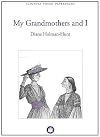
A totally bewitching little book that makes my own childhood seem like heaven. Diana's headstrong character, irrepressible good humour and charming irreverence bubbles through this account of her early years spent in the charge of her two grandmothers, the disapproving, straitlaced Grandmother Freeman in a house on the edge of the Surrey marshes, and the batty Grand (Edith Waugh) in a dark London mansion that is more mausoleum than house. Diana's father Hilary, son of the pre-Raphaelite show more painter Holman Hunt, is 8000 miles away in India, and her mother an unknown entity, apart from the fact that she is called Norah and that Diana never saw her. Did she die, was there a scandal? I can't find any information about her, but she seems to be unmentionable. show less

Diana Holman-Hunt – granddaughter of the eminent Pre-Raphaelite painter – spent her Edwardian childhood shuttling between two wildly contrasting households. My Grandmothers and I is her darkly funny memoir of that time. One of the households, in Kensington, belonged to Diana’s paternal grandmother, Holman-Hunt’s eccentric widow, known to Diana as ‘Grand’. The other, on the edge of the Sussex marshes, was the home of her mother’s parents, Grandmother and Grandfather Freeman. show more While the Freeman household ran on oiled wheels, with a full complement of servants to minister to Grandmother Freeman’s whims, parsimonious ‘Grand’, in her big gaunt house full of treasures and valuable paintings, relied entirely on the services of ‘my good Helen’, a taciturn figure who existed in the damp, beetle-infested basement from which she produced inedible meals of scrag end, Bovril and ancient eggs. While sweet-smelling, self-indulgent Grandmother Freeman lived for the present, ‘Grand’ lived entirely in the faded splendour of her past. The two mistrusted one another deeply and competed for Diana’s affection while being spectacularly blind to her needs.
Out of this essentially bleak scenario, in which she was passed like a parcel from one to the other and finally left in her teens to fend for herself, Diana has woven a small comic masterpiece of pitch-perfect dialogue and deadpan observation. show less
Out of this essentially bleak scenario, in which she was passed like a parcel from one to the other and finally left in her teens to fend for herself, Diana has woven a small comic masterpiece of pitch-perfect dialogue and deadpan observation. show less
You May Also Like
Associated Authors
Statistics
- Works
- 3
- Also by
- 1
- Members
- 153
- Popularity
- #136,479
- Rating
- 4.3
- Reviews
- 5
- ISBNs
- 14