
Tony Fitzjohn (–2022)
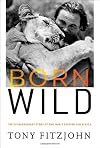
Author of Born Wild: The Extraordinary Story of One Man's Passion for Lions and for Africa
Works by Tony Fitzjohn
Born Wild: The Extraordinary Story of One Man's Passion for Lions and for Africa (2011) 83 copies, 13 reviews
Tagged
Common Knowledge
- Date of death
- 2022-05-20
- Gender
- male
- Occupations
- Conservationist
Members
Reviews
Tony Fitzjohn was a bad boy, drinking and carousing his way through life—not really knowing what to do with himself. Adopted as a baby, later a Boy Scout with mischievous tendencies; he once became infected with Typhus when someone dared him to drink out of a dirty puddle. While recuperating, he read Tarzan and it inspired a life long love of Africa. That desire to visit Africa, got him there in 1968, and he bummed around taking odd jobs and barely surviving until he met George Adamson in show more 1971. While most people knew of George and Joy Adamson from Joy’s book and movie Born Free about George’s work with the lions in Kenya, it was George’s autobiography Bwana Game that inspired Tony to seek him out.
Adamson’s camp, Kampi ya Simba, is in Kora Kenya and from his first day there Tony never wanted to leave. The animals in Kora National Park, were being hunted into extinction, elephants for their tusks and rhinos for their horns were slaughtered by Somali poachers. George, his brother Terence, and Tony worked hard to restore the area, with some government and local help, but for every victory there was heartache and increasing violence. As much as many people believed in Kora and the reintroduction of the animals, there were just as many people corrupted by money, who would look the other way when it came to hunting and poaching. There were more than a few who outright lied; causing trouble that in the end would cause Tony to leave the place and animals he loved, to start over in Tanzania. No longer working with the lions and leopards in Kora he would go onto Mkomazi National Park and build a Rhino Sanctuary, along with reintroducing African Wild Dogs back into an area where they had been decimated.
This memoir not only is an amazing look at one man’s life, but it looks deep into the history of Africa and it’s wildlife during this troubling time. The day I finished reading Born Wild the nightly news splashed pictures of piles of elephant tusks that had recently been confiscated from poachers in Kenya, and I felt such sadness and frustration that the killing continues. I’m thankful that there are people like Tony Fitzjohn that have brought us awareness of the devastation, and who have worked hard to show us the way to help things change. Now if we could just stop the slaughter before it’s too late. show less
Adamson’s camp, Kampi ya Simba, is in Kora Kenya and from his first day there Tony never wanted to leave. The animals in Kora National Park, were being hunted into extinction, elephants for their tusks and rhinos for their horns were slaughtered by Somali poachers. George, his brother Terence, and Tony worked hard to restore the area, with some government and local help, but for every victory there was heartache and increasing violence. As much as many people believed in Kora and the reintroduction of the animals, there were just as many people corrupted by money, who would look the other way when it came to hunting and poaching. There were more than a few who outright lied; causing trouble that in the end would cause Tony to leave the place and animals he loved, to start over in Tanzania. No longer working with the lions and leopards in Kora he would go onto Mkomazi National Park and build a Rhino Sanctuary, along with reintroducing African Wild Dogs back into an area where they had been decimated.
This memoir not only is an amazing look at one man’s life, but it looks deep into the history of Africa and it’s wildlife during this troubling time. The day I finished reading Born Wild the nightly news splashed pictures of piles of elephant tusks that had recently been confiscated from poachers in Kenya, and I felt such sadness and frustration that the killing continues. I’m thankful that there are people like Tony Fitzjohn that have brought us awareness of the devastation, and who have worked hard to show us the way to help things change. Now if we could just stop the slaughter before it’s too late. show less
 This review was written for LibraryThing Early Reviewers.
While "Born Wild" won't fit in with the many animal memoirs hitting the shelves the last few years, I found it a great read. As a fan of Joy Adamson's books and Christian the lion's story, reading Tony's perspective added more depth. He worked with George Adamson and played a big role in Christian's return to the wild. There are some who may disagree with some of his opinions - other reviewers have covered them quite well - but Tony comes across as honest and open, confident in his beliefs.
This review was written for LibraryThing Early Reviewers.Tommy Fitzjohn is, if nothing else, bluntly honest; about himself, about everyone he worked with, and about his work. His personality flows across the book, and you can tell the best times of his life was spending time with Lions, keeping the sanctuary running, and drinking. A lot. (Least surprising AA member ever). Fitzjohn and co-writer Miles Bredin's ability to invest the book's rambling prose with such a clear voice drive some wonderful passages - and some problems along with them.
For show more much of the book it's a joy to hear Fitzjohn's wanderings, in Africa and then around George Adamson's camp in Kora, Kenya. His relationships with the few people around him and the lions (and later leopards) rehabilitated there are great, even if the looseness around the timeline can be occasionally disorienting. But as the political situation in Kenya becomes inherently worse, the book also manages to reflect Fitzjohn's frustration all too well - it gets sidetracked and somewhat aimless. Some changes around camp just sort of happen and it's never clear when or why. As Fitzjohn is forced to flee Kenya under pressure from the corrupt government, he sets up shop in Tanzania - and the authors simply can't manage to make his largely administrative role there all that interesting, without the same level of focus on the animals and his relationships with them. Fitzjohn is also clearly bored by fundraisng, but that doesn't mean the authors should bore us when they talk about that part of his life.
The other main problem with the book is more a limitation - Fitzjohn has transitioned from an assistant to a wildlife rehabilitator to the head of a large conservation trust, but he seldom looks far beyond what's ahead of him. His anger at hunters and grazers who poach and poison the wildlife are valuable, as is his clear experience in relying on non-corrupt officials and police above all else. But even as the book touches on some contentious wildlife issues like whether hunting permits help, or whether wildlife and grazers can share land, it can't break out of Fitzjohn's viewpoint and stays narrow about it.
That all sounds more negative than I feel about the book. While the later passages are weak, they're still interesting for anyone involved in conservation, and the first half of the book is wonderful. show less
For show more much of the book it's a joy to hear Fitzjohn's wanderings, in Africa and then around George Adamson's camp in Kora, Kenya. His relationships with the few people around him and the lions (and later leopards) rehabilitated there are great, even if the looseness around the timeline can be occasionally disorienting. But as the political situation in Kenya becomes inherently worse, the book also manages to reflect Fitzjohn's frustration all too well - it gets sidetracked and somewhat aimless. Some changes around camp just sort of happen and it's never clear when or why. As Fitzjohn is forced to flee Kenya under pressure from the corrupt government, he sets up shop in Tanzania - and the authors simply can't manage to make his largely administrative role there all that interesting, without the same level of focus on the animals and his relationships with them. Fitzjohn is also clearly bored by fundraisng, but that doesn't mean the authors should bore us when they talk about that part of his life.
The other main problem with the book is more a limitation - Fitzjohn has transitioned from an assistant to a wildlife rehabilitator to the head of a large conservation trust, but he seldom looks far beyond what's ahead of him. His anger at hunters and grazers who poach and poison the wildlife are valuable, as is his clear experience in relying on non-corrupt officials and police above all else. But even as the book touches on some contentious wildlife issues like whether hunting permits help, or whether wildlife and grazers can share land, it can't break out of Fitzjohn's viewpoint and stays narrow about it.
That all sounds more negative than I feel about the book. While the later passages are weak, they're still interesting for anyone involved in conservation, and the first half of the book is wonderful. show less
This review was written for LibraryThing Early Reviewers.
This book is about much that I love. Its about Africa and lions and George Adamson told through the eyes of a man who lived there in camp with him. Tony Fitzjohn is real, some what crazy and a wild man but real. He's a honest storyteller who is humble, self depricating with a good sense of humor. Oh how I would have loved to visit him and meet those lions at Kora or go to Mkomazi in Tanzania and see the rhino sanctuary, meet the wild dogs or Nina the elephant. But since I can't I am glad show more that I got to read such an interesting account of his man's in the wilds of Africa. show less
Statistics
- Works
- 1
- Members
- 83
- Popularity
- #218,810
- Rating
- 3.5
- Reviews
- 13
- ISBNs
- 18
- Languages
- 1
