
Papa Benedetto XVI (1927–2022)
Author of Jesus of Nazareth: From the Baptism in the Jordan to the Transfiguration
About the Author
Joseph Ratzinger was born on April 16, 1927 in Marktl am Inn in the state of Bavaria, Germany. Ratzinger entered the minor seminary in Traunstein, in 1939 and in 1943 along with the rest of his seminary class he was drafted into the Flak [anti-aircraft corps]. In 1944 he was released from the Flak show more and returned home only to be drafted into labor detail under the infamous Austrian Legion. In the spring of 1945 Ratzinger deserted the army and headed home but when the Americans arrive at his village shortly thereafter, he was identified as a German soldier and incarcerated in a POW camp for a brief time. Following his release he re-entered the seminary. In 1951 Joseph was ordained into the priesthood and began lectures as a full professor of fundamental theology at the University of Bonn. From 1962-65 Ratzinger was present during all four sessions of the Second Vatican Council as a peritus, or chief theological advisor to Cardinal Joseph Frings of Cologne, Germany. . In 1977 Joseph Ratzinger was appointed Archbishop of Munich and Freising and on June 27 elevated to Cardinal of Munich by Pope Paul VI. In 1981 Ratzinger accepted Pope John Paul II's invitation to take over as Prefect for the Congregation for the Doctrine of the Faith and in 1986 he was appointed head of a 12-member commission responsible for drafting the Catechism of the Catholic Church. Cardinal Ratzinger was elected vice dean of the College of Cardinals in 1988. In 2002 Pope John Paul II, approved his election as dean of the College of Cardinals. On April 8, 2005, Cardinal Ratzinger presided over the funeral of Pope John Paul II. On April 19, 2005, Cardinal Ratzinger was elected Bishop of Rome on the fourth ballot of the conclave and took the name Benedict XVI. (Bowker Author Biography) show less
Image credit: Wikipedia
Series
Works by Papa Benedetto XVI
Jesus of Nazareth: From the Baptism in the Jordan to the Transfiguration (2007) — Author — 1,950 copies, 19 reviews
Jesus of Nazareth: Holy Week: From the Entrance Into Jerusalem To The Resurrection (2011) 1,202 copies, 9 reviews
Salt of the Earth: The Church at the End of the Millennium: An Interview With Peter Seewald (1996) 670 copies, 9 reviews
In the Beginning…': A Catholic Understanding of the Story of Creation and the Fall (Ressourcement: Retrieval and Renewal in Catholic Thought (RRRCT)) (1986) — some editions — 668 copies, 7 reviews
The Ratzinger Report: An Exclusive Interview on the State of the Church (1985) 598 copies, 9 reviews
Principles of Catholic Theology: Building Stones for a Fundamental Theology (1982) 383 copies, 1 review
From the Depths of Our Hearts: Priesthood, Celibacy and the Crisis of the Catholic Church (2020) 187 copies, 2 reviews
The Yes of Jesus Christ: Spiritual Exercises in Faith, Hope, and Love (1989) — Author — 159 copies, 1 review
The Spirit of the Liturgy: With the Spirit of the Liturgy by Father Romano Guardini (2018) 126 copies
Friendship with Jesus: Pope Benedict XVI Talks to Children on Their First Holy Communion (2010) 74 copies
A Turning Point for Europe? The Church in the Modern World - Assessment and Forecast (1992) 54 copies
Christ Our Hope: The Papal Addresses of the Apostolic Journey to the United States (2008) 46 copies, 1 review
Pope Benedict in America: The Full Texts of Papal Talks Given During His Apostolic Visit to the United States (2008) 45 copies
Biblical Interpretation in Crisis: The Ratzinger Conference on Bible and Church (Encounter Series) (1989) — Contributor — 42 copies
The Priest, A Bridge to God: Inspiration and Encouragement for Priests and Seminarians (2012) 37 copies
Holy Days: Meditations on the Feasts, Fasts, and Other Solemnities of the Church (2012) 36 copies, 12 reviews
The Ten Commandments for the Environment: Pope Benedict XVI Speaks Out for Creation and Justice (2009) 35 copies
Joseph Ratzinger in Communio: Vol. 1, The Unity of the Church (Ressourcement: Retrieval & Renewal in Catholic Thought) (2010) 30 copies
Joseph Ratzinger in Communio, Vol. 2: Anthropology and Culture (Ressourcement: Retrieval and Renewal in Catholic Thought) (2013) 24 copies
Summorum Pontificum: Motu Proprio on the Use of the Roman Liturgy Prior to the Reform of 1970 (2007) 22 copies, 1 review
El nuevo pueblo de Dios: Esquemas para una eclesiologia (Biblioteca Herder) (Spanish Edition) (1901) 20 copies
Meeting Saint Paul With the Pope: Wednesday Audiences During the Pauline Jubilee Year (2009) 18 copies
Opera omnia di Joseph Ratzinger vol. 12 - Annunciatori della Parola e servitori della vostra gioia (2013) 14 copies
Christ Our Hope: Pope Benedict XVI's Apostolic Visit to the United States — Author — 14 copies
Africae Munus: On the Church in Africa in Service to Reconciliation, Justice and Peace (2011) — Author — 14 copies
Dear Young People: Homilies and Addresses of Pope Benedict XVI for World Youth Day, 2008 (2008) 13 copies
Obras completas de Joseph Ratzinger. VII/1: Sobre la enseñanza del Concilio Vaticano II: Formulación, transmisión, interpretación (2013) 12 copies
Il Dio della fede e il Dio dei filosofi. Un contributo al problema della theologia naturalis (2007) 11 copies
Via crucis al colosseo: meditazioni e preghiere del cardinale Joseph Ratzinger: venerdi Santo 2005 (2005) 9 copies
Chi prega si salva 8 copies
The Pardon of Assisi 8 copies
Obras completas de Joseph Ratzinger. II: Comprensión de la revelación y teología de la historia de San Buenaventura (MAIOR) (Spanish Edition) (2013) 8 copies
Benedict XVI and Blessed John Henry Newman: The State Visit - September 2010 - The Official Record (2010) 7 copies
Don't be afraid to be Saints: Words from John Paul II and Benedict XVI, World Youth Days 1984-2008 (2008) — Author — 5 copies, 1 review
Un avvenimento di vita, cioè una storia: itinerario di quindici anni concepiti e vissuti — Preface — 5 copies
Los Padres de la Iglesia II: De León Magno a Juan Damasceno (Raíces de la fe) (Spanish Edition) (2010) 4 copies
Eine menschlichere Welt für alle: Die Rede vor der UNO. Vollständige zweisprachige Ausgabe (2008) 4 copies
Music from the Vatican : alma mater : featuring the voice of Pope Benedict XVI — Narrator — 4 copies
A Grande Esperanca - Textos Escolhidos Sobre Escatologia (Em Portugues do Brasil) (2019) — Author — 3 copies
De toekomst van het geloof 3 copies
JÉSUS CHRIST EXPLIQUÉ PAR LE PAPE 3 copies
Il vangelo della famiglia e della vita: interventi del Santo Padre Benedetto 16. nei primi due anni del suo pontificato (2007) 3 copies
Lord, I Love You! Homilies through the Liturgical Year: Volume 1: Lent, Easter, and Solemnities of the Lord (2025) 3 copies
Meditationen zur Heiligen Woche: Ein geistlicher Begleiter von Palmsonntag bis Ostern (2007) 3 copies
Bibelausgaben, Herder, Freiburg : Die Benedikt Bibel; Die Bibel, Die Heilige Schrift des Alten und Neuen Bundes (2007) 3 copies
Teologia della liberazione — Foreword — 3 copies
Speaking to Young People 3 copies
Speaking to Priests 3 copies
Sermon in a Sentence: A Treasury of Quotations on the Spiritual Life From Pope Benedict XVI (2023) 3 copies
Christlicher Glaube und Europa 3 copies
Theological Burning Points 3 copies
Pueblo y casa de Dios en la doctrina de san Agustín sobre la Iglesia (Spanish Edition) (2011) 3 copies
n. 1-3 del 1983, Gennaio - Settembre: rivista semestrale di cultura mariana e di formazione kolbiana — Author — 3 copies
Lettera per l'indizione di un anno sacerdotale in occasione del 150 anniversario del dies natalis del Santo Curato d'Ars (2009) 3 copies
Padri della Chiesa vol. 3 3 copies
Opera omnia di Joseph Ratzinger. L' insegnamento del Concilio Vaticano II (Vol. 7/2) (2016) 3 copies
Gesù di Nazareth all'università. Il libro di Joseph Ratzinger-Benedetto XVI letto e commentato negli atenei italiani (2012) 2 copies
Communio International Catholic Review: Youth and the Meaning of Life (Vol. 22, No. 4 - Winter 1995) (1995) 2 copies
Insegnamenti di Benedetto XVI 2 copies
Insegnamenti di Benedetto XVI 2 copies
La carità politica. Discorsi agli uomini e alle donne impegnati nelle istituzioni civili (2012) 2 copies
Der Anfang : Papst Benedikt XVI. Joseph Ratzinger ; Predigten und Ansprachen April/Mai 2005 2 copies
Enseñar y aprender el amor de Dios : con ocasión del 65 aniversario de la ordenación sacerdotal del Papa emérito (2016) 2 copies
Gesammelte Schriften Band 2. Offenbarungsverständnis und Geschichtstheologie Bonaventuras: Habilitationsschrift und Bonaventura-Studien (2009) 2 copies
Prinzipien christlicher Moral 2 copies
Discursos de Benedicto XVI con motivo del año sacerdotal retiros espirituales para sacerdotes 2010-2011 (2010) 2 copies
Speaking to Today's World 2 copies
Die Offenbarung des Johannes : (k)ein Buch mit sieben Siegeln ; Erkenntnisse, Gedanken, Impulse 2 copies
MIREMOS AL TRASPASADO 2 copies
Il problema della transustanziazione e del significato dell'Eucaristia — Author — 2 copies
'A los mayores' — Author — 2 copies
Los amigos de Jesús : fragmentos de las audiencias generales del Santo Padre dedicadas a los Doce Apóstoles y a San Pablo (2010) 2 copies
Summorum Pontificum 2 copies
The Lord 2 copies
Gesù di Nazaret - Infanzia 2 copies
The Church Today 2 copies
Gesù di Nazaret II 2 copies
Gott, rette die Vernunft!: Die Regensburger Vorlesung des Papstes in der philosophischen Diskussion (2008) 2 copies
Enseñanzas del Papa en la JMJ 2011 Madrid: Todas las intervenciones y el Vía Crucis (MAGISTERIO DE LA IGLESIA. DOCUMENTOS) (Spanish Edition) (2011) 2 copies
Homilías. Volumen I. Adviento 2 copies
"Courage! Get on your feet, Continent of Africa" (Homily of His Holiness Pope Benedict XVI and Message of the Bishops of Africa to the People of God) (2009) — Author — 2 copies
Gaudi - Inspired Architect for God: Pilgrim to Santiago De Compostela Dedicating the Basilica of the Sagrada Famailia (2011) 2 copies
La iglesia, rostro de Cristo/ The Church, The Face of Christ (Spanish Edition) (2007) 2 copies, 1 review
Messaggio per la Quaresima 2013 2 copies
O Novo povo de Deus 2 copies
Judeus e cristãos 2 copies
By Joseph Ratzinger ; Pope Benedict XVI ; Philip J Whitmore ( Author ) [ Jesus of Nazareth: The Infancy Narratives By Nov-2012 Hardcover (2012) 2 copies
CONCIENCIA AL DESNUDO 1 copy
Jesus of Nazareth 1 copy
Mass of Thanksgiving Celebrating Venerable Servant of God, Archbishop Fulton J. Sheen (pamphlet) 1 copy
Służyć prawdzie 1 copy
Lenten Massage 2008 1 copy
Gesu Di Nazaret 1 copy
Die Psalmen ausgelegt von Johannes Paul II. und Benedikt XVI.: Das Abendgebet der Kirche (2006) — Author — 1 copy
Benedetto 16.: ℗±Un semplice e umile lavoratore nella vigna del Signore℗: appunti autobiografici (2005) 1 copy
Benedictus in de Nederlanden 1 copy
Famiglia umana comunità di pace: messaggio di Sua Santità Benedetto 16. per la celebrazione della giornata mondiale della pace 1. gennaio 2008 (2007) — Author — 1 copy
Lumen Caritatis — Author — 1 copy
Magnificat 1 copy
Eucharystia: Bóg blisko nas 1 copy
Jesus of Nazareth (CD) 1 copy
Prawda w teologii 1 copy
Joy of Knowing Christ, The 1 copy
Excperts from Encyclical Letter "Deus Caritas Est" ("God is Love") of Pope Benedict XVI — Author — 1 copy
Papal Departure 1 copy
Address of Benedict XVI to U.S. Bishops: Papal Visit to the United States, April 2008 — Author — 1 copy
When God Answers 1 copy
Volgeranno lo sguardo a colui che hanno trafitto. Messaggio del Santo Padre Benedetto XVI per la Quaresima 2007 (2007) 1 copy
Salvos na Esperança 1 copy
Quaresma e Páscoa 1 copy
Pensamentos para os Jovens 1 copy
Pensamentos Sobre a Fé 1 copy
Konzil 1 copy
Catéchèses, Tome 6 : Les maîtres Franciscains et Dominicains : De Saint François d'Assise à Saint Thomas d'Aquin (2011) 1 copy
Portadors de llum en la història: Semblances hagiogràfiques compilades per Bernabé Dalmau (2021) 1 copy
La preghiera di Gesù 1 copy
Un nouveau féminisme : La place de l'homme et de la femme dans la famille, dans la société et dans la politique (2005) 1 copy
Benoît XVI en Terre Sainte : Pèlerinage en Jordanie, Israël et Palestine, 9-15 mai 2009 (2009) 1 copy
Homélies 1 copy
Benoit XVI en France — Author — 1 copy
Upptakt : början av Petrustjänsten : predikningar och tal april - augusti 2005 och under Världsungdomsdagen i Köln (2006) 1 copy
Radicati e fondati in Cristo saldi nella fede. Messaggio del santo padre per la XXVI Giornata mondiale della gioventù 2011 (2010) 1 copy
Una speranza solida e affidabile in tempi di crisi. Il messaggio del papa per la XXIV Giornata Mondiale della Gioventù (2009) 1 copy
Uwolnić wolność 1 copy
Jego mocna ręka trzyma moją 1 copy
La Iglesia como comunión 1 copy
Mi legado espiritual 1 copy
Paraules i homilies visita apostòlica de Benet XVI a Santiago i Barcelona (novembre de 2010) (2010) 1 copy, 1 review
Европа духовная родина — Author — 1 copy
Worte der Weisung die Regeln des heiligen Benedikt als Einführung ins geistliche Leben (1999) 1 copy
Trwajcie mocni w wierze : pielgrzymka do Polski 25-28 maja 2006 : Warszawa, Częstochowa, Kraków, Wadowice, Auschwitz (2006) 1 copy
Autorità è servire gli altri 1 copy
Peres de l'Eglise (les) 1 copy
"Benoît XVI en Afrique ; voyage apostolique au Cameroun et en Angola, 17-23 mars 2009" (2009) 1 copy
Voyage apostolique de Beno©ʼt XVI © Munich, Alt©œtting et Ratisbonne: [9-14 septembre 2006] (2006) — Author — 1 copy
Al servicio del evangelio — Author — 1 copy
Saints 1 copy
In My Own Works 1 copy
Transforming Power of Faith 1 copy
Virtues 1 copy
Face of Jesus 1 copy
Spiritual Thoughts 1 copy
The Complete Encylicals 1 copy
Gesammelte Schriften Bd. 8 Teilbd. 2 [...] : Schriften zur Ekklesiologie und Ökumene [...] (2010) 1 copy
Codex Iuris Canonici 1 copy
El Año litúrgico predicado por Benedicto XVI. Ciclo C (OBRAS LITÚRGICAS) (Spanish Edition) (2015) 1 copy
Gud är kärkeken 1 copy
Fedre og Lærere 1 copy
Ansprachen von Papst Benedikt XVI. und Grußworte aus Anlass der Ad-limina-Besuche der deutschen Bischöfe im November 2006 — Author — 1 copy
Das Gebet im Neuen Testament 1 copy
Der Mensch als Beter 1 copy
Das Gebet Jesu 1 copy
Fathers 1 copy
Christmas Novena with Benedict XVI: Prepare for Christmas with the Pope (Prayer and Devotion) (2009) 1 copy
The Joy of Knowing Christ 1 copy
Parole di Benedetto: la visione della Chiesa e del mondo negli interventi di Joseph Ratzinger, aprile 2005 (2005) 1 copy
Le nouveau peuple de Dieu. 1 copy
Molte religioni un'unica alleanza. Il rapporto tra ebrei e cristiani. Il dialogo delle religioni (2007) 1 copy
Joseph Ratzinger in Communio 1 copy
Omelie 1 copy
Presentation of the Apostolic Letter in the Form of Motu Proprio "Misericordia Dei;" An Intervention 1 copy
Crises of Law 1 copy
Lettera ai Cinesi 1 copy
Politik und Erlösung : zum Verhältnis von Glaube, Rationalität und Irrationalem in der sogenannten Theologie der Befreiung (1986) 1 copy
CON DIO NON SEI MAI SOLO 1 copy
Cari sacerdoti 1 copy
Prospettive di morale cristiana sul problema del contenuto e del fondamento dell'ethos cristiano 1 copy
Ebrei, fratelli maggiori: la necessità del dialogo fra cattolicesimo ed ebraismo nei discorsi di Papa Wojtyla e di papa Ratzinger (2007) — Author — 1 copy
Non abbiate paura! Giornata mondiale della gioventù — Author — 1 copy
Los Maestros : Padres y escritores del primer milenio. Catequesis durante las audiencias de los miércoles. (2013) 1 copy
A los sacerdotes. Discursos de Benedicto XVI — Author — 1 copy
En Esperanza Fuimos Salvados 1 copy
Maria chiesa nascente 1 copy
Církev jako společenství 1 copy
Kázání o svatých 1 copy
LUZ DO MUNDO 1 copy
"… And the Truth will Make you Free": Documents of the Congregation for the Doctrine of the Faith 1 copy
Maria nel mistero salvifico di Cristo e della Chiesa: temi di un mese di maggio alla luce della enciclica Redemptoris Mater di Giovanni Paolo 2. — Contributor — 1 copy
Paus Benediktus XVI 1 copy
Iglesia y modernidad 1 copy
Zajedništvo u crkvi 1 copy
Seek That Which Is Above 1 copy
Turning point for Europe? 1 copy
Church= ecumenism & politics 1 copy
Dogmatic Theology= vol 6: A General Doctrine of the Sacraments and The Mystery of the Eucharist 1 copy
Kalt til fellesskap 1 copy
democracia na igreja 1 copy
Rosarium B. Mariae Virginis 1 copy
Set Apart for Service 1 copy
Die Offenbarung des Johannes: (K)ein Buch mit sieben Siegeln - Erkenntnisse, Gedanken, Impulse (2015) 1 copy
Sermons by Pope Benedict XVI 1 copy
Truth and Freedom 1 copy
The Great Silence [DVD] 1 copy
He who Prays is Saved 1 copy
Pradžioje Dievas sukūrė 1 copy
La interpretacion biblica en crisis: Problemas del fundamento y la orientacion de la exegesis ho 1 copy
Chemin de Croix au Colisée : Vendredi Saint 2005 Office des célébrations liturgiques du Souverain Pontife (2006) 1 copy
I dieci comandamenti 1 copy
Krizev pot 1 copy
Maria il si di Dio all'uomo. Introduzione e commento all'Enciclica Redemptoris Mater — Author — 1 copy
"L'unique alliance" de Dieu et le pluralisme des religions (French Edition) (1999) — Author — 1 copy
Pri la kristano amo 1 copy
O počátcích církve 1 copy
An Interpretation of the Signs of the Times for the Path of the Church and of Humanity: An Exposition of "Redemptoris Mater" — Author — 1 copy
Storia e dogma 1 copy
Der Glaube der Kirche : ein theologisches Lesebuch aus Texten Joseph Ratzingers ; 1. September 2011 — Author — 1 copy
La muerte de Cristo: Meditaciones sobre la Semana Santa (Bolsillo nº 93) (Spanish Edition) (2013) 1 copy
Teología e historia 1 copy
Liturgie et mission 1 copy
DIOS ESTA CERCA 1 copy
Miremos al traspasado 1 copy
Associated Works
Memory and Identity: Conversations at the Dawn of a Millennium (2005) — Introduction, some editions — 623 copies, 7 reviews
The Love Wins Companion: A Study Guide for Those Who Want to Go Deeper (2011) — Contributor — 95 copies, 4 reviews
The Columbia Reader on Lesbians & Gay Men in Media, Society, and Politics (1999) — Contributor — 86 copies
Natural Moral Law in Contemporary Society (Studies in Philosophy and the History of Philosophy) (2010) — Contributor — 5 copies
Tagged
Common Knowledge
- Canonical name
- Pope Benedict XVI
- Legal name
- Ratzinger, Joseph Aloisius (birth name)
- Other names
- Ratzinger, Joseph
Benedict XVI - Birthdate
- 1927-04-16
- Date of death
- 2022-12-31
- Gender
- male
- Education
- Ducal Georgianum, Ludwig Maximilian University of Munich (D.Th|1953)
Saint Michael Seminary (Traunstein ∙ Germany) - Occupations
- theologian
cleric
pope
professor - Organizations
- University of Bonn
University of Münster
University of Tübingen
University of Regensburg
Roman Catholic Church (ordained 1951) - Awards and honors
- Bailiff Grand Cross of Honour and Devotion of the Sovereign Military Order of Malta (1999)
- Relationships
- Ratzinger, Georg (brother)
Pope John Paul II (predecessor|1978-2005)
Pope Francis (successor|2013-) - Nationality
- Germany (birth)
Vatican City - Birthplace
- Marktl, Bavaria, Germany
- Places of residence
- Vatican City
- Place of death
- Vatican City
- Burial location
- St. Peter's Basilica, Vatican City
- Associated Place (for map)
- Bavaria, Germany
Members
Discussions
Post Benedict XVl in Christianity (May 29)
Pope Emeritus Benedict XVI RIP in Catholic Tradition (February 2023)
BENEDICTUS PP XVI in Catholic Tradition (April 2014)
Benedict says God told him to resign in Catholic Tradition (August 2013)
Benedict XVI to resign? in Christianity (March 2013)
The New Pope. Better than the old pope? in Pro and Con (March 2013)
Pope Benedict Resigns! in Let's Talk Religion (March 2013)
Pope retires, citing 'frailty.' in Happy Heathens (February 2013)
Pope Resigns in Christianity (February 2013)
Ratzinger's fundamentalism in Let's Talk Religion (January 2013)
Pope Benedict's "October Surprise": Six new Red Hats for November Consistory in Catholic Tradition (November 2012)
"The Spirit of the Liturgy" by Cardinal Ratzinger discussion in Catholic Tradition (March 2010)
Here comes the Pope in Pro and Con (April 2008)
The Holy Father's birthday in Pope Benedict XVI (April 2008)
Reviews
Jesus of Nazareth: From the Entrance into Jerusalem to the Resurrection (Volume 2) by Pope Benedict XVI
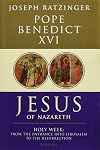
For Christians, Jesus of Nazareth is the Son of God, who died for the sins of the world, and who rose from the dead in triumph over sin and death. For non-Christians, he is almost anything else--a myth, a political revolutionary, a prophet whose teaching was misunderstood or distorted by his followers.
Jesus of Nazareth is the Son of God, and no myth, revolutionary, or misunderstood prophet, insists Benedict XVI. He thinks that the best of historical scholarship, while it can't "prove" Jesus show more is the Son of God, certainly doesn't disprove it. Indeed, Benedict maintains that the evidence, fairly considered, brings us face-to-face with the challenge of Jesus--a real man who taught and acted in ways that were tantamount to claims of divine authority, claims not easily dismissed as lunacy or deception.
Benedict XVI presents this challenge in his new book, Jesus of Nazareth: Holy Week: From the Entrance into Jerusalem to the Resurrection, the sequel volume to Jesus of Nazareth: From the Baptism in the Jordan to the Transfiguration.
Why was Jesus rejected by the religious leaders of his day? Who was responsible for his death? Did he establish a Church to carry on his work? How did Jesus view his suffering and death? How should we? And, most importantly, did Jesus really rise from the dead and what does his resurrection mean? The story of Jesus raises many crucial questions.
Benedict brings to his study the vast learning of a brilliant scholar, the passionate searching of a great mind, and the deep compassion of a pastor's heart. In the end, he dares readers to grapple with the meaning of Jesus' life, teaching, death, and resurrection. show less
Jesus of Nazareth is the Son of God, and no myth, revolutionary, or misunderstood prophet, insists Benedict XVI. He thinks that the best of historical scholarship, while it can't "prove" Jesus show more is the Son of God, certainly doesn't disprove it. Indeed, Benedict maintains that the evidence, fairly considered, brings us face-to-face with the challenge of Jesus--a real man who taught and acted in ways that were tantamount to claims of divine authority, claims not easily dismissed as lunacy or deception.
Benedict XVI presents this challenge in his new book, Jesus of Nazareth: Holy Week: From the Entrance into Jerusalem to the Resurrection, the sequel volume to Jesus of Nazareth: From the Baptism in the Jordan to the Transfiguration.
Why was Jesus rejected by the religious leaders of his day? Who was responsible for his death? Did he establish a Church to carry on his work? How did Jesus view his suffering and death? How should we? And, most importantly, did Jesus really rise from the dead and what does his resurrection mean? The story of Jesus raises many crucial questions.
Benedict brings to his study the vast learning of a brilliant scholar, the passionate searching of a great mind, and the deep compassion of a pastor's heart. In the end, he dares readers to grapple with the meaning of Jesus' life, teaching, death, and resurrection. show less
Non è certo una novità che il Papa intervenga per rendere più chiara ai fedeli la comprensione dei problemi del tempo in cui vivono, ma possiamo dire senza timore di esagerare che nessuno l'ha fatto con l'acutezza e la profondità di Benedetto XVI. Al punto che i suoi scritti dedicati alla lettura critica del presente sono ormai considerati dei classici che possono - e dovrebbero - interessare quanti vogliano capire meglio l'epoca in cui vivono, e non solo i cattolici.
Proprio per questo show more sono particolarmente illuminanti i saggi raccolti in un libro da poco pubblicato in Italia (Joseph Ratzinger, Benedetto XVI, L'elogio della coscienza. La Verità interroga il cuore, Siena, Cantagalli, 2009, pagine 175, euro 13,50). Con il consueto stile limpido e semplice, di quella semplicità che raggiunge solo il pensiero sedimentato e profondo, l'autore vi affronta i principali problemi teorici del nostro tempo, denunciandone i limiti e le manipolazioni, e proponendo una risposta chiara, tratta dal tesoro della tradizione cristiana. Tutti gli scritti ruotano intorno a due questioni intimamente legate: la coscienza e la verità, entrambe cancellate dalla cultura contemporanea, che le sostituisce con la soggettività e il relativismo, pensando di garantire in questo modo la libertà individuale, unico vero feticcio moderno.
Nel primo saggio, L'elogio della coscienza, viene chiarito un tema complesso e mistificato, quello cioè del ruolo della coscienza. In una cultura che tende a contrapporre una "morale della coscienza" a una "morale dell'autorità", slegando il problema della coscienza da quello della verità, l'unica garanzia di libertà appare essere la giustificazione della soggettività, mentre l'autorità sembra "restringere, minacciare o addirittura negare tale libertà". Qui tocchiamo il punto veramente critico della modernità: "L'idea della verità è stata nella pratica eliminata e sostituita con quella di progresso" che però, in apparenza esaltato, viene invece privato di ogni direzione. In un mondo senza punti fissi di riferimento, senza verità, non ci sono più direzioni.
La rinuncia ad ammettere che, per l'essere umano, sia possibile conoscere la verità conduce al disinteresse per i contenuti, per dare la preminenza alla tecnica, alla formalità. Un esempio chiaro in questo senso è quello dell'arte: oggi "ciò che l'opera esprime è del tutto indifferente: l'unico criterio è la sua esecuzione tecnico-formale".
Vivendo in una società che influenza e condiziona gli individui, è difficile sentire quella che veniva considerata "la voce della coscienza", cioè "la presenza percepibile ed imperiosa della voce della verità all'interno del soggetto stesso". Anche se la via alla verità e al bene è stata abbandonata perché ardua, scomoda, considerata troppo difficile da seguire, non per questo dobbiamo rinunciarvi: "dissolveremmo il cristianesimo in un moralismo se non fosse chiaro un annuncio che supera il nostro proprio fare".
In queste condizioni, la stessa verità del bene diventa inattingibile, perché l'unico riferimento per ciascuno è ciò che egli può da solo concepire come bene, rinunciando così a quel minimo di diritti oggettivamente fondati, non accordati tramite convenzioni sociali, sui quali soli si può fondare l'esistenza di ogni comunità politica. In sostanza, dove Dio scompare, "scompare anche la dignità assoluta della persona umana", e la dignità di ognuno non viene più a dipendere dal solo fatto di esistere, per essere stato voluto e creato da Dio. Ecco perché "la radice ultima dell'odio e di tutti gli attacchi contro la vita umana è la perdita di Dio".
Benedetto XVI rivela una delle sue preoccupazioni principali, che ha varie volte ripetuta: il timore che la nozione moderna di democrazia non sappia emanciparsi dall'opzione relativista, in un mondo in cui il relativismo appare come l'unica garanzia della libertà. Mentre il Papa sa bene e ripete senza sosta che "un fondamento di verità - di verità in senso morale - appare irrinunciabile per la stessa sopravvivenza della democrazia". E non dobbiamo dimenticare che, di fatto, "tutti gli stati hanno attinto le evidenze morali razionali - permettendo loro di dispiegare i propri effetti - dalle tradizioni religiose ad essi preesistenti".
Di frequente Benedetto XVI ritorna sul tema della ricerca della verità: "Se Dio è la verità, se la verità è il vero "sacro", la rinuncia alla verità diventa una fuga da Dio". Persino quando avviene all'interno di una confessione religiosa perché - denuncia il Papa - esiste anche un "positivismo fideista" che "ha paura di perdere Dio nell'esporsi alla verità delle creature". La verità è il presupposto fondamentale di ogni morale, ma se invece il criterio dell'utilità o del risultato, sostenuto da correnti di teoria politica affermate, prende il posto della verità, il mondo si frantuma in tante parzialità, perché l'utilità dipende sempre dal punto di vista del soggetto che agisce.
Cosa significa allora fare il teologo, in questa situazione culturale? E come si può pensare una nuova evangelizzazione? A queste domande rispondono in modo inedito ed esauriente gli ultimi saggi di un volume che si rivela fondamentale per comprendere il mondo di oggi, e per vivervi da cristiano. Peccato che l'editore a cui si deve l'ammirevole iniziativa di avere raccolto questi testi li abbia pubblicati senza precisare quando sono stati scritti, se dal cardinale Ratzinger o dal Papa. Come se per il lettore questa precisazione fosse irrilevante.
L'Osservatore Romano - Lucetta Scaraffia show less
Proprio per questo show more sono particolarmente illuminanti i saggi raccolti in un libro da poco pubblicato in Italia (Joseph Ratzinger, Benedetto XVI, L'elogio della coscienza. La Verità interroga il cuore, Siena, Cantagalli, 2009, pagine 175, euro 13,50). Con il consueto stile limpido e semplice, di quella semplicità che raggiunge solo il pensiero sedimentato e profondo, l'autore vi affronta i principali problemi teorici del nostro tempo, denunciandone i limiti e le manipolazioni, e proponendo una risposta chiara, tratta dal tesoro della tradizione cristiana. Tutti gli scritti ruotano intorno a due questioni intimamente legate: la coscienza e la verità, entrambe cancellate dalla cultura contemporanea, che le sostituisce con la soggettività e il relativismo, pensando di garantire in questo modo la libertà individuale, unico vero feticcio moderno.
Nel primo saggio, L'elogio della coscienza, viene chiarito un tema complesso e mistificato, quello cioè del ruolo della coscienza. In una cultura che tende a contrapporre una "morale della coscienza" a una "morale dell'autorità", slegando il problema della coscienza da quello della verità, l'unica garanzia di libertà appare essere la giustificazione della soggettività, mentre l'autorità sembra "restringere, minacciare o addirittura negare tale libertà". Qui tocchiamo il punto veramente critico della modernità: "L'idea della verità è stata nella pratica eliminata e sostituita con quella di progresso" che però, in apparenza esaltato, viene invece privato di ogni direzione. In un mondo senza punti fissi di riferimento, senza verità, non ci sono più direzioni.
La rinuncia ad ammettere che, per l'essere umano, sia possibile conoscere la verità conduce al disinteresse per i contenuti, per dare la preminenza alla tecnica, alla formalità. Un esempio chiaro in questo senso è quello dell'arte: oggi "ciò che l'opera esprime è del tutto indifferente: l'unico criterio è la sua esecuzione tecnico-formale".
Vivendo in una società che influenza e condiziona gli individui, è difficile sentire quella che veniva considerata "la voce della coscienza", cioè "la presenza percepibile ed imperiosa della voce della verità all'interno del soggetto stesso". Anche se la via alla verità e al bene è stata abbandonata perché ardua, scomoda, considerata troppo difficile da seguire, non per questo dobbiamo rinunciarvi: "dissolveremmo il cristianesimo in un moralismo se non fosse chiaro un annuncio che supera il nostro proprio fare".
In queste condizioni, la stessa verità del bene diventa inattingibile, perché l'unico riferimento per ciascuno è ciò che egli può da solo concepire come bene, rinunciando così a quel minimo di diritti oggettivamente fondati, non accordati tramite convenzioni sociali, sui quali soli si può fondare l'esistenza di ogni comunità politica. In sostanza, dove Dio scompare, "scompare anche la dignità assoluta della persona umana", e la dignità di ognuno non viene più a dipendere dal solo fatto di esistere, per essere stato voluto e creato da Dio. Ecco perché "la radice ultima dell'odio e di tutti gli attacchi contro la vita umana è la perdita di Dio".
Benedetto XVI rivela una delle sue preoccupazioni principali, che ha varie volte ripetuta: il timore che la nozione moderna di democrazia non sappia emanciparsi dall'opzione relativista, in un mondo in cui il relativismo appare come l'unica garanzia della libertà. Mentre il Papa sa bene e ripete senza sosta che "un fondamento di verità - di verità in senso morale - appare irrinunciabile per la stessa sopravvivenza della democrazia". E non dobbiamo dimenticare che, di fatto, "tutti gli stati hanno attinto le evidenze morali razionali - permettendo loro di dispiegare i propri effetti - dalle tradizioni religiose ad essi preesistenti".
Di frequente Benedetto XVI ritorna sul tema della ricerca della verità: "Se Dio è la verità, se la verità è il vero "sacro", la rinuncia alla verità diventa una fuga da Dio". Persino quando avviene all'interno di una confessione religiosa perché - denuncia il Papa - esiste anche un "positivismo fideista" che "ha paura di perdere Dio nell'esporsi alla verità delle creature". La verità è il presupposto fondamentale di ogni morale, ma se invece il criterio dell'utilità o del risultato, sostenuto da correnti di teoria politica affermate, prende il posto della verità, il mondo si frantuma in tante parzialità, perché l'utilità dipende sempre dal punto di vista del soggetto che agisce.
Cosa significa allora fare il teologo, in questa situazione culturale? E come si può pensare una nuova evangelizzazione? A queste domande rispondono in modo inedito ed esauriente gli ultimi saggi di un volume che si rivela fondamentale per comprendere il mondo di oggi, e per vivervi da cristiano. Peccato che l'editore a cui si deve l'ammirevole iniziativa di avere raccolto questi testi li abbia pubblicati senza precisare quando sono stati scritti, se dal cardinale Ratzinger o dal Papa. Come se per il lettore questa precisazione fosse irrilevante.
L'Osservatore Romano - Lucetta Scaraffia show less
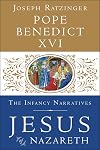
Summary: A study of the gospel accounts of the annunciations, the infancy, and boyhood of Jesus of Nazareth.
I read this over the Christmas holiday and found this a wonderful study on the narratives surrounding the birth of Christ. The work, by Pope Benedict XVI (Joseph Ratzinger) combines careful scholarship with devotional reflectiveness that evidences deep reflections on the details of these gospel texts in Matthew, Luke, and John. What follows are some of the details I had either not show more noticed or thought about in the ways Benedict describes.
The work is the final volume in the Pope's Jesus of Nazareth series. He begins with the question of the identity of this infant, posed in John 19:9 by Pilate. He notes the differing geneologies of Matthew and Luke and their purposes emphasizing the fulfillment of the Abrahamic and Davidic promise, and Luke's which emphasizes the one who represents all of humanity. One lovely detail was the focus on the four women in Matthew's geneology, none of whom were Jewish and all considered "sinners" yet through them came this child,
The second part covers the annunciation narratives, comparing and contrasting them. I had not thought before of John's descent from a priestly line, the forerunner of a new priesthood inaugurated in Jesus. I also appreciated the focus on Mary's response of seeking understanding, holding the word in her heart, and her "yes" to God. Benedict suggests that in one sense, she conceived this child through her ear, taking in Gabriel's (and the Lord's) word. Benedict also affirms the historicity of the virgin birth and links this to the resurrection as the two great miracles of Christianity.
Benedict then turns to the actual birth of Jesus and his presentation in the temple. Again, his attention to small, yet meaningful details struck me: the manger for the one who would be our bread, our food, the birth of the son of David among shepherds, and the angelic announcement. Benedict translates "men of good will" as "those with whom God is pleased," which he connects to the Father's statement about his beloved Son, with whom he is "well pleased."
The last portion focuses on the visit of the Magi and the flight to Egypt. He discusses their identity and the star. He then makes the observation that the star (or confluence of heavenly bodies) brought the Magi to Jerusalem but they needed the scriptures, God's revelation, to help them find the child in Bethlehem.
This short work ends with an epilogue discussing Jesus remaining behind in the temple as a twelve year old. Benedict observes the reply to Mary's "your father and I were looking for you." Jesus says, "didn't you know I had to be in my Father's house." Even here is a hint of his divine-human awareness, that it is God and not Joseph who is his father. Benedict goes on to discuss the idea that Jesus must be there--a sense of his mission, and a foreshadowing of the other "musts" that would take him to the cross.
While Benedict shows his awareness of the biblical scholarship and discussions around these texts, he does not allow scholarship to overtake theological reflection on the finer details of the text. One has the sense of being invited to stop and take a closer look with him, a look that leads to wonder and joy, which Benedict would observe is a good translation of the word for "Hail!" As I write, the season of Christmas has not yet passed. And even if you cannot read it this year, then have it on hand for next Christmas. show less
I read this over the Christmas holiday and found this a wonderful study on the narratives surrounding the birth of Christ. The work, by Pope Benedict XVI (Joseph Ratzinger) combines careful scholarship with devotional reflectiveness that evidences deep reflections on the details of these gospel texts in Matthew, Luke, and John. What follows are some of the details I had either not show more noticed or thought about in the ways Benedict describes.
The work is the final volume in the Pope's Jesus of Nazareth series. He begins with the question of the identity of this infant, posed in John 19:9 by Pilate. He notes the differing geneologies of Matthew and Luke and their purposes emphasizing the fulfillment of the Abrahamic and Davidic promise, and Luke's which emphasizes the one who represents all of humanity. One lovely detail was the focus on the four women in Matthew's geneology, none of whom were Jewish and all considered "sinners" yet through them came this child,
The second part covers the annunciation narratives, comparing and contrasting them. I had not thought before of John's descent from a priestly line, the forerunner of a new priesthood inaugurated in Jesus. I also appreciated the focus on Mary's response of seeking understanding, holding the word in her heart, and her "yes" to God. Benedict suggests that in one sense, she conceived this child through her ear, taking in Gabriel's (and the Lord's) word. Benedict also affirms the historicity of the virgin birth and links this to the resurrection as the two great miracles of Christianity.
Benedict then turns to the actual birth of Jesus and his presentation in the temple. Again, his attention to small, yet meaningful details struck me: the manger for the one who would be our bread, our food, the birth of the son of David among shepherds, and the angelic announcement. Benedict translates "men of good will" as "those with whom God is pleased," which he connects to the Father's statement about his beloved Son, with whom he is "well pleased."
The last portion focuses on the visit of the Magi and the flight to Egypt. He discusses their identity and the star. He then makes the observation that the star (or confluence of heavenly bodies) brought the Magi to Jerusalem but they needed the scriptures, God's revelation, to help them find the child in Bethlehem.
This short work ends with an epilogue discussing Jesus remaining behind in the temple as a twelve year old. Benedict observes the reply to Mary's "your father and I were looking for you." Jesus says, "didn't you know I had to be in my Father's house." Even here is a hint of his divine-human awareness, that it is God and not Joseph who is his father. Benedict goes on to discuss the idea that Jesus must be there--a sense of his mission, and a foreshadowing of the other "musts" that would take him to the cross.
While Benedict shows his awareness of the biblical scholarship and discussions around these texts, he does not allow scholarship to overtake theological reflection on the finer details of the text. One has the sense of being invited to stop and take a closer look with him, a look that leads to wonder and joy, which Benedict would observe is a good translation of the word for "Hail!" As I write, the season of Christmas has not yet passed. And even if you cannot read it this year, then have it on hand for next Christmas. show less
ENGLISH: My first Ratzinger's book has not been easy, even though it is a reading of only 144 pages. I had to make an effort to put myself at the author's level due to my lack of biblical knowledge. It is a continuous bombardment of data that can be overwhelming. At times you feel Ratzinger is speaking to an audience very versed in the Bible. A spectrum you may not belong to and it can be frustrating. Once you stop obsessing about understanding everything instantly, the reading becomes fluid show more and enjoyable.
But it worths it. In the end, you solve many biblical gaps. Those childhood stories of Jesus that seemed myths are clarified and take their true dimension. The continuous analogies with the Old Testament make your global vision of the Bible clearer.
Ratzinger engages in an internal debate with modern exegetes who doubt the veracity of certain biblical passages. Ratzinger's defense is firm, reasonable and honest. I miss an analysis about the birth date of Christ: December, spring? But perhaps it lacks theological relevance.
One of the things I like most about Ratzinger is that, when you immerse yourself in his work, an amazing theology is uncovered. Citing some examples: the mystery of "Titulus Crucis", Christ as "dominator of the cosmos" , debate grace-freedom, Christ as fulfillment of Old Testament promises, theology of the Annunciation, and so on.
But in addition to the great details, Ratzinger sees the small. I would highlight the scary countenance, of a whole Roman governor like Pontius Pilate, before the meekness of the Man-God. And the surprising maturity of a twelve year old boy after his presentation at the Temple. Only Ratzinger could bring to light these beautiful details.
More opinion on this post in my blog.
ESPAÑOL: Mi primer Ratzinger no ha sido fácil, a pesar de que se trata de una lectura de sólo 144 páginas. He tenido que hacer un esfuerzo para ponerme al nivel del autor debido a mi carencia de conocimientos bíblicos. Es un bombardeo continuo de datos que puede resultar abrumador. Por momentos sientes que está hablando a un público muy versado en la Biblia. Un espectro al que no perteneces y puede resultar frustrante. Una vez que dejas de obsesionarte por comprenderlo todo al instante, la lectura se hace fluida y amena.
Pero merece la pena. Al final, resuelves muchas lagunas bíblicas. Esos relatos de la infancia de Jesús que parecían mitos, se esclarecen y cobran su verdadera dimensión. Las continuas analogías con el Antiguo Testamento, hacen que tu visión global de la Biblia sea más clara.
Ratzinger entabla un debate interno con los exégetas modernos que dudan de la veracidad de ciertos pasajes bíblicos. La defensa de Ratzinger es firme, razonable y honesta. Echo en falta un análisis sobre la fecha de nacimiento de Cristo ¿Diciembre, primavera? Pero quizás carece de relevancia teológica.
Una de las cosas que más me gustan de Ratzinger es que, cuando te sumerges en su obra, se destapa una teología sorprendente. Por citar algunos ejemplos: el misterio del "Titulus Crucis", Cristo como "dominador del cosmos", debate gracia-libertad, Cristo como cumplimiento de las promesas del Antiguo Testamento, teología de la Anunciación, etc.
Pero además de los grandes detalles, Ratzinger ve lo pequeño. Me quedo con el semblante asustadizo, de todo un gobernador romano como Pilato, ante la mansedumbre del Hombre-Dios. Y la sorprendente madurez de un Niño de doce años tras su presentación en el Templo. Sólo Ratzinger podría sacar a la luz estos hermosos detalles.
Más opinión en esta entrada de mi blog. show less
But it worths it. In the end, you solve many biblical gaps. Those childhood stories of Jesus that seemed myths are clarified and take their true dimension. The continuous analogies with the Old Testament make your global vision of the Bible clearer.
Ratzinger engages in an internal debate with modern exegetes who doubt the veracity of certain biblical passages. Ratzinger's defense is firm, reasonable and honest. I miss an analysis about the birth date of Christ: December, spring? But perhaps it lacks theological relevance.
One of the things I like most about Ratzinger is that, when you immerse yourself in his work, an amazing theology is uncovered. Citing some examples: the mystery of "Titulus Crucis", Christ as "dominator of the cosmos" , debate grace-freedom, Christ as fulfillment of Old Testament promises, theology of the Annunciation, and so on.
But in addition to the great details, Ratzinger sees the small. I would highlight the scary countenance, of a whole Roman governor like Pontius Pilate, before the meekness of the Man-God. And the surprising maturity of a twelve year old boy after his presentation at the Temple. Only Ratzinger could bring to light these beautiful details.
More opinion on this post in my blog.
ESPAÑOL: Mi primer Ratzinger no ha sido fácil, a pesar de que se trata de una lectura de sólo 144 páginas. He tenido que hacer un esfuerzo para ponerme al nivel del autor debido a mi carencia de conocimientos bíblicos. Es un bombardeo continuo de datos que puede resultar abrumador. Por momentos sientes que está hablando a un público muy versado en la Biblia. Un espectro al que no perteneces y puede resultar frustrante. Una vez que dejas de obsesionarte por comprenderlo todo al instante, la lectura se hace fluida y amena.
Pero merece la pena. Al final, resuelves muchas lagunas bíblicas. Esos relatos de la infancia de Jesús que parecían mitos, se esclarecen y cobran su verdadera dimensión. Las continuas analogías con el Antiguo Testamento, hacen que tu visión global de la Biblia sea más clara.
Ratzinger entabla un debate interno con los exégetas modernos que dudan de la veracidad de ciertos pasajes bíblicos. La defensa de Ratzinger es firme, razonable y honesta. Echo en falta un análisis sobre la fecha de nacimiento de Cristo ¿Diciembre, primavera? Pero quizás carece de relevancia teológica.
Una de las cosas que más me gustan de Ratzinger es que, cuando te sumerges en su obra, se destapa una teología sorprendente. Por citar algunos ejemplos: el misterio del "Titulus Crucis", Cristo como "dominador del cosmos", debate gracia-libertad, Cristo como cumplimiento de las promesas del Antiguo Testamento, teología de la Anunciación, etc.
Pero además de los grandes detalles, Ratzinger ve lo pequeño. Me quedo con el semblante asustadizo, de todo un gobernador romano como Pilato, ante la mansedumbre del Hombre-Dios. Y la sorprendente madurez de un Niño de doce años tras su presentación en el Templo. Sólo Ratzinger podría sacar a la luz estos hermosos detalles.
Más opinión en esta entrada de mi blog. show less
Lists
Awards

You May Also Like


Associated Authors
Statistics
- Works
- 1,026
- Also by
- 15
- Members
- 34,458
- Popularity
- #550
- Rating
- 4.2
- Reviews
- 307
- ISBNs
- 1,852
- Languages
- 30
- Favorited
- 51


