
Charlie Brooker (1) (1971–)
Author of Dawn of the Dumb: Dispatches from the Idiotic Frontline
For other authors named Charlie Brooker, see the disambiguation page.
About the Author
Image credit: Wikipedia
Series
Works by Charlie Brooker
Crocodile [2017 Black Mirror TV episode] — Screenwriter — 2 copies
Cunk on Britain [television series] 2 copies
Loch Henry [2023 Black Mirror TV episode] — Screenwriter — 1 copy
Black Museum [2017 Black Mirror TV episode] — Screenwriter — 1 copy
Hang the DJ [2017 Black Mirror TV episode] — Screenwriter — 1 copy
Arkangel [2017 Black Mirror TV episode] — Screenwriter — 1 copy
Joan Is Awful [2023 Black Mirror TV episode] — Screenwriter — 1 copy
Men Against Fire [2016 Black Mirror TV episode] — Screenwriter — 1 copy
Beyond the Sea [2023 Black Mirror TV episode] — Screenwriter — 1 copy
Mazey Day [2023 Black Mirror TV episode] — Screenwriter — 1 copy
Hated in the Nation [2016 Black Mirror TV episode] — Screenwriter — 1 copy
White Bear [2013 Black Mirror TV episode] — Screenwriter — 1 copy
San Junipero [2016 Black Mirror TV episode] — Screenwriter — 1 copy
The National Anthem [2011 Black Mirror TV episode] — Screenwriter — 1 copy
Black Mirror Collection 1 copy
Fifteen Million Merits [2011 Black Mirror TV episode] — Screenwriter — 1 copy
The Waldo Moment [2013 Black Mirror TV episode] — Screenwriter — 1 copy
Shut Up and Dance [2016 Black Mirror TV episode] — Screenwriter — 1 copy
Be Right Back [2013 Black Mirror TV episode] — Screenwriter — 1 copy
Metalhead [2017 Black Mirror TV episode] — Screenwriter — 1 copy
Striking Vipers [2019 Black Mirror TV episode] — Screenwriter — 1 copy
Smithereens [2019 Black Mirror TV episode] — Screenwriter — 1 copy
Rachel, Jack and Ashley Too [2019 Black Mirror TV episode] — Screenwriter — 1 copy
Nosedive [2016 Black Mirror TV episode] — Screenwriter — 1 copy
Playtest [2016 Black Mirror TV episode] — Screenwriter — 1 copy
Associated Works
Tagged
Common Knowledge
- Legal name
- Brooker, Charlton
- Birthdate
- 1971-03-03
- Gender
- male
- Education
- Polytechnic of Central London
- Occupations
- journalist
television presenter
screenwriter - Organizations
- The Guardian
- Relationships
- Huq, Konnie (Spouse)
- Nationality
- UK
- Birthplace
- Reading, Berkshire, England, UK
- Places of residence
- Brightwell-cum-Sotwell, Oxfordshire, England, UK
Wallingford, Oxfordshire, England, UK
London, England, UK - Map Location
- England, UK
Members
Discussions
Dead Set coming to IFC in Thing(amabrarian)s That Go Bump in the Night (October 2010)
Reviews
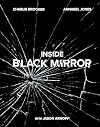
For anyone not familiar with it, Black Mirror is a television series which has been running since 2010, starting life on Channel Four in England, but after the first two series bought by Netflix. Although science fiction, its stories are set only a few years in the future and some of them feel almost contemporary. It’s been, simply, one of my favourite things, of any kind ever, on TV.
Which is why, of course, I was tempted by this tie-in. Inside Black Mirror is beautifully produced: show more large format and full of colour photos, it covers the first four seasons (nineteen episodes in total), dealing with each story in turn. There are interviews with Charlie Brooker (creator and writer), Annabel Jones (collaborator and executive producer), production staff and many of the actors. It details how each episode took shape—scripts, technical effects—and even includes development drawings of some of the props (buildings, vehicles, costumes, gadgets). What I found particularly interesting was the way the stories came together: some did go more or less in a straight line, from single idea to finished script, but others in a far more zigzag or roundabout way. One other thing: this is a book, obviously, packed throughout with spoilers, so to be read after you’ve watched.
Black Mirror is not so much about the dangers of technology, it’s more about the dangers of the human beings using it. The technical stuff (neural implants, “uploading” minds, and so on) is the means of exploring age-old themes: what “justice” means, the nature of identity, what the phrase “human being” itself means for that matter. And the title? The “black mirror”, I think, is your TV screen a moment before you switch it on; and when we look into it, like any other mirror, what we see is not technology good or bad, but ourselves. show less
Which is why, of course, I was tempted by this tie-in. Inside Black Mirror is beautifully produced: show more large format and full of colour photos, it covers the first four seasons (nineteen episodes in total), dealing with each story in turn. There are interviews with Charlie Brooker (creator and writer), Annabel Jones (collaborator and executive producer), production staff and many of the actors. It details how each episode took shape—scripts, technical effects—and even includes development drawings of some of the props (buildings, vehicles, costumes, gadgets). What I found particularly interesting was the way the stories came together: some did go more or less in a straight line, from single idea to finished script, but others in a far more zigzag or roundabout way. One other thing: this is a book, obviously, packed throughout with spoilers, so to be read after you’ve watched.
Black Mirror is not so much about the dangers of technology, it’s more about the dangers of the human beings using it. The technical stuff (neural implants, “uploading” minds, and so on) is the means of exploring age-old themes: what “justice” means, the nature of identity, what the phrase “human being” itself means for that matter. And the title? The “black mirror”, I think, is your TV screen a moment before you switch it on; and when we look into it, like any other mirror, what we see is not technology good or bad, but ourselves. show less
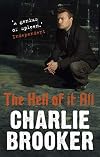
The Hell of it All is a mildly edited collection of articles written by Charlie Brooker for the Guardian newspaper. Since it's just a continuation of his earlier collection Dawn of the Dumb I've decided to produce a mildly edited collection of articles of my own. By which I mean I'm just going to copy and paste my review of that other book and delete anything that doesn't apply.
--
When I left home to start University there were many things I missed. But the combined heartache of all these show more things was outweighed by the joy I felt at the realisation that no longer would my residence's newspaper of choice be The Sun.
The word newspaper in modern English often gets shortened to just ’paper. This appellation is particularly apt for The Sun since it is undeniably full of paper and just as undeniably devoid of news. Being free of the odious tabloid was liberating. No more would every science article I read start with the phrase “Boffins at the University of…”. No more would the day's biggest news event be commented on by Jo, 19, from Wolverhampton, who was happy to expose both her views on world events and her bosom.
Since I'm a limp-wristed bleeding-hearted hairy-toed liberal the first newspaper I bought for myself was The Guardian. And immediately I started buying it I was in love. Not with the paper itself, whose more liberal stances on every single news story were refreshing at first but soon gave me the impression that if it leaned any more to the left it would fall over. No, the object of my affection was the splenetic Charlie Brooker. His column was often the highlight of each Monday, a day filled with dragging myself through lectures wondering where the weekend had popped off to and when it would be back.
Long after I had a falling out with The Guardian (they compared Boris Johnson to Hitler; I expect Godwin's law to hold in Youtube comments, not in my broadsheet newspaper) and switched allegiances to a different newspaper I would still buy a copy of Monday's Guardian just to read through his often hilarious pieces. The theme was generally self-loathing, although not being a selfish sort of man Charlie Brooker would happily dish out his loathing to anyone or anything else that had irked him that week.
This collection is a combination of Brooker's Monday articles from the G2 supplement that are him just moaning for a page or two and his Screenburn articles that review the week's television. Reading these angry rants once a week usually left me eager for the following week's article, but like some TV shows I worried that reading them all in a row in this collection would rob them of their charm. Thus, despite it being eminently pick-up-able, I practised putting the book down a lot. The individual articles are all rather short, a couple of pages at most. This makes them perfect for filling in those annoying little two minute breaks we have a dozen times a day. A few reviews have called it perfect toilet-time reading, and it is, but I mostly read it while waiting for a bus, while waiting for my pasta to boil, while waiting for British Gas to stop holding me (as it were), and many other pauses in my day that wouldn't normally be long enough for any serious reading.
Serious reading is not what this book is about. Charlie Brooker in general isn't always a seething cauldron of discontent, and he can be touchingly poignant, as best seen in his tribute to Oliver Postgate. However, the articles in this collection are witty, acerbic rage through and through.
If you like Charlie Brooker and haven't memorised everything he's ever written then this collection is a great one to dip into. It passed the six-laugh test with flying laugh-flavoured colours and, from a social history perspective, gives a nice overview of the changes in television during the three year period it covers. Charlie Brooker isn't everyone's cup of tea, but if you like your tea with a splash of milk and a teaspoon of relentless pessimistic fury, then you might want to give him a sip.
*This review originally appeared in The Daily Goodreads in July 2012. show less
--
When I left home to start University there were many things I missed. But the combined heartache of all these show more things was outweighed by the joy I felt at the realisation that no longer would my residence's newspaper of choice be The Sun.
The word newspaper in modern English often gets shortened to just ’paper. This appellation is particularly apt for The Sun since it is undeniably full of paper and just as undeniably devoid of news. Being free of the odious tabloid was liberating. No more would every science article I read start with the phrase “Boffins at the University of…”. No more would the day's biggest news event be commented on by Jo, 19, from Wolverhampton, who was happy to expose both her views on world events and her bosom.
Since I'm a limp-wristed bleeding-hearted hairy-toed liberal the first newspaper I bought for myself was The Guardian. And immediately I started buying it I was in love. Not with the paper itself, whose more liberal stances on every single news story were refreshing at first but soon gave me the impression that if it leaned any more to the left it would fall over. No, the object of my affection was the splenetic Charlie Brooker. His column was often the highlight of each Monday, a day filled with dragging myself through lectures wondering where the weekend had popped off to and when it would be back.
Long after I had a falling out with The Guardian (they compared Boris Johnson to Hitler; I expect Godwin's law to hold in Youtube comments, not in my broadsheet newspaper) and switched allegiances to a different newspaper I would still buy a copy of Monday's Guardian just to read through his often hilarious pieces. The theme was generally self-loathing, although not being a selfish sort of man Charlie Brooker would happily dish out his loathing to anyone or anything else that had irked him that week.
This collection is a combination of Brooker's Monday articles from the G2 supplement that are him just moaning for a page or two and his Screenburn articles that review the week's television. Reading these angry rants once a week usually left me eager for the following week's article, but like some TV shows I worried that reading them all in a row in this collection would rob them of their charm. Thus, despite it being eminently pick-up-able, I practised putting the book down a lot. The individual articles are all rather short, a couple of pages at most. This makes them perfect for filling in those annoying little two minute breaks we have a dozen times a day. A few reviews have called it perfect toilet-time reading, and it is, but I mostly read it while waiting for a bus, while waiting for my pasta to boil, while waiting for British Gas to stop holding me (as it were), and many other pauses in my day that wouldn't normally be long enough for any serious reading.
Serious reading is not what this book is about. Charlie Brooker in general isn't always a seething cauldron of discontent, and he can be touchingly poignant, as best seen in his tribute to Oliver Postgate. However, the articles in this collection are witty, acerbic rage through and through.
If you like Charlie Brooker and haven't memorised everything he's ever written then this collection is a great one to dip into. It passed the six-laugh test with flying laugh-flavoured colours and, from a social history perspective, gives a nice overview of the changes in television during the three year period it covers. Charlie Brooker isn't everyone's cup of tea, but if you like your tea with a splash of milk and a teaspoon of relentless pessimistic fury, then you might want to give him a sip.
*This review originally appeared in The Daily Goodreads in July 2012. show less

"Anyway, dark matter doesn't just exist in space. There are millions of people who essentially consist of dark matter; unknowable swaths of the population I have never encountered and will never understand.
"People who watch Emmerdale, for example."
This is the second collection of Brooker's columns for The Guardian, originally published between 2004 and 2007. Half are from his TV column, half from his column on more general subjects. Most of them are excellent.
I could do with a bit less about show more shows like Big Brother and The X Factor. I'm never going to watch them. But then, you could probably use this to pick up enough about them to manage to hold water-cooler conversations, without having to actually sit through the shows themselves.
Otherwise, I can have no complaints. Brooker is effortlessly funny, even when he's angry. And he's often angry. There's a lot of stupidity out there. If that bothers you, this book will help. show less
"People who watch Emmerdale, for example."
This is the second collection of Brooker's columns for The Guardian, originally published between 2004 and 2007. Half are from his TV column, half from his column on more general subjects. Most of them are excellent.
I could do with a bit less about show more shows like Big Brother and The X Factor. I'm never going to watch them. But then, you could probably use this to pick up enough about them to manage to hold water-cooler conversations, without having to actually sit through the shows themselves.
Otherwise, I can have no complaints. Brooker is effortlessly funny, even when he's angry. And he's often angry. There's a lot of stupidity out there. If that bothers you, this book will help. show less
The Hell of it All is a mildly edited collection of articles written by Charlie Brooker for the Guardian newspaper. Since it's just a continuation of his earlier collection Dawn of the Dumb I've decided to produce a mildly edited collection of articles of my own. By which I mean I'm just going to copy and paste my review of that other book and delete anything that doesn't apply.
--
When I left home to start University there were many things I missed. But the combined heartache of all these show more things was outweighed by the joy I felt at the realisation that no longer would my residence's newspaper of choice be The Sun.
The word newspaper in modern English often gets shortened to just ’paper. This appellation is particularly apt for The Sun since it is undeniably full of paper and just as undeniably devoid of news. Being free of the odious tabloid was liberating. No more would every science article I read start with the phrase “Boffins at the University of…”. No more would the day's biggest news event be commented on by Jo, 19, from Wolverhampton, who was happy to expose both her views on world events and her bosom.
Since I'm a limp-wristed bleeding-hearted hairy-toed liberal the first newspaper I bought for myself was The Guardian. And immediately I started buying it I was in love. Not with the paper itself, whose more liberal stances on every single news story were refreshing at first but soon gave me the impression that if it leaned any more to the left it would fall over. No, the object of my affection was the splenetic Charlie Brooker. His column was often the highlight of each Monday, a day filled with dragging myself through lectures wondering where the weekend had popped off to and when it would be back.
Long after I had a falling out with The Guardian (they compared Boris Johnson to Hitler; I expect Godwin's law to hold in Youtube comments, not in my broadsheet newspaper) and switched allegiances to a different newspaper I would still buy a copy of Monday's Guardian just to read through his often hilarious pieces. The theme was generally self-loathing, although not being a selfish sort of man Charlie Brooker would happily dish out his loathing to anyone or anything else that had irked him that week.
This collection is a combination of Brooker's Monday articles from the G2 supplement that are him just moaning for a page or two and his Screenburn articles that review the week's television. Reading these angry rants once a week usually left me eager for the following week's article, but like some TV shows I worried that reading them all in a row in this collection would rob them of their charm. Thus, despite it being eminently pick-up-able, I practised putting the book down a lot. The individual articles are all rather short, a couple of pages at most. This makes them perfect for filling in those annoying little two minute breaks we have a dozen times a day. A few reviews have called it perfect toilet-time reading, and it is, but I mostly read it while waiting for a bus, while waiting for my pasta to boil, while waiting for British Gas to stop holding me (as it were), and many other pauses in my day that wouldn't normally be long enough for any serious reading.
Serious reading is not what this book is about. Charlie Brooker in general isn't always a seething cauldron of discontent, and he can be touchingly poignant, as best seen in his tribute to Oliver Postgate. However, the articles in this collection are witty, acerbic rage through and through.
If you like Charlie Brooker and haven't memorised everything he's ever written then this collection is a great one to dip into. It passed the six-laugh test with flying laugh-flavoured colours and, from a social history perspective, gives a nice overview of the changes in television during the three year period it covers. Charlie Brooker isn't everyone's cup of tea, but if you like your tea with a splash of milk and a teaspoon of relentless pessimistic fury, then you might want to give him a sip.
*This review originally appeared in The Daily Goodreads in July 2012. show less
--
When I left home to start University there were many things I missed. But the combined heartache of all these show more things was outweighed by the joy I felt at the realisation that no longer would my residence's newspaper of choice be The Sun.
The word newspaper in modern English often gets shortened to just ’paper. This appellation is particularly apt for The Sun since it is undeniably full of paper and just as undeniably devoid of news. Being free of the odious tabloid was liberating. No more would every science article I read start with the phrase “Boffins at the University of…”. No more would the day's biggest news event be commented on by Jo, 19, from Wolverhampton, who was happy to expose both her views on world events and her bosom.
Since I'm a limp-wristed bleeding-hearted hairy-toed liberal the first newspaper I bought for myself was The Guardian. And immediately I started buying it I was in love. Not with the paper itself, whose more liberal stances on every single news story were refreshing at first but soon gave me the impression that if it leaned any more to the left it would fall over. No, the object of my affection was the splenetic Charlie Brooker. His column was often the highlight of each Monday, a day filled with dragging myself through lectures wondering where the weekend had popped off to and when it would be back.
Long after I had a falling out with The Guardian (they compared Boris Johnson to Hitler; I expect Godwin's law to hold in Youtube comments, not in my broadsheet newspaper) and switched allegiances to a different newspaper I would still buy a copy of Monday's Guardian just to read through his often hilarious pieces. The theme was generally self-loathing, although not being a selfish sort of man Charlie Brooker would happily dish out his loathing to anyone or anything else that had irked him that week.
This collection is a combination of Brooker's Monday articles from the G2 supplement that are him just moaning for a page or two and his Screenburn articles that review the week's television. Reading these angry rants once a week usually left me eager for the following week's article, but like some TV shows I worried that reading them all in a row in this collection would rob them of their charm. Thus, despite it being eminently pick-up-able, I practised putting the book down a lot. The individual articles are all rather short, a couple of pages at most. This makes them perfect for filling in those annoying little two minute breaks we have a dozen times a day. A few reviews have called it perfect toilet-time reading, and it is, but I mostly read it while waiting for a bus, while waiting for my pasta to boil, while waiting for British Gas to stop holding me (as it were), and many other pauses in my day that wouldn't normally be long enough for any serious reading.
Serious reading is not what this book is about. Charlie Brooker in general isn't always a seething cauldron of discontent, and he can be touchingly poignant, as best seen in his tribute to Oliver Postgate. However, the articles in this collection are witty, acerbic rage through and through.
If you like Charlie Brooker and haven't memorised everything he's ever written then this collection is a great one to dip into. It passed the six-laugh test with flying laugh-flavoured colours and, from a social history perspective, gives a nice overview of the changes in television during the three year period it covers. Charlie Brooker isn't everyone's cup of tea, but if you like your tea with a splash of milk and a teaspoon of relentless pessimistic fury, then you might want to give him a sip.
*This review originally appeared in The Daily Goodreads in July 2012. show less
Lists
Awards


You May Also Like


Associated Authors
Statistics
- Works
- 56
- Also by
- 1
- Members
- 1,874
- Popularity
- #13,739
- Rating
- 3.8
- Reviews
- 39
- ISBNs
- 28
- Favorited
- 6