
Robert Levine (1) (1944–)
Author of The Story of the Orchestra
For other authors named Robert Levine, see the disambiguation page.
About the Author
Robert Levine is a classical music and opera critic and senior editor at www.classicstoday.com. He is the author of Maria Callas: A Musical Biography and the children's book The Story of the Orchestra, among others.
Works by Robert Levine
Black Dog Opera Library : Mozart : Operas: The marriage of Figaro + The magic flute (2007) — Author — 9 copies
Associated Works
Black Dog Opera Library : Mozart : The marriage of Figaro {commentary + libretto + sound recording} (1999) — Commentary — 76 copies, 1 review
Tagged
Common Knowledge
- Canonical name
- Levine, Robert
- Birthdate
- 1944
- Gender
- male
Members
Reviews
Story of the Orchestra : Listen While You Learn About the Instruments, the Music and the Composers Who Wrote the Music! by Robert Levine
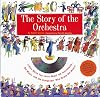
a fun approach to a complex subject. Wonderful resource for musical information, especially focused on the orchestra. Unfortunately, every musician, audience member, composer and conductor is white and male, a true miss on reality in 2002. I question the need to include animal characters alongside human ones. I don't think the animals add anything, however, it seems an obvious avoidance of inclusion and diversity across these musical venues.
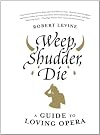
I saw this cute book at my local bookstore and thought it looked like something that I could give to friends who are interested in opera (being an opera addict and proselytizer myself). The book is very short and a quick, breezy read. I had quibbles with both the synopses and some of the author’s opinions. Also, some may take issue with the author’s occasionally flippant tone. I don’t think this book will add anything if you’re already into opera but it covered the basics in an show more appealing way and Levine’s passion clearly comes through. Good for the casual operagoer or newbie – it would be a book someone might actually finish. It’s also clearly aimed at an American audience.
The author has a quick personal intro where he describes how he came to love opera after growing up on pop and rock. Love this quote – “To this day, I cannot understand why people don’t sing – opera and otherwise – all the time.” His intro includes a brief history, an explanation of the elements of opera and a primer on how to approach some of the criticisms (everyone sings all the time, melodramatic plotlines, not “relevant” to today’s issues, in a foreign language). I kind of disagree with his clearly negative view of Regietheater productions – it was more like he was trying to say that those types of productions are out there, but by citing the “good” ones as the standard Chereau Ring and the Miller Rigoletto, while picking the worst out-of-context Bieito for the negative, then his view on the subject is clear.
The rest of the book is divided into sections on German, Italian, French, Russian, and English opera with a separate section for Mozart’s operas. Each section has a list of composers and their operas and the basic repertory is covered (though – no Tristan? Blasphemy!). There’s a quick bio, a paragraph about the composition of each piece and a VERY short synopsis. The best part is the ‘moments to die for’ section – Levine’s passion is apparent and after reading some of those I had to go put the pieces on. Levine continues to mix humor with information and there were some nice touches (the best moments in French operas were titled “Les Petites Morts”, there are a number of serious-looking pictures with silly captions). There were enough little mistakes in the already-short synopses to irritate me (I don’t think this is too important – it’s pretty easy to find synopses and nothing really changed the plot or anything) and the summary of Figaro was pretty much a mess (but Trovatore was admirably summarized in a short period – though the whole spoiler had already been given). I can’t complain about the fact that almost all the operas were from the 19th c. because that’s what you’ll see at your average American opera house. Levine has clear likes and ehs, which is fine, but he says “Mozart’s operas are so perfect that each note counts” and cites Don Giovanni as having “no sense of padding” but there were two premieres – in Prague and Vienna – and Mozart and Da Ponte wrote new music, so – which is the perfect one? And they didn’t write new music for dramaturgical reasons but because there was a different cast. But those are minor things and I do think this is a good primer for beginners. show less
The author has a quick personal intro where he describes how he came to love opera after growing up on pop and rock. Love this quote – “To this day, I cannot understand why people don’t sing – opera and otherwise – all the time.” His intro includes a brief history, an explanation of the elements of opera and a primer on how to approach some of the criticisms (everyone sings all the time, melodramatic plotlines, not “relevant” to today’s issues, in a foreign language). I kind of disagree with his clearly negative view of Regietheater productions – it was more like he was trying to say that those types of productions are out there, but by citing the “good” ones as the standard Chereau Ring and the Miller Rigoletto, while picking the worst out-of-context Bieito for the negative, then his view on the subject is clear.
The rest of the book is divided into sections on German, Italian, French, Russian, and English opera with a separate section for Mozart’s operas. Each section has a list of composers and their operas and the basic repertory is covered (though – no Tristan? Blasphemy!). There’s a quick bio, a paragraph about the composition of each piece and a VERY short synopsis. The best part is the ‘moments to die for’ section – Levine’s passion is apparent and after reading some of those I had to go put the pieces on. Levine continues to mix humor with information and there were some nice touches (the best moments in French operas were titled “Les Petites Morts”, there are a number of serious-looking pictures with silly captions). There were enough little mistakes in the already-short synopses to irritate me (I don’t think this is too important – it’s pretty easy to find synopses and nothing really changed the plot or anything) and the summary of Figaro was pretty much a mess (but Trovatore was admirably summarized in a short period – though the whole spoiler had already been given). I can’t complain about the fact that almost all the operas were from the 19th c. because that’s what you’ll see at your average American opera house. Levine has clear likes and ehs, which is fine, but he says “Mozart’s operas are so perfect that each note counts” and cites Don Giovanni as having “no sense of padding” but there were two premieres – in Prague and Vienna – and Mozart and Da Ponte wrote new music, so – which is the perfect one? And they didn’t write new music for dramaturgical reasons but because there was a different cast. But those are minor things and I do think this is a good primer for beginners. show less
Story of the Orchestra : Listen While You Learn About the Instruments, the Music and the Composers Who Wrote the Music! by Robert Levine
Eye-catching illustrations, engaging text and delightful musical selections on the accompanying 70-minute CD lead children ages 8 to 12 (and parents, too!) on an exciting and educational tour through the instruments and music of the orchestra. Illustrated in exquisite and colorful detail with over 100 original drawings and photographs, this package is a fun and exciting musical journey for children.
The engaging text is broken into three sections: an introduction to each instrument of the show more orchestra from the cello to the timpani, the stories of famous composers from Bach to Stravinsky and an explanation of different musical styles from Baroque to Modern. Each step of the way, children can listen to actual musical examples of what they are learning about. Young readers will hear the sound of an actual violin as they study the instrument and enjoy the playful tune of a Mozart minuet as they read about the composer's precocious exploits as a child. show less
The engaging text is broken into three sections: an introduction to each instrument of the show more orchestra from the cello to the timpani, the stories of famous composers from Bach to Stravinsky and an explanation of different musical styles from Baroque to Modern. Each step of the way, children can listen to actual musical examples of what they are learning about. Young readers will hear the sound of an actual violin as they study the instrument and enjoy the playful tune of a Mozart minuet as they read about the composer's precocious exploits as a child. show less
Story of the Orchestra : Listen While You Learn About the Instruments, the Music and the Composers Who Wrote the Music! by Robert Levine
This is a great welcome to the members of the orchestra. It is geared towards elementary students but holds a great amount of information for anyone interested in music. The accompanying CD is also excellent.
Lists
Sonlight Books (1)
You May Also Like


Associated Authors
Statistics
- Works
- 9
- Also by
- 1
- Members
- 1,280
- Popularity
- #20,031
- Rating
- 4.1
- Reviews
- 7
- ISBNs
- 61
- Languages
- 6