
Ross Macdonald (1) (1915–1983)
Author of The Drowning Pool
For other authors named Ross Macdonald, see the disambiguation page.
Ross Macdonald (1) has been aliased into Ross Macdonald.
About the Author
Image credit: Courtesy of Allison and Busby
Series
Works by Ross Macdonald
Works have been aliased into Ross Macdonald.
Four Novels of the 1950s: The Way Some People Die / The Barbarous Coast / The Doomsters / The Galton Case (2015) 153 copies, 2 reviews
Three Novels of the Early 1960s: The Zebra-Striped Hearse / The Chill / The Far Side of the Dollar (2016) 125 copies
Archer in Jeopardy: The Doomsters, The Zebra-Striped Hearse, & The Instant Enemy (Three Novels) (1979) 79 copies, 2 reviews
Archer, P. I.: The Ivory Grin / The Zebra Striped Hearse / The Underground Man (1977) 73 copies, 4 reviews
The Ross Macdonald Collection: 11 Classic Lew Archer Novels: A Library of America Boxed Set (Lew Archer: The Library of America, 264-279-295) (2017) 29 copies
Guilt-Edged Blonde 6 copies
El Otro Lado Del Dolar 4 copies
Att skriva romaner om brott : författaren som deckarhjälte & Hur jag skrev The Galton case (1977) 2 copies
Le sette fatiche di Lew Archer 2 copies
Il denaro nero 1 copy
Z tamtej strony dolara 1 copy
Potępieni 1 copy
Chłód 1 copy
Il sangue non è acqua 1 copy
Człowiek pogrzebany 1 copy
Paura di vivere 1 copy
Um Olhar de Despedida 1 copy
Retrato fatal, Um 1 copy
ENCONTRAR UNA VICTIMA 1 copy
a bela adormecida 1 copy
The Sinister Habit 1 copy
Lewe pieniądze 1 copy
ROMANZI 1 copy
Lew Archer 1 copy
The Singing Pigeon 1 copy
The Writer as Detective Hero 1 copy
We Went On From There 1 copy
Gone Girl 1 copy
The Suicide 1 copy
Wild Goose Chase 1 copy
Liikkuva maali 1 copy
Associated Works
Works have been aliased into Ross Macdonald.
City Sleuths and Tough Guys: Crime Stories from Poe to the Present (1989) — Contributor — 32 copies, 1 review
West Coast Fiction: Modern Writing from California, Oregon, and Washington (1979) — Contributor — 8 copies, 1 review
Tagged
Common Knowledge
- Legal name
- Millar, Kenneth
- Other names
- Macdonald, Ross
Macdonald, John Ross
Macdonald, John - Birthdate
- 1915-06-02
- Date of death
- 1983-07-11
- Gender
- male
- Education
- University of Michigan
University of Toronto - Awards and honors
- MWA Grand Master (1974)
Robert Kirsch Award (1982)
The Eye (Lifetime Achievement Award, PWA 1982) - Relationships
- Millar, Margaret (spouse)
- Nationality
- USA
Canada - Birthplace
- Los Gatos, California, USA
- Places of residence
- Kitchener, Ontario, Canada
- Place of death
- Santa Barbara, California, USA
- Map Location
- Canada
Members
Reviews
The Archer Files: The Complete Short Stories of Lew Archer, Private Investigator (Lew Archer Series) by Ross Macdonald
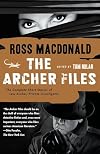
The accomplishment of Ross Macdonald in achieving true art within the confines of a presumptively trivial genre, the detective story, cannot be over-appreciated. The richness of Macdonald’s prose and his melancholy eye for character transcend any cops-and-robbers mundanity. For one like me, who has read all of Macdonald’s novels, this collection of all of his short stories (and a few fragments) about detective Lew Archer is like lapping up the last precious drops from a near-empty show more canteen while stranded in the desert. It’s both utterly delicious and sad. Macdonald’s skill with the short story is on par with his novelistic talents despite the different requirements of each form. Each of the stories is satisfying and rich. The fragments of unfinished novels or stories are infinitely tantalizing, yet in most cases they are so intriguing and enjoyable in their mere expression that they are more satisfying in their own right, even without conclusions. Anyone who appreciates a good tale wonderfully written will find much to love in this wonderful book. show less

Another splendid Lew Archer tale by Ross Macdonald, rife with dark family secrets, the visitation of the sins of the fathers on the younger generation, all the themes Macdonald explored over and over in his books, always seeming to create fresh angles from which to view the human foibles on display. The mystery this time revolves around a young woman who may or may not have been kidnapped, the wealthy oil family from which she springs, and a nearly three-decade old murder. Macdonald remains show more one of the great private eye novelists of all time, and SLEEPING BEAUTY stands high among his many books. show less
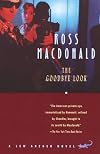
“The Archer novels are about various kinds of brokenness. I wanted to write as well as I possibly could to deal with life-and-death problems in contemporary society. And the form of Wilkie Collins and Graham Greene, of Hammett and Chandler, seemed to offer me all the rope I would ever need.”
Returning to this book after many years, the reader can clearly see Macdonald has become a novelist simply using the genre as a means to an end. He wrote about broken people in need of mending, and show more perhaps mercy. But as he once wrote:
“I have a secret passion for mercy…but justice is what keeps happening to people.”
That is certainly true of The Goodbye Look, a novel released a year before the tragic death of his daughter, whose troubled life is well documented. Young people were often troubled or in trouble in a Lew Archer novel, and that’s the case here. But it is the more mature adults who before all is said and done, appear to have lived their entire lives in interconnected lies and half-truths, with a kidnapping, and at least three murders connecting several families.
If it sounds complicated for a detective novel, it is. About a third of the way through, Macdonald has Archer sit down and write some case notes to help him get a bead on how what he knows ties together. It doesn’t help Archer, and it doesn’t help the reader. And then it becomes even more a labyrinth of old crimes somehow connected to a tiny Florentine box which has been stolen. The theft is simply a trigger, but unfortunately the trigger brings about more death, as Archer weaves his way through pain and regret to get at the truth. Archer has compassion for Betty, and the very damaged young man she loves, Nick, but in order to get to the bottom of the trouble, he’ll have to look at a crime which took place in 1945. What happened then may be the key to everything.
The case begins when lawyer John Truttwell hires Archer, in behalf of the Chalmers, to find a Florentine box which has been stolen. Archer learns that Truttwell is hiring him in behalf of Irene Chalmers only, but the reasons are as yet unclear. So is the reason why the letters inside the box are so important. Later in the case, Archer will get hold of them, and discover the reason. Perhaps this passage as Archer meets the very lovely Irene Chalmers for the first time, says it best:
“Her tone was both assertive and lacking in self-assurance. It was the tone of a handsome woman who had married money and social standing and never could forget that she might just as easily lose these things.”
But if the reader believes he understands things up to this early point in the mystery, they’d be wrong, because nothing is quite as it seems; not Larry and Irene Chalmers’ emotionally troubled and mentally unstable son, Nick; not an old kidnapping; not the murder of an old man decades before; not a missing fortune; not a doctor and his wife, with whom Archer will have an affair; not even the history of the people involved in the case, because it’s all a lie more complicated and far reaching than the reader, or Archer, can get a handle on. Some might wonder why Archer is even bothering, because few of these people are truly likable.
But then Archer meets John Truttwell’s young daughter, who loves the deeply troubled Nick. Already hurting because she’s been thrown over for an older woman, she might be the only innocent person here, and Archer likes her. Though Archer has compassion, and desires, as is proven by his affair with Moira, the wife of the doctor treating Nick, it is obvious that once Archer meets young Betty, his involvement in the case is assured. More murders, more secrets, and a bullet in the shoulder await Archer, and the story hasn’t yet come near to reaching a conclusion. The last third of the book makes the frustration of not understanding what’s going on any more than Archer does worth the literary ride.
This is a terrific novel, but Macdonald isn’t for every taste. He had his own literate approach to the form, using it as a platform to write about broken people, shattered dreams, and familial betrayal. Archer is at the center, yet Macdonald writes him almost as an observer, trying to help without letting the ugliness change him. Archer often feels a quiet, unspoken compassion for someone in the case, trying to facilitate some kind of emotional peace for them. The catalyst for Archer's interest is often a young person, as is the case here. It was a mirror to Kenneth Millar himself. A fixture in Santa Barbara in the ’70s, singer Warren Zevon made no distinctions between the fictional Archer and the flesh and blood Macdonald. He credited Macdonald for saving his life when he had a physical and emotional breakdown, and dedicated an album to him. To quote Zevon about his neighbor:
“At the lowest point in my life, the doorbell rang. And there, quite literally, was Lew Archer, on a compassionate mission, come to save my life.”
This certainly coincides with something Macdonald himself wrote about the craft:
“We writers, as we work our way deeper into our craft, learn to drop more and more personal clues. Like burglars who secretly wish to be caught, we leave our fingerprints on broken locks, our voiceprints in bugged rooms, our footprints in the wet concrete.”
Yes, the clues to the man are all here, left by the writer of the stories. Macdonald was very much the detective in his stories, if we are to believe Zevon and others.
Macdonald’s early work when he was closer in style to Chandler is very entertaining, but it’s his later work that is his best, once he’d moved away from Chandler and Hammett. Macdonald's approach isn’t better than their approach, it is simply different. A marvelous, literate read in a genre too often substituting gore and violence and unpleasantness, for understanding and story. Macdonald isn’t everyone’s cup of tea, but for those who like the human equation in their detective fiction, he’s unbeatable. This one, The Chill, The Drowning Pool, The Underground Man, and Sleeping Beauty are some of the best in the genre.
On a technical note, I read this on Kindle downloaded from Amazon Australia this time, and I was truly disappointed in Penguin. At the back, there is a whole section about the quality of the modern classics series of which Macdonald’s books are a part. Any yet, the text was unjustified, leaving a ragged, annoying right-hand margin. Shame on Penguin… show less
Returning to this book after many years, the reader can clearly see Macdonald has become a novelist simply using the genre as a means to an end. He wrote about broken people in need of mending, and show more perhaps mercy. But as he once wrote:
“I have a secret passion for mercy…but justice is what keeps happening to people.”
That is certainly true of The Goodbye Look, a novel released a year before the tragic death of his daughter, whose troubled life is well documented. Young people were often troubled or in trouble in a Lew Archer novel, and that’s the case here. But it is the more mature adults who before all is said and done, appear to have lived their entire lives in interconnected lies and half-truths, with a kidnapping, and at least three murders connecting several families.
If it sounds complicated for a detective novel, it is. About a third of the way through, Macdonald has Archer sit down and write some case notes to help him get a bead on how what he knows ties together. It doesn’t help Archer, and it doesn’t help the reader. And then it becomes even more a labyrinth of old crimes somehow connected to a tiny Florentine box which has been stolen. The theft is simply a trigger, but unfortunately the trigger brings about more death, as Archer weaves his way through pain and regret to get at the truth. Archer has compassion for Betty, and the very damaged young man she loves, Nick, but in order to get to the bottom of the trouble, he’ll have to look at a crime which took place in 1945. What happened then may be the key to everything.
The case begins when lawyer John Truttwell hires Archer, in behalf of the Chalmers, to find a Florentine box which has been stolen. Archer learns that Truttwell is hiring him in behalf of Irene Chalmers only, but the reasons are as yet unclear. So is the reason why the letters inside the box are so important. Later in the case, Archer will get hold of them, and discover the reason. Perhaps this passage as Archer meets the very lovely Irene Chalmers for the first time, says it best:
“Her tone was both assertive and lacking in self-assurance. It was the tone of a handsome woman who had married money and social standing and never could forget that she might just as easily lose these things.”
But if the reader believes he understands things up to this early point in the mystery, they’d be wrong, because nothing is quite as it seems; not Larry and Irene Chalmers’ emotionally troubled and mentally unstable son, Nick; not an old kidnapping; not the murder of an old man decades before; not a missing fortune; not a doctor and his wife, with whom Archer will have an affair; not even the history of the people involved in the case, because it’s all a lie more complicated and far reaching than the reader, or Archer, can get a handle on. Some might wonder why Archer is even bothering, because few of these people are truly likable.
But then Archer meets John Truttwell’s young daughter, who loves the deeply troubled Nick. Already hurting because she’s been thrown over for an older woman, she might be the only innocent person here, and Archer likes her. Though Archer has compassion, and desires, as is proven by his affair with Moira, the wife of the doctor treating Nick, it is obvious that once Archer meets young Betty, his involvement in the case is assured. More murders, more secrets, and a bullet in the shoulder await Archer, and the story hasn’t yet come near to reaching a conclusion. The last third of the book makes the frustration of not understanding what’s going on any more than Archer does worth the literary ride.
This is a terrific novel, but Macdonald isn’t for every taste. He had his own literate approach to the form, using it as a platform to write about broken people, shattered dreams, and familial betrayal. Archer is at the center, yet Macdonald writes him almost as an observer, trying to help without letting the ugliness change him. Archer often feels a quiet, unspoken compassion for someone in the case, trying to facilitate some kind of emotional peace for them. The catalyst for Archer's interest is often a young person, as is the case here. It was a mirror to Kenneth Millar himself. A fixture in Santa Barbara in the ’70s, singer Warren Zevon made no distinctions between the fictional Archer and the flesh and blood Macdonald. He credited Macdonald for saving his life when he had a physical and emotional breakdown, and dedicated an album to him. To quote Zevon about his neighbor:
“At the lowest point in my life, the doorbell rang. And there, quite literally, was Lew Archer, on a compassionate mission, come to save my life.”
This certainly coincides with something Macdonald himself wrote about the craft:
“We writers, as we work our way deeper into our craft, learn to drop more and more personal clues. Like burglars who secretly wish to be caught, we leave our fingerprints on broken locks, our voiceprints in bugged rooms, our footprints in the wet concrete.”
Yes, the clues to the man are all here, left by the writer of the stories. Macdonald was very much the detective in his stories, if we are to believe Zevon and others.
Macdonald’s early work when he was closer in style to Chandler is very entertaining, but it’s his later work that is his best, once he’d moved away from Chandler and Hammett. Macdonald's approach isn’t better than their approach, it is simply different. A marvelous, literate read in a genre too often substituting gore and violence and unpleasantness, for understanding and story. Macdonald isn’t everyone’s cup of tea, but for those who like the human equation in their detective fiction, he’s unbeatable. This one, The Chill, The Drowning Pool, The Underground Man, and Sleeping Beauty are some of the best in the genre.
On a technical note, I read this on Kindle downloaded from Amazon Australia this time, and I was truly disappointed in Penguin. At the back, there is a whole section about the quality of the modern classics series of which Macdonald’s books are a part. Any yet, the text was unjustified, leaving a ragged, annoying right-hand margin. Shame on Penguin… show less

“I tried to move like a neutral in the no man’s land between the lawless and the law. But when the shooting started I generally knew which side I belonged on.”
Archer is on his way back from Mazatlán to Pacific Point, California, when he sees the oil spill that will play a part in this complex unraveling of old sins coming to bear on the present. Some of Macdonald’s descriptions, as seen through Archer’s eyes from the air as his plane comes in, are wonderful, capturing the terrible show more price paid by nature when men are careless, and care only about money:
“An offshore oil platform stood up out of its windward end like the metal handle of a dagger that had stabbed the world and made it spill black blood.”
Archer as narrator talks about Pacific Point being one of his favorite places on the California coast, because of its beauty. Then once he’s on the ground there’s this:
“From the hill above the harbor I could see the enormous slick spreading like premature night across the sea.”
Moments later, in a walk along the damaged beach, Archer happens upon the girl in the case. Laurel Russo is trying to save a bird covered in oil. Her grief and pain at the bird’s plight tells Archer that she’s in emotional trouble which goes far beyond the bird’s. He takes her back with him to his apartment, and after a phone call to her estranged husband, Tom, a pharmacist, she bolts. Archer quickly discovers she’s taken from his medicine cabinet a bottle of sleeping tablets, and is alarmed because of her fragile state.
Thus begins his desperate search for the girl. He’s seen two men at a restaurant that he notes early on, and they will come into play at a certain point. One of them will, in fact, wash ashore on the morning after Archer has a brief liaison with Elizabeth. She is tied to the Somerville and Lennox clans, who are responsible for the black blood creeping toward shore. They may also be responsible for some real blood spilled on an escort carrier headed for Okinawa, and in a bedroom where a child remained alone for days after the murder of its mother. There is a ransom note, and a kidnapping which might be very real, or might be faked. That unknown leads Archer to be less than forthcoming with the authorities, because his main priority is Laurel.
I recalled this as my favorite among Ross Macdonald’s literate Lew Archer novels. The Lew Archer novels were a means to an end for Macdonald, who used the form to spotlight broken and damaged people in peril, and in need of mending. After revisiting the narrative, I find it to be the zenith of what he tried to do with the detective form, which as he once noted, gave him all the rope he’d ever need. Just how good Sleeping Beauty is, and how the author felt about it, might be indicated by his dedicating the book to Eudora Welty, with whom he had a sort of 84 Charing Cross Road type of relationship. Sleeping Beauty is literate yet full of movement as the search for Laurel in the present begins spiraling backward toward the past. It is a labyrinth, the entanglement of one family’s affairs and the damage it has strewn across both the physical landscape and the emotional one.
One of the things which strikes the reader is how unpleasant most of the people Archer encounters seem to be. Archer occasionally bites back, but has to stop short so that he can find out what he needs to know to find Laurel. There seems to be little warmth or tenderness among most of the family. When they speak, their words have an edge of nastiness or dismissal you often encounter in those who’ve either gotten their way for too long because of money and bluster, or have never gotten their way because they were the recipients of the bluster, but not the money. The more Archer talks to those around Laurel, the more it becomes evident that something is being hidden:
“The dim air of the place oppressed me. I felt as if I was lost in the catacombs under a city where no one could be trusted or believed.”
That mistrust includes Elizabeth, with whom Archer shares a tender moment, only to discover that’s all it was:
“I couldn’t tell if she was a hard woman who had moments of softness, or a soft woman who could be hard on occasion.”
The men fare even worse, either unpleasant and obstinate, or deeply troubled, like Laurel’s husband, Tom, who may be as messed up as his young wife. Archer walks in on him having a dream, and it confirms that some past trauma is the catalyst for what’s happening now. Why Archer even cares, beyond his sense of responsibility over the bottle of sleeping pills, is explained in something Laurel has written on the back of a heartfelt letter from her husband, Tom:
“I get these terrible depressions and then I don’t want to live in the world at all. Not even with you. But I’m fighting it.”
It is this letter, and Laurel’s response, which creates sympathy for the couple, and Laurel especially. Macdonald wisely gives it to the reader about a quarter way into the story, so we’ll care as much as Archer. Up to that point, the people are so insufferable we almost want Archer to start slapping them around. It helps draw the reader in, and explains why Archer puts up with them. He needs them, so he can keep pushing them, and get at the truth so that he can give the couple damaged by their respective families a chance.
The ending is quiet yet powerful, softly and sadly reverberating back through the narrative, as was Macdonald’s intent. Sleeping Beauty is a wonderful piece of writing, and I’m still of the opinion that this is his most successful novel in terms of what he was attempting to do. It would certainly explain him dedicating Sleeping Beauty to Eudora Welty. On a technical note, it has a couple of typos which don’t affect the reading — although one of them makes a sentence confusing for a moment. Every book has them, even the great ones, so it's not a big deal.
This is a terrific, literate novel which just happens to be a mystery story featuring a detective. That’s probably the best way to describe all of Macdonald’s later novels, once he’d moved sideways from Chandler. I don’t quite agree with Anthony Boucher, who suggested in the New York Times that Macdonald was a better novelist than Chandler and Hammett ever were, because it really is apples and oranges. I think Eudora Welty came much closer to pinning down the difference in styles, so I’ll allow her words to punctuate my review of Sleeping Beauty:
“A more serious and complex writer than Chandler and Hammett ever were.” show less
Archer is on his way back from Mazatlán to Pacific Point, California, when he sees the oil spill that will play a part in this complex unraveling of old sins coming to bear on the present. Some of Macdonald’s descriptions, as seen through Archer’s eyes from the air as his plane comes in, are wonderful, capturing the terrible show more price paid by nature when men are careless, and care only about money:
“An offshore oil platform stood up out of its windward end like the metal handle of a dagger that had stabbed the world and made it spill black blood.”
Archer as narrator talks about Pacific Point being one of his favorite places on the California coast, because of its beauty. Then once he’s on the ground there’s this:
“From the hill above the harbor I could see the enormous slick spreading like premature night across the sea.”
Moments later, in a walk along the damaged beach, Archer happens upon the girl in the case. Laurel Russo is trying to save a bird covered in oil. Her grief and pain at the bird’s plight tells Archer that she’s in emotional trouble which goes far beyond the bird’s. He takes her back with him to his apartment, and after a phone call to her estranged husband, Tom, a pharmacist, she bolts. Archer quickly discovers she’s taken from his medicine cabinet a bottle of sleeping tablets, and is alarmed because of her fragile state.
Thus begins his desperate search for the girl. He’s seen two men at a restaurant that he notes early on, and they will come into play at a certain point. One of them will, in fact, wash ashore on the morning after Archer has a brief liaison with Elizabeth. She is tied to the Somerville and Lennox clans, who are responsible for the black blood creeping toward shore. They may also be responsible for some real blood spilled on an escort carrier headed for Okinawa, and in a bedroom where a child remained alone for days after the murder of its mother. There is a ransom note, and a kidnapping which might be very real, or might be faked. That unknown leads Archer to be less than forthcoming with the authorities, because his main priority is Laurel.
I recalled this as my favorite among Ross Macdonald’s literate Lew Archer novels. The Lew Archer novels were a means to an end for Macdonald, who used the form to spotlight broken and damaged people in peril, and in need of mending. After revisiting the narrative, I find it to be the zenith of what he tried to do with the detective form, which as he once noted, gave him all the rope he’d ever need. Just how good Sleeping Beauty is, and how the author felt about it, might be indicated by his dedicating the book to Eudora Welty, with whom he had a sort of 84 Charing Cross Road type of relationship. Sleeping Beauty is literate yet full of movement as the search for Laurel in the present begins spiraling backward toward the past. It is a labyrinth, the entanglement of one family’s affairs and the damage it has strewn across both the physical landscape and the emotional one.
One of the things which strikes the reader is how unpleasant most of the people Archer encounters seem to be. Archer occasionally bites back, but has to stop short so that he can find out what he needs to know to find Laurel. There seems to be little warmth or tenderness among most of the family. When they speak, their words have an edge of nastiness or dismissal you often encounter in those who’ve either gotten their way for too long because of money and bluster, or have never gotten their way because they were the recipients of the bluster, but not the money. The more Archer talks to those around Laurel, the more it becomes evident that something is being hidden:
“The dim air of the place oppressed me. I felt as if I was lost in the catacombs under a city where no one could be trusted or believed.”
That mistrust includes Elizabeth, with whom Archer shares a tender moment, only to discover that’s all it was:
“I couldn’t tell if she was a hard woman who had moments of softness, or a soft woman who could be hard on occasion.”
The men fare even worse, either unpleasant and obstinate, or deeply troubled, like Laurel’s husband, Tom, who may be as messed up as his young wife. Archer walks in on him having a dream, and it confirms that some past trauma is the catalyst for what’s happening now. Why Archer even cares, beyond his sense of responsibility over the bottle of sleeping pills, is explained in something Laurel has written on the back of a heartfelt letter from her husband, Tom:
“I get these terrible depressions and then I don’t want to live in the world at all. Not even with you. But I’m fighting it.”
It is this letter, and Laurel’s response, which creates sympathy for the couple, and Laurel especially. Macdonald wisely gives it to the reader about a quarter way into the story, so we’ll care as much as Archer. Up to that point, the people are so insufferable we almost want Archer to start slapping them around. It helps draw the reader in, and explains why Archer puts up with them. He needs them, so he can keep pushing them, and get at the truth so that he can give the couple damaged by their respective families a chance.
The ending is quiet yet powerful, softly and sadly reverberating back through the narrative, as was Macdonald’s intent. Sleeping Beauty is a wonderful piece of writing, and I’m still of the opinion that this is his most successful novel in terms of what he was attempting to do. It would certainly explain him dedicating Sleeping Beauty to Eudora Welty. On a technical note, it has a couple of typos which don’t affect the reading — although one of them makes a sentence confusing for a moment. Every book has them, even the great ones, so it's not a big deal.
This is a terrific, literate novel which just happens to be a mystery story featuring a detective. That’s probably the best way to describe all of Macdonald’s later novels, once he’d moved sideways from Chandler. I don’t quite agree with Anthony Boucher, who suggested in the New York Times that Macdonald was a better novelist than Chandler and Hammett ever were, because it really is apples and oranges. I think Eudora Welty came much closer to pinning down the difference in styles, so I’ll allow her words to punctuate my review of Sleeping Beauty:
“A more serious and complex writer than Chandler and Hammett ever were.” show less
Lists
Awards


You May Also Like
Associated Authors
Statistics
- Works
- 103
- Also by
- 15
- Members
- 14,328
- Popularity
- #1,603
- Rating
- 3.8
- Reviews
- 363
- ISBNs
- 868
- Languages
- 23
- Favorited
- 55

