

Jane Nicholas (1) (1847–)
Author of Stumpwork Embroidery
For other authors named Jane Nicholas, see the disambiguation page.
About the Author
Image credit: Jane Nicholas
Works by Jane Nicholas
Stumpwork & Goldwork Embroidery Inspired by Turkish, Syrian & Persian Tiles (2010) 52 copies, 1 review
Japanese Motifs in Stumpwork & Goldwork: Embroidered designs inspired by Japanese family crests (2022) 18 copies
Stumpwork Cricket 1 copy
Tagged
Common Knowledge
- Birthdate
- 1847
- Gender
- female
- Occupations
- textile scholar
teacher - Awards and honors
- Churchill Fellowship (1999)
OAM - Nationality
- Australia
- Places of residence
- Bowral, New South Wales, Australia
- Associated Place (for map)
- New South Wales, Australia
Members
Reviews
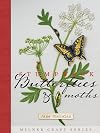
I am incredibly impressed by the level of research in Jane Nicholas's insect embroidery books. I don't read them expecting to learn more about the critters she embroiders, but I do: The natural history and basic biology of the insects are included; she also includes the history of the use of those insects in art, design & embroidery; and all of the projects are based on specific species of insects, quite true to life, with background information on their classification, habitat, and life show more cycles. It blows me away.
I've now completed one of the butterflies--the Chalkhill Blue Butterfly.
Below is a photo of an actual Chalkhill Blue Butterfly, to give you an idea of how realistic the embroidery is:
Wow, right?
The instructions were detailed, thorough and accurate. This time, I used a much finer gauge of wire, and it was much easier to couch to the fabric and buttonhole stitch over it.
The instructions for shaded satin stitch in the wings also made sense, and made a final product that looked mostly like the photo in the book (any discrepancies I'm chalking up to my poorer relative skill level).
The wings cut out well and inserted through the background fabric no problem, and the remaining instructions to embroidery the body and antennae were simple and accurate. Voila, the final product (beside the ladybug I embroidered from her beetles book a few weeks ago):
Some imperfections to note:
-I didn't have the stripey thread she used for the antennae, so mine are solid.
-I also didn't have and couldn't find 3mm beads for the head, so my head is not quite the right proportion for the body--still, I think it works
-I also didn't want to pay shipping on the brand of chenille thread she used for the body, so I used a fuzzy thread I could buy locally. It's not quite right but it's better than the shipping charge would have been.
-And lastly, you can see the pencil tick marks on the background fabric showing where the butterfly ought to have extended to, according to the "finished size" photo/diagram. Mine is clearly smaller. I followed the patterns for the wings quite carefully, so either the photo/diagram of the finished project is a smidge off, or you're supposed to buttonhole stitch around the wing shape, and not directly over it. In any case, it's a minor thing, and won't affect my ability to use the butterfly pattern on anything else I choose.
Five stars. I'm having a fantastic time with stumpwork so far. Yes, it's small and fiddly, but the smallness means that each element works up really quickly, and I can see lots of potential for including little bits like these on clothing and bags and other projects. show less
I've now completed one of the butterflies--the Chalkhill Blue Butterfly.
Below is a photo of an actual Chalkhill Blue Butterfly, to give you an idea of how realistic the embroidery is:
Wow, right?
The instructions were detailed, thorough and accurate. This time, I used a much finer gauge of wire, and it was much easier to couch to the fabric and buttonhole stitch over it.
The instructions for shaded satin stitch in the wings also made sense, and made a final product that looked mostly like the photo in the book (any discrepancies I'm chalking up to my poorer relative skill level).
The wings cut out well and inserted through the background fabric no problem, and the remaining instructions to embroidery the body and antennae were simple and accurate. Voila, the final product (beside the ladybug I embroidered from her beetles book a few weeks ago):
Some imperfections to note:
-I didn't have the stripey thread she used for the antennae, so mine are solid.
-I also didn't have and couldn't find 3mm beads for the head, so my head is not quite the right proportion for the body--still, I think it works
-I also didn't want to pay shipping on the brand of chenille thread she used for the body, so I used a fuzzy thread I could buy locally. It's not quite right but it's better than the shipping charge would have been.
-And lastly, you can see the pencil tick marks on the background fabric showing where the butterfly ought to have extended to, according to the "finished size" photo/diagram. Mine is clearly smaller. I followed the patterns for the wings quite carefully, so either the photo/diagram of the finished project is a smidge off, or you're supposed to buttonhole stitch around the wing shape, and not directly over it. In any case, it's a minor thing, and won't affect my ability to use the butterfly pattern on anything else I choose.
Five stars. I'm having a fantastic time with stumpwork so far. Yes, it's small and fiddly, but the smallness means that each element works up really quickly, and I can see lots of potential for including little bits like these on clothing and bags and other projects. show less
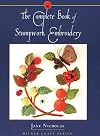
As well as reading and all things book-related, I do enjoy a few other hobbies, one of which includes cross stitch. One of the books I want to read is called The Stumpwork Robe by Prue Batten which is about a woman who hides a story in the embroidery of a magnificent robe.
This cross-over of stitching and reading led me on a quest to find out more about stumpwork and what better place to start than with The Complete Book of Stumpwork Embroidery. What I wasn't expecting to find was that the show more author Jane Nicholas is a fellow Australian, and an Australian with an Order of Australia Medal (OAM) no less, for her services to hand embroidery as an artist, teacher, and author.
Jane has been researching and working in the field for over 20 years and travels all over the world teaching and designing and is a leading expert in the world of embroidery and stumpwork. One of her designs, Homage to the Seventeenth Century is printed in colour in the end papers of The Complete Book of Stumpwork Embroidery, and took her 5 years to finish! Pictured below, it had me spellbound, and staring at her work with my mouth open for minutes on end, then flicking back and forth understanding which stitches she used for which components.
In Jane's words, stumpwork is: a term used to refer to a particular form of domestic raised embroidery practised in England between 1650 and 1700. Given my love of historical fiction, I find this fascinating, many young girls working on their samplers as part of their coming of age.
The Complete Book of Stumpwork Embroidery is an interesting and instructional book with a nod to history and includes the different styles of stitches used, and many designs to choose from. My only wish would have been more colour photographs and drawings.
All in all, an inspiring and hefty hardback reference book, and worthy addition to any crafter's bookshelf. show less
This cross-over of stitching and reading led me on a quest to find out more about stumpwork and what better place to start than with The Complete Book of Stumpwork Embroidery. What I wasn't expecting to find was that the show more author Jane Nicholas is a fellow Australian, and an Australian with an Order of Australia Medal (OAM) no less, for her services to hand embroidery as an artist, teacher, and author.
Jane has been researching and working in the field for over 20 years and travels all over the world teaching and designing and is a leading expert in the world of embroidery and stumpwork. One of her designs, Homage to the Seventeenth Century is printed in colour in the end papers of The Complete Book of Stumpwork Embroidery, and took her 5 years to finish! Pictured below, it had me spellbound, and staring at her work with my mouth open for minutes on end, then flicking back and forth understanding which stitches she used for which components.
In Jane's words, stumpwork is: a term used to refer to a particular form of domestic raised embroidery practised in England between 1650 and 1700. Given my love of historical fiction, I find this fascinating, many young girls working on their samplers as part of their coming of age.
The Complete Book of Stumpwork Embroidery is an interesting and instructional book with a nod to history and includes the different styles of stitches used, and many designs to choose from. My only wish would have been more colour photographs and drawings.
All in all, an inspiring and hefty hardback reference book, and worthy addition to any crafter's bookshelf. show less
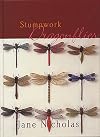
After taking some classes with Jane, I felt ready to read her books. And I have a design I want to do, with a dragonfly in it. So I sat down with this book this evening.
As prelude to her stumpwork designs, she discusses, and provides examples, of dragonflies as design elements in English needlework back to the 16th century. She took pattern books, and interpreted their designs in thread. Then she talked about the natural history of dragonflies and damsel flies, and the parts of their show more bodies. And then she talks of the many ways one can create a thorax, an abdomen, a head, and wings. Some of her examples were stitched using unique materials, and she does not suggest that the reader go out and buy, for instance, emu-skin (which she did use on one dragonfly), but rather to explore the materials available.
An excellent historical and practical overview of embroidery and dragonflies, followed then by the practical methods of creating stumpwork examples. Recommended. show less
As prelude to her stumpwork designs, she discusses, and provides examples, of dragonflies as design elements in English needlework back to the 16th century. She took pattern books, and interpreted their designs in thread. Then she talked about the natural history of dragonflies and damsel flies, and the parts of their show more bodies. And then she talks of the many ways one can create a thorax, an abdomen, a head, and wings. Some of her examples were stitched using unique materials, and she does not suggest that the reader go out and buy, for instance, emu-skin (which she did use on one dragonfly), but rather to explore the materials available.
An excellent historical and practical overview of embroidery and dragonflies, followed then by the practical methods of creating stumpwork examples. Recommended. show less
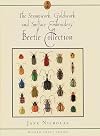
A fantastic book for the advanced beetle-loving embroiderer. This may be a small audience, but it's a wonderful book--from the research on the inspiration insects, through to the instructions and projects using stumpwork, goldwork, crewel, beading, and applique techniques.
I'll update this review when I've tackled my first beetle project--soon!
Edited to add: I've finished my last stumpwork beetle last night--the ladybug--and I can now say that the instructions are clear, the measurements and show more diagrams are accurate and make sense, and the project worked. show less
I'll update this review when I've tackled my first beetle project--soon!
Edited to add: I've finished my last stumpwork beetle last night--the ladybug--and I can now say that the instructions are clear, the measurements and show more diagrams are accurate and make sense, and the project worked. show less
You May Also Like


Statistics
- Works
- 11
- Members
- 827
- Popularity
- #30,853
- Rating
- 4.7
- Reviews
- 15
- ISBNs
- 18
