

John Brady (1) (1955–)
Author of A Stone of the Heart
For other authors named John Brady, see the disambiguation page.
Series
Works by John Brady
Tagged
Common Knowledge
Members
Reviews
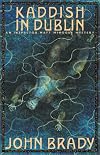
Death by dialogue--no Gary Cooper/Clint Eastwood cops, these. Words cajole and banter as the head inspector (traditional, tough, tea-drinking guy ) gives and takes with his younger upstart understudy, Minogues, (non-believer, feminist leanings, coffee man). He jousts words with his wife and daughter. The police chief "God Almighty" spits it out with everyone. (And so on and on for all characters in Dublin, except for two dead ones.)
But, that once sparkling city--at least it was in my show more mind--has been smeared over badly in the pages here. After reading the book, my wife said "Let's not go there." I am not so sure--you gotta show the underbelly when writing modern crime, but there seem to be few top cuts left to Dublin, at least for this writer.
But five stars for Brady, if only for his characters. I need to know Brady better. And maybe skip Dublin. show less
But, that once sparkling city--at least it was in my show more mind--has been smeared over badly in the pages here. After reading the book, my wife said "Let's not go there." I am not so sure--you gotta show the underbelly when writing modern crime, but there seem to be few top cuts left to Dublin, at least for this writer.
But five stars for Brady, if only for his characters. I need to know Brady better. And maybe skip Dublin. show less

Brady just keeps getting better and better. the voice of his fourth policeman, inspector Matt Minogue of the Garda, even in the third person, is here pretty much part of his stream of consciousness, and he's thinking as much about his own family, and the people he works with and for, and the state of the land he walks, as he is about the case at hand.
his famously difficult artist daughter Iseult, now heavily pregnant, is publicly showing an artwork depicting The Holy Family wrapped in show more barbed wire, and Minogue keeps glancing off just what she's delivering with that message. in county Mayo there's a dig called Carra Fields that might be two millennia older than the first pyramids. meanwhile there's endless banter about the accents and common features of all the provinces and counties. and there are endlessly droll exchanges with his colleagues, on art and politics and heritage, mostly delivered in deadpan rounds so pointed that Flann O'Brien would have been pleased to have written them, and Minogue seems to live in his territory anyhow, right down to the cruiskeen lawn.
the writing is so lyrical, you can hear the lilt of all those country accents colliding, declaiming, harmonies rising, until the flatter tones of the North American speakers only seem to define the differences in method and tone and thinking as they're read by a country of poets. who may or may not be so much lost as displaced in time from a possibly-mythical peaceful kingdom that came before all the patriarchal heroes, here represented as the lands and family of a prehistoric Carra king.
which may be the country of Minogue's dreams, but not so much the one he's got. but anyhow Minogue thinks of this less as science than as grafted story: the tendency of the Irish to reinvent themselves at every turn. but whose turn is this? and in his own story, he has difficulty finding his road, or claiming a rightaway; the case develops as a set of roadblocks to knock down. in spite of politics, flu, a pretty comprehensive coverup, and all these killer asides that try to divert him from the subject at hand, Minogue pursues his case single-mindedly, shot at and lied to and sat on until he finally loses his temper, continuing till the whole affair at last comes clear.
so in the tradition of the Carra king, and like another ancient king he knows called Sisyphus, Minogue too finds himself taking the measure of heavy stones with an eye to rolling them up to the crown of the hill, asserting his sovereign claim to deal, only to find the weight of them rolling back down on him again. Minogue the king of nothing much in a more dangerous and confusing time, bogged down and isolated, rules as he must both in and out of time on landscape, family, survival, and justice. show less
his famously difficult artist daughter Iseult, now heavily pregnant, is publicly showing an artwork depicting The Holy Family wrapped in show more barbed wire, and Minogue keeps glancing off just what she's delivering with that message. in county Mayo there's a dig called Carra Fields that might be two millennia older than the first pyramids. meanwhile there's endless banter about the accents and common features of all the provinces and counties. and there are endlessly droll exchanges with his colleagues, on art and politics and heritage, mostly delivered in deadpan rounds so pointed that Flann O'Brien would have been pleased to have written them, and Minogue seems to live in his territory anyhow, right down to the cruiskeen lawn.
the writing is so lyrical, you can hear the lilt of all those country accents colliding, declaiming, harmonies rising, until the flatter tones of the North American speakers only seem to define the differences in method and tone and thinking as they're read by a country of poets. who may or may not be so much lost as displaced in time from a possibly-mythical peaceful kingdom that came before all the patriarchal heroes, here represented as the lands and family of a prehistoric Carra king.
which may be the country of Minogue's dreams, but not so much the one he's got. but anyhow Minogue thinks of this less as science than as grafted story: the tendency of the Irish to reinvent themselves at every turn. but whose turn is this? and in his own story, he has difficulty finding his road, or claiming a rightaway; the case develops as a set of roadblocks to knock down. in spite of politics, flu, a pretty comprehensive coverup, and all these killer asides that try to divert him from the subject at hand, Minogue pursues his case single-mindedly, shot at and lied to and sat on until he finally loses his temper, continuing till the whole affair at last comes clear.
so in the tradition of the Carra king, and like another ancient king he knows called Sisyphus, Minogue too finds himself taking the measure of heavy stones with an eye to rolling them up to the crown of the hill, asserting his sovereign claim to deal, only to find the weight of them rolling back down on him again. Minogue the king of nothing much in a more dangerous and confusing time, bogged down and isolated, rules as he must both in and out of time on landscape, family, survival, and justice. show less

Excellent police procedural that takes place in and around Dublin and the Burren, a rocky land in the west of Ireland. Inspector Matt Minogue describes it this way: “ Not enough earth to bury a man. Not enough timber to hang him. Not enough water to drown him.” Yet the monks who founded Corcomroe Abbey in the 12th century blessed it, “Holy Mary of the fertile rock.”
Matt, who was raised in the area on a farm he has few ties but family to, is called back by his family to look into his show more nephew’s legal problems. The book, which was written in 1992,, reveals the fractures of Ireland and the tension between rural and city, that, I suppose, exists just about everywhere. Eoin, Matt’s nephew, proclaims, “T’was the country people brought us our freedom in ‘21. The people of Clare and plenty more that won our land back from the landlords in Parnell’s day. We took pikes in our hands when we had no guns. We deserve every blade of grass that’s under our feet.”
Ostensibly on holiday, Matt’s investigation into the trial and sentencing of Jamey Bourke. Bourke had set fire to his girlfriend’s house hoping she would run out into his arms. Instead she was trapped and died. Supposedly on medication, Bourke has been released, but he has his own agenda. Matt’s investigation is hampered by the attempted suicide of his sergeant and the conflict between The Garda Commissioner Tynan, the local Garda Superintendent, Tom Russell, and Minogues boss Kilmartin on the national murder squad. Each has his own reasons for wanting the other to wind up with mud on his face and Minogue’s quasi-investigation into the shotgun death of Bourke by a German national wanting to buy up local land bring tourism to the area. Then there are the tensions caused by an IRA arms clash and the desire of the local superintendent to ask for “new commando type outfits to patrol the place. The ones trained to eat their children and run through walls with their heads.” It doesn’t help that Eoin is suspected of IRA sympathies. (Remember this was written in 1990 or so.) The investigation soon becomes intertwined with an IRA plot and police corruption. A very Irish book.
Some lovely Irish words and pronunciations: iijit, bejasus, smucking fart.
Marvelous writing and story. It was also fun to mentally revisit some of the wonders of Ireland from our trip last summer. show less
Matt, who was raised in the area on a farm he has few ties but family to, is called back by his family to look into his show more nephew’s legal problems. The book, which was written in 1992,, reveals the fractures of Ireland and the tension between rural and city, that, I suppose, exists just about everywhere. Eoin, Matt’s nephew, proclaims, “T’was the country people brought us our freedom in ‘21. The people of Clare and plenty more that won our land back from the landlords in Parnell’s day. We took pikes in our hands when we had no guns. We deserve every blade of grass that’s under our feet.”
Ostensibly on holiday, Matt’s investigation into the trial and sentencing of Jamey Bourke. Bourke had set fire to his girlfriend’s house hoping she would run out into his arms. Instead she was trapped and died. Supposedly on medication, Bourke has been released, but he has his own agenda. Matt’s investigation is hampered by the attempted suicide of his sergeant and the conflict between The Garda Commissioner Tynan, the local Garda Superintendent, Tom Russell, and Minogues boss Kilmartin on the national murder squad. Each has his own reasons for wanting the other to wind up with mud on his face and Minogue’s quasi-investigation into the shotgun death of Bourke by a German national wanting to buy up local land bring tourism to the area. Then there are the tensions caused by an IRA arms clash and the desire of the local superintendent to ask for “new commando type outfits to patrol the place. The ones trained to eat their children and run through walls with their heads.” It doesn’t help that Eoin is suspected of IRA sympathies. (Remember this was written in 1990 or so.) The investigation soon becomes intertwined with an IRA plot and police corruption. A very Irish book.
Some lovely Irish words and pronunciations: iijit, bejasus, smucking fart.
Marvelous writing and story. It was also fun to mentally revisit some of the wonders of Ireland from our trip last summer. show less
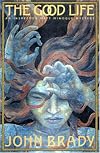
Inspector Minogues and his boss no longer engage in Irish banter. They attack. The fun of Kaddish is missing. The detectives' back and forth is no longer a spectator sport for us readers, it is simply tiring.
Also, Brady pulls one on you. Near the end, he hides important decisions, something he does not do in earlier chapters. So the ending sneaks up on you if you are not careful.
Finally the twin caper seemed like a long-planned, well-drained twist. As though, the plot were in the drivers show more seat. You expect the characters and their Irish rants to drive Brady's books. At least I do.
But I liked it. The characters all lived and I look forward to my next murder with Brady. show less
Also, Brady pulls one on you. Near the end, he hides important decisions, something he does not do in earlier chapters. So the ending sneaks up on you if you are not careful.
Finally the twin caper seemed like a long-planned, well-drained twist. As though, the plot were in the drivers show more seat. You expect the characters and their Irish rants to drive Brady's books. At least I do.
But I liked it. The characters all lived and I look forward to my next murder with Brady. show less
Lists
Awards


You May Also Like


Statistics
- Works
- 11
- Members
- 492
- Popularity
- #50,225
- Rating
- 3.3
- Reviews
- 12
- ISBNs
- 103