
David Simon (1) (1960–)
Author of Homicide: A Year on the Killing Streets
For other authors named David Simon, see the disambiguation page.
Series
Works by David Simon
Treme (Seasons 3-4) 1 copy
Treme (Seasons 1-2) 1 copy
Associated Works
The Art of Fact: A Historical Anthology of Literary Journalism (1997) — Contributor — 226 copies, 1 review
Tagged
Common Knowledge
- Legal name
- Simon, David Judah
- Birthdate
- 1960-02-09
- Gender
- male
- Education
- University of Maryland
- Occupations
- writer
journalist
producer - Organizations
- Baltimore Sun
- Relationships
- Lippman, Laura (spouse)
- Nationality
- USA
- Birthplace
- Washington, D.C., USA
- Places of residence
- Washington, D.C., USA
Baltimore, Maryland, USA - Associated Place (for map)
- USA
Members
Reviews
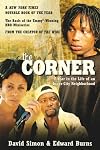
How can I describe The Corner? How can I do justice to this heartbreaking book? You know David Simon and Ed Burns as the creative force behind The Wire. This non-fiction book is the truth behind the television, a revealing portrait of a broken family living at one of the worst drug corners in West Baltimore. Dope and coke are sold 24/7, violence is omnipresent, and the pursuit of drug-induced happiness has made life and liberty seem as distant as the moon.
Gary McCollough is a former show more businessman turned dopehound, a street philosopher who's basic decency and inability to hurt anyone else means that he's a perennial victim. Fran, his ex-wife, has buried her own life in the needle. Their son, DeAndre, is fifteen, caught between boyhood posing and the awful realities of life on the corner. Other characters round out the neighborhood. Ella Thompson volunteers at the rec center, one of the last honest citizens left. Fat Curt is an old veteran of addiction, his organs failing and limbs swollen, who has no where else to go. Blue runs a shooting gallery in the shell of his dead mother's house.
In this year long story, Simon and Burns follow their subjects, painting revealing portraits of bare humanity under the twin weights of drugs and a society that has abandoned any sense of responsibility towards the ghettos. The first rule of the corner is chasing the blast, that rush of pleasure from the the drug and relief from the snake of withdrawal symptoms, and a moment of blessed escape away from the grind of life. And life, life is absolutely grinding. It's an endless series of scams and being scammed to get money for the dope. It's getting beat on by other crews, by your friends and family, by the police. It's overloaded systems of public services, education, justice, healthcare, that can barely manage to cart the bodies away, let alone help anyone.
Simon and Burns are at their best when they're talking about hopelessness, and the things that lift their subject past it. Corner life is lived entirely in present tense. Even a plan as simple as "I'll buy a loaf of bread to have toast tomorrow" is void in the face of junkie roommates. The effort required to get clean, a months long ordeal to get a rehab slot in the face of requests for documents, court dates, and the blast itself, is a fragile thread, let alone the effort of staying clean when drugs are easier to get than coffee. The most tragic parts of the book concern DeAndre, a smart kid who's almost entirely given up on school, but doesn't have the brutality and fearlessness it takes to make it as a gangster. At 15, DeAndre impregnates his 13 year old girlfriend Tyreeka. Neither of them are in any sense ready to be parents, but the baby provides a focus for a girl who's not sure that she matters to anyone, and a sense of immortality for boy who sees only a little bit of life ahead.
At times, Simon devolves into a general rant at the War on Drugs, and the false hope that 30 years of brutality can win against the corner, against the raw desire for oblivion in our midst. And now, 25 years on, the drug war is much the same. With the Opioid Epidemic, the Corner is now in white America too. As I hit 'save' on this review, President Trump plans to release a drug plan that includes death for drug dealers.
Screw it. Down the flag. Let the dealers and the junkies hold a parade down the National Mall. Throw some samplers to the crowd, because That Shit Is The Bomb. Drugs won. War over. show less
Gary McCollough is a former show more businessman turned dopehound, a street philosopher who's basic decency and inability to hurt anyone else means that he's a perennial victim. Fran, his ex-wife, has buried her own life in the needle. Their son, DeAndre, is fifteen, caught between boyhood posing and the awful realities of life on the corner. Other characters round out the neighborhood. Ella Thompson volunteers at the rec center, one of the last honest citizens left. Fat Curt is an old veteran of addiction, his organs failing and limbs swollen, who has no where else to go. Blue runs a shooting gallery in the shell of his dead mother's house.
In this year long story, Simon and Burns follow their subjects, painting revealing portraits of bare humanity under the twin weights of drugs and a society that has abandoned any sense of responsibility towards the ghettos. The first rule of the corner is chasing the blast, that rush of pleasure from the the drug and relief from the snake of withdrawal symptoms, and a moment of blessed escape away from the grind of life. And life, life is absolutely grinding. It's an endless series of scams and being scammed to get money for the dope. It's getting beat on by other crews, by your friends and family, by the police. It's overloaded systems of public services, education, justice, healthcare, that can barely manage to cart the bodies away, let alone help anyone.
Simon and Burns are at their best when they're talking about hopelessness, and the things that lift their subject past it. Corner life is lived entirely in present tense. Even a plan as simple as "I'll buy a loaf of bread to have toast tomorrow" is void in the face of junkie roommates. The effort required to get clean, a months long ordeal to get a rehab slot in the face of requests for documents, court dates, and the blast itself, is a fragile thread, let alone the effort of staying clean when drugs are easier to get than coffee. The most tragic parts of the book concern DeAndre, a smart kid who's almost entirely given up on school, but doesn't have the brutality and fearlessness it takes to make it as a gangster. At 15, DeAndre impregnates his 13 year old girlfriend Tyreeka. Neither of them are in any sense ready to be parents, but the baby provides a focus for a girl who's not sure that she matters to anyone, and a sense of immortality for boy who sees only a little bit of life ahead.
At times, Simon devolves into a general rant at the War on Drugs, and the false hope that 30 years of brutality can win against the corner, against the raw desire for oblivion in our midst. And now, 25 years on, the drug war is much the same. With the Opioid Epidemic, the Corner is now in white America too. As I hit 'save' on this review, President Trump plans to release a drug plan that includes death for drug dealers.
Screw it. Down the flag. Let the dealers and the junkies hold a parade down the National Mall. Throw some samplers to the crowd, because That Shit Is The Bomb. Drugs won. War over. show less
Easily the best chronicle of the homicide detective written by a non-practitioner that I have come across so far. It's not that Baltimore produces more, or more interesting, or more peculiar, or more heinous murders than other places. It doesn't. The death described here ranges from standard gangland warfare and drug killings to the horrific murder of a small girl--and you will find these sorts of things in the memoirs of detectives from all over the land (sadly). What makes this book so show more good is the biographies of the people involved, the defense mechanisms of the detectives to get through their days and nights, the challenges of a large bureaucracy, the idiosyncrasies of the real genius detectives working some of these cases, and all the other minutiae that living amongst a group of elite detectives for a year allows one to see. A joy from beginning to end--worth the time it takes to read and digest! show less
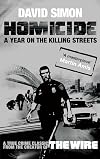
A journalist spends a year with Baltimore homicide detectives and ends up writing quite simply one of the best books I've ever read. Up there with HST's Hell's Angels or Mailer's The Fight in demonstrating that at it's peak journalism becomes art. This recent re-issue is particularly good because of the Post Mortem at the end where Simon explains the background to the book and what has happened since. It goes without saying that any fan of The Wire or Homicide: Life On The Streets should show more read it (and if you are not a fan of The Wire I doubt your sentience), but it should also be read by any fan of crime fiction or by anyone interested in US politics and culture. show less
I had to wait a few days after finishing this book to write anything about it, because it didn't seem like any part of my reaction really did it justice, or would be worthy enough to record without cheapening the book. It's unquestionably one of the most powerful books I've read in a long time, and knowing that it's nonfiction - that all these people really did exist and really did do the things it describes - makes me pause. Very few books make me think about my own relationship to the text show more to the extent that The Corner did. Maybe it's because it's about real life, that Baltimore and so many other inner cities are really suffering in this way in my own country right now that makes it hit so much harder than, say, the equivalent suffering in a Zola novel. While I think America is a great place to live and has towering advantages over many other countries in many things, I think its greatest failing, at heart, is a willingness to simply look the other way at real human suffering if caring about it would cost money.
The quote from Kafka that opens up the book, which also later made an appearance in season 5 of Simon's TV series The Wire - "You can hold back from the suffering of the world. You have free permission to do so, and it is in accordance with your nature. But perhaps this very holding back is the one suffering you could have avoided." - sums up what I want to say about my personal and our collective attitude towards the corner perfectly. I'm not exactly sure what drives David Simon to delve so deeply into the lives of these people and all the others he's featured on his shows or in his books; he'd probably say that, contra the Kafka quote, holding back is the one thing he can't do. He immersed himself in the lives of Ella, Fran, Gary, DeAndre, and the many other people with smaller roles for well over a year, connecting their joys and heartbreaks, their own pieces of the "suffering of the world", into an immensely affecting work for public consumption. If you've seen The Wire then all this will be very familiar, but it's worth looking at this material through a new medium, particularly because its diligent, searching explorations of the individual people's lives is much more focused on the ground-level day-to-day struggles to stay clean or get a new fix or get a job or keep a job than the panoramic sweep of the show. I'm not sure which of the main characters has the most painful story, but each was gripping.
Periodically Simon will interrupt the narrative to go into extended rants on how exactly we've gotten ourselves trapped in this endless drug war and cycle of poverty. This book was written in the early 90s before the decrease in crime rates, but his moving analyses of the vicious logic of drug use and drug crime remain perfectly relevant, especially in a city like Baltimore. The real question for me is: after reading an amazing work like this, what am I going to do about it? I can continue not being a heroin addict, but I don't know what I can do about the nightmare vortex portrayed here. The corner has an internal logic all its own, and I'm not sure that there's much I can do about it other than to support the end of this pointless Reaganeering that has hollowed out our cities and ruined millions of lives. Like Simon said through The Wire, you can't call it a war on drugs - wars end. The challenge that our society faces is how to admit defeat and begin the long, painful process of making sure that the kind of life pictured here becomes just fiction again. Any ideas? show less
The quote from Kafka that opens up the book, which also later made an appearance in season 5 of Simon's TV series The Wire - "You can hold back from the suffering of the world. You have free permission to do so, and it is in accordance with your nature. But perhaps this very holding back is the one suffering you could have avoided." - sums up what I want to say about my personal and our collective attitude towards the corner perfectly. I'm not exactly sure what drives David Simon to delve so deeply into the lives of these people and all the others he's featured on his shows or in his books; he'd probably say that, contra the Kafka quote, holding back is the one thing he can't do. He immersed himself in the lives of Ella, Fran, Gary, DeAndre, and the many other people with smaller roles for well over a year, connecting their joys and heartbreaks, their own pieces of the "suffering of the world", into an immensely affecting work for public consumption. If you've seen The Wire then all this will be very familiar, but it's worth looking at this material through a new medium, particularly because its diligent, searching explorations of the individual people's lives is much more focused on the ground-level day-to-day struggles to stay clean or get a new fix or get a job or keep a job than the panoramic sweep of the show. I'm not sure which of the main characters has the most painful story, but each was gripping.
Periodically Simon will interrupt the narrative to go into extended rants on how exactly we've gotten ourselves trapped in this endless drug war and cycle of poverty. This book was written in the early 90s before the decrease in crime rates, but his moving analyses of the vicious logic of drug use and drug crime remain perfectly relevant, especially in a city like Baltimore. The real question for me is: after reading an amazing work like this, what am I going to do about it? I can continue not being a heroin addict, but I don't know what I can do about the nightmare vortex portrayed here. The corner has an internal logic all its own, and I'm not sure that there's much I can do about it other than to support the end of this pointless Reaganeering that has hollowed out our cities and ruined millions of lives. Like Simon said through The Wire, you can't call it a war on drugs - wars end. The challenge that our society faces is how to admit defeat and begin the long, painful process of making sure that the kind of life pictured here becomes just fiction again. Any ideas? show less
Lists
Awards


You May Also Like


Associated Authors
Statistics
- Works
- 23
- Also by
- 4
- Members
- 4,306
- Popularity
- #5,827
- Rating
- 4.3
- Reviews
- 77
- ISBNs
- 172
- Languages
- 8
- Favorited
- 8
