

Carol Lerner
Author of Butterflies in the Garden
About the Author
Works by Carol Lerner
Forest year 1 copy
Associated Works
Tagged
Common Knowledge
- Gender
- female
- Nationality
- USA
- Places of residence
- Chicago, Illinois, USA
- Associated Place (for map)
- Illinois, USA
Members
Reviews
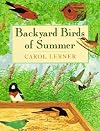
Lerner does a fabulous job of motivating readers of all ages to want to get involved with birds. The pictures are life-size and clear and pretty, perfect for preschoolers to start becoming aware. On the other hand, some of the facts are new even to me, and I grew up with avid birders. The writing is clear and friendly, mentioning for example the 'sweet tooth' of orioles. (Of course birds have no teeth; it's just a fun expression.
Fortunately plenty of mentions are made of things that are in show more flux, and the reasons why, so readers can be open-minded when they see a newer guide that contradicts this one. Unfortunately, this is dated, and a serious reader does want to seek a newer book. Habitat ranges definitely change, for a lot of reasons. Clearing the forests helps some birds, hurts others. Northern orioles are separated out again into Bullock's and Baltimore. Indigo and Lazuli buntings are considered separate species but do interbreed where their ranges overlap.
There are also special aids to identification. Eastern phoebes can be recognized by their tail-wagging habit. Scarlet tanager males molt after nesting season, becoming first patchwork red and olive, then all olive like the females.
Etc. Rich resource; recommended to all, not just the 9-12 year-olds it's aimed at. show less
Fortunately plenty of mentions are made of things that are in show more flux, and the reasons why, so readers can be open-minded when they see a newer guide that contradicts this one. Unfortunately, this is dated, and a serious reader does want to seek a newer book. Habitat ranges definitely change, for a lot of reasons. Clearing the forests helps some birds, hurts others. Northern orioles are separated out again into Bullock's and Baltimore. Indigo and Lazuli buntings are considered separate species but do interbreed where their ranges overlap.
There are also special aids to identification. Eastern phoebes can be recognized by their tail-wagging habit. Scarlet tanager males molt after nesting season, becoming first patchwork red and olive, then all olive like the females.
Etc. Rich resource; recommended to all, not just the 9-12 year-olds it's aimed at. show less
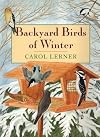
The second book I've read by Lerner, and it won't be my last. I love how thorough, but at the same time easy to read & understand, this book is. Clear & lovely pictures that vividly show what the beginning birdwatcher in the USA will see, with text and maps to help enhance understandings of each bird and family. Tight focus, as the cover promises, on common feeder birds - not a full guide that includes waterfowl or birds of prey or birds more common in summer or smaller regions. Also show more includes a good explanation of what kinds of food, water, etc., to provide, as well as a bibliography and index.
Note that there is a controversy, that feeding birds has become frowned upon in some circumstances. Please consider whether you might be feeding parasitical cowbirds or changing the behavior of migratory birds if you do choose to feed them, and keep your feeder clean. Read at least these two articles to get an idea of the arguments against feeding:
http://www.monolake.org/about/birdfeeding.pdf
http://www.economist.com/blogs/babbage/2010/12/ecology show less
Note that there is a controversy, that feeding birds has become frowned upon in some circumstances. Please consider whether you might be feeding parasitical cowbirds or changing the behavior of migratory birds if you do choose to feed them, and keep your feeder clean. Read at least these two articles to get an idea of the arguments against feeding:
http://www.monolake.org/about/birdfeeding.pdf
http://www.economist.com/blogs/babbage/2010/12/ecology show less
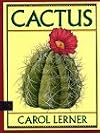
I decided to check this out because I recently got a Succulent as a gift. I have cactus pajamas, cactus earrings, and a miniature cactus figurine on my counter. However, I know absolutely nothing about cacti. Reading this book was helpful, as it is loaded with useful information. I learned that many times what I'm thinking is a cactus, is just its thick, leafless stem. I also now understand how they have flowers! I always thought it was cute, but never could make sense of it. I also never show more knew that many cacti do not live in dry areas. I would not purchase this book, but I do believe I need some books in my classroom about plants and flowers. I have many books about animals, and hardly none about plants. show less
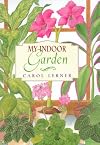
This book along with its twin, My backyard Garden, beautifully allow young readers to get the experience of using informational text in the form of instructions to help them construct their own personal gardens. The clear and direct illustrations make this book a winner for parents, teachers and young gardeners everywhere.
Awards


You May Also Like


Associated Authors
Statistics
- Works
- 20
- Also by
- 2
- Members
- 943
- Popularity
- #27,255
- Rating
- 3.7
- Reviews
- 14
- ISBNs
- 41
- Languages
- 1
- Favorited
- 1