
Alan Marshall (3) (1969–)
Author of Ecotopia 2121: A Vision for Our Future Green Utopia?in 100 Cities
For other authors named Alan Marshall, see the disambiguation page.
Works by Alan Marshall
Tagged
Common Knowledge
- Birthdate
- 1969
- Gender
- male
- Occupations
- academic
ecologist - Organizations
- Mahidol University, Bangkok, Thailand
- Nationality
- New Zealand
- Associated Place (for map)
- New Zealand
Members
Reviews
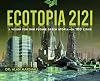
Interesting ideas with a patchy execution: some of the artwork is sensational, some pedestrian (though, obviously, that's eco-friendly); some of the scenarios fascinating, some silly. However, as Marshall says in his conclusion, the point of the utopian concept is about challenging the status quo and provoking thought, rather than providing a definitive blueprint for a future society, which, to be fair, he does achieve.
The scenarios are largely extrapolated from an historical and current show more point, which provides an insight into a lot of the shortsightedness and corruption of politicians and policy-makers around the world. Many of the ecotopia's Marshall presents are organically developed by citizens in the aftermath of some kind of catastrophe, whether economic, environmental or technological. There is something in this view about the resiliance of the human spirit, but he does leven his optimism with examples of the kind of human stupidity that can elect climate-change deniers into the most powerful seats of government at a time when low-lying Pacific islands are already being wiped of the map by rising levels. show less
The scenarios are largely extrapolated from an historical and current show more point, which provides an insight into a lot of the shortsightedness and corruption of politicians and policy-makers around the world. Many of the ecotopia's Marshall presents are organically developed by citizens in the aftermath of some kind of catastrophe, whether economic, environmental or technological. There is something in this view about the resiliance of the human spirit, but he does leven his optimism with examples of the kind of human stupidity that can elect climate-change deniers into the most powerful seats of government at a time when low-lying Pacific islands are already being wiped of the map by rising levels. show less
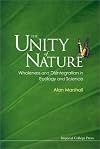
Mostly useless, and hopelessly past its sell-by date - the empire has struck back, and postmodernism (the (il)logic of late capitalism - Jameson is still right) is no match for it. Good for its take-down of Lovelock, but offers such a ludicrous alternative way of thinking about nature ("postmodern associationism" - now there's a term bound to leap to your lips) that I hope it will remain rightly ignored. Why don't those who are so concerned about developing non-hegemonic concepts of nature show more ever take indigenous peoples' philosophies seriously enough to examine them? As the only human societies that have ever existed in a relatively stable and harmonious state within their surrounding ecosystems, you'd think they would be an obvious choice. Vine Deloria, Jr tried to make this case for decades, but the academy continues to stick its silly postmodern fingers in its ears. show less
Lists
Statistics
- Works
- 4
- Members
- 21
- Popularity
- #570,575
- Rating
- 2.8
- Reviews
- 2
- ISBNs
- 150
- Languages
- 8