

F. S. Smythe (1900–1949)
Author of The Valley of Flowers: An Adventure in the Upper Himalaya
About the Author
Works by F. S. Smythe
Peaks and valleys, by F. S. Smythe; with seventy-six reproductions of photographs by the author (1938) 4 copies
Rocky Mountains 2 copies
The spirit of the hills 2 copies
Climbs and Ski Runs 1 copy
The Valley of Flowers 1 copy
Peaks And Valleys. 1 copy
Over Welsh hills 1 copy
The spirit to the hills 1 copy
Camp Six 1 copy
A camera in the hills 1 copy
The mountain vision 1 copy
Over Tyrolese hills 1 copy
Edward Whymper 1 copy
Mountaineering holiday 1 copy
British mountaineers 1 copy
Kamet Conquered 1 copy
The Valley of Flowers 1 copy
Snow on the hills 1 copy
The mountain scene 1 copy
My Alpine album 1 copy
Mountains in colour 1 copy
Peaks and valleys 1 copy
Over Welsh hills 1 copy
Swiss winter 1 copy
Alpine ways 1 copy
Associated Works
High: Stories of Survival from Everest and K2 (Adrenaline Books) (1998) — Contributor — 131 copies, 2 reviews
Fifty Great Adventures that Thrilled the World — Contributor — 5 copies
Tagged
Common Knowledge
- Legal name
- Smythe, Francis Sydney
- Other names
- Smythe, Frank
Smythe, Frank S. - Birthdate
- 1900-07-06
- Date of death
- 1949-06-27
- Gender
- male
- Education
- Berkhamsted School
Farraday House Electrical Engineering College - Occupations
- RAF officer
mountaineer
photographer
botanist
scout - Organizations
- Royal Geographical Society
Lovat Scouts (training officer)
RAF (officer) - Nationality
- UK
- Associated Place (for map)
- UK
Members
Reviews
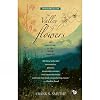
“The Valley of the Flowers” is a wonderful book by Frank S. Smythe, which chronicles his 1937 expedition to a remote alpine valley in today’s Uttarakhand. Or, was in Uttarakhand!
The narrative includes the ascent of peaks such as Nilgiri Parbat and Mana Peak, as well as a failed attempt on Mount Rataban. I had not heard of these peaks until I read the books.
In his book, Frank Smythe dwells on botanical explorations, with detailed descriptions of the flora in the region.
If Frank show more Smythe had only focused on the expedition, I may have only considered the book to be ‘merely good.’ But his introspection on nature, economic development, human nature, cloud movement, isolation, companionship, and fellowship elevate this book and make it outstanding.
While his writing is dry and the style is perfect, the book’s underlying theme is a deep connection with nature, and it is deeply spiritual in a manner few theologians can understand.
Read the book, and rediscover the spiritual connection between humans and nature. Read the book to discover simple wisdom in those we consider ‘humble and unlettered’ people.
Read the book slowly and savor every word. You will not regret buying this book. show less
The narrative includes the ascent of peaks such as Nilgiri Parbat and Mana Peak, as well as a failed attempt on Mount Rataban. I had not heard of these peaks until I read the books.
In his book, Frank Smythe dwells on botanical explorations, with detailed descriptions of the flora in the region.
If Frank show more Smythe had only focused on the expedition, I may have only considered the book to be ‘merely good.’ But his introspection on nature, economic development, human nature, cloud movement, isolation, companionship, and fellowship elevate this book and make it outstanding.
While his writing is dry and the style is perfect, the book’s underlying theme is a deep connection with nature, and it is deeply spiritual in a manner few theologians can understand.
Read the book, and rediscover the spiritual connection between humans and nature. Read the book to discover simple wisdom in those we consider ‘humble and unlettered’ people.
Read the book slowly and savor every word. You will not regret buying this book. show less

A book of black-and-white photographs of snowy mountains? What interest could that possibly have for today's digital age, when the author is writing about a time when panchromatic film (i.e. black-and-white film that was sensitive to all the colours of the spectrum and rendered their tones accurately) was still a novelty, and cameras were still sensitive instruments that needed care and some knowledge in their use?
Well, the knowledge in this book should not be forgotten. The author was show more considered one of the top mountaineers and photographers of his day, and shares his knowledge and experience about composition and exposure in this book. Snow is notoriously difficult to expose properly; and although we no longer have the problems of reciprocity failure in film and print developing, digital sensors produce their own problems when photographing bright subjects. The advice in this book is helpful in suggesting techniques that can be adapted to modern equipment. show less
Well, the knowledge in this book should not be forgotten. The author was show more considered one of the top mountaineers and photographers of his day, and shares his knowledge and experience about composition and exposure in this book. Snow is notoriously difficult to expose properly; and although we no longer have the problems of reciprocity failure in film and print developing, digital sensors produce their own problems when photographing bright subjects. The advice in this book is helpful in suggesting techniques that can be adapted to modern equipment. show less

Smythe crosses Switzerland in the run up to the second world war. We get a glimpse of the mindset which led to the conflict. Smythe recaps past glories, perhaps anticipating his own involvement and possible demise in the upcoming war. Beautiful writing from the Master.

Smythe gets a call in 1940 from some propaganda johnnie: "look here Francis, we need get people thinking about the good times, give them something to hope for." So he takes his camera to the Snowdon area, wanders around for a week, then throws together 50 pages of text and 50 b&w photos, hands them in, and A&C Black bring out this wonderfully printed and bound coffee table book. Apart from the aimless narrative, Smythe recycles anecdotes from previous works. All the same this is a nice book show more to have in your collection. show less
You May Also Like


Associated Authors
Statistics
- Works
- 58
- Also by
- 5
- Members
- 500
- Popularity
- #49,492
- Rating
- 3.5
- Reviews
- 14
- ISBNs
- 26
- Languages
- 2
- Favorited
- 1