
Akiko Yosano (1878–1942)
Author of Tangled Hair : Selected Tanka from Midaregami
About the Author
Yosano's romantic verse and concern for the welfare of the individual inspired her contemporaries and generations of later poets. While later feminist writers felt the need to abandon their traditional roles in order to write, Yosano felt that her love affair and eventual marriage with her teacher show more of tanka (Yosano Tekkan), her raising of 11 children, and her life as a homemaker and mother stimulated her creativity. (Bowker Author Biography) show less
Image credit: Public Domain (Wikipedia)
Works by Akiko Yosano
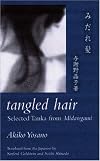
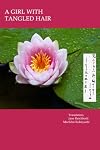
A Girl with Tangled Hair: The 399 tanka in Midaregami ? Tangled Hair by Akiko Yosano (2013) — Author — 8 copies, 1 review
The Poetry of Yosano Akiko 4 copies
Associated Works
World Poetry: An Anthology of Verse from Antiquity to Our Time (1998) — Contributor — 499 copies, 2 reviews
Das Magazin 1984, Nr. 8 — Contributor — 2 copies
Tagged
Common Knowledge
- Canonical name
- Yosano, Akiko
- Legal name
- 與謝野晶子
- Other names
- 鳳志やう
Shō, Hō
与謝野晶子 - Birthdate
- 1878-12-07
- Date of death
- 1942-05-29
- Gender
- female
- Nationality
- Japan
- Birthplace
- Osaka, Japan
- Places of residence
- France
- Place of death
- Tokyo, Japan
- Associated Place (for map)
- Japan
Members
Reviews
''Once an innocent star
in the night sky
that fell into this world
-now a woman
with dishevelled hair.''
''A young woman of twenty
black hair flowing
through her comb.
Proud and beautiful -
the flowering spring!''
Yosano Akiko's 'tangled hair' is an image that plays with the sexual and the daily. Tangled hair may symbolise the years that pass us by. But hair gets tangled in bed, especially long hair. Long black hair. Akiko composes images alive with desire and love. She writes of peonies and spring show more blossoms in an elegant dance with breasts and curves. This is raw female sexuality under the light of the moon and the fragrance of flowers. Naked bodies twist in sheets or linger in steamy baths, hair clinging damply, petals scattered, everything glowing under the moon's soft light. It's erotic and poetic, celebrating a woman's body and longing without apology, turning disarray into something beautiful and defiant.
Society has us think of a woman's confession of desire, pure, unapologetic desire, as 'sin', 'filth', 'unnatural'. Japanese women poets have challenged stereotypes throughout the centuries and have given birth to poetry that you experience in your soul, centuries later, miles and miles from Japan. Akiko’s work challenged Meiji-era norms of female restraint and self-sacrifice, drawing from earlier poets like Izumi Shikibu but pushing further into explicit, reverent passion.
This collection of tanka poetry by Yosano Akiko took me by surprise. Her poetry reflects the sensuality of Izumi Shikibu in its 'riskier' form. She blends the corporeal with the sensual, and I was fascinated by the lyricism found in almost graphic verses. While the vast majority of the poems are too explicit to post here, this is essential reading for anyone interested in Japanese poetry.
''Tears in her eyes
she asks for sympathy.
Forlorned, I can only
watch the waning moon
reflected on a lonely lake.''
''Inside me
a clear spring
overflows and becomes muddy.
You are a child of sin
and so am I.''
My reviews can also be found on https://theopinionatedreaderblog.wordpress.com show less
in the night sky
that fell into this world
-now a woman
with dishevelled hair.''
''A young woman of twenty
black hair flowing
through her comb.
Proud and beautiful -
the flowering spring!''
Yosano Akiko's 'tangled hair' is an image that plays with the sexual and the daily. Tangled hair may symbolise the years that pass us by. But hair gets tangled in bed, especially long hair. Long black hair. Akiko composes images alive with desire and love. She writes of peonies and spring show more blossoms in an elegant dance with breasts and curves. This is raw female sexuality under the light of the moon and the fragrance of flowers. Naked bodies twist in sheets or linger in steamy baths, hair clinging damply, petals scattered, everything glowing under the moon's soft light. It's erotic and poetic, celebrating a woman's body and longing without apology, turning disarray into something beautiful and defiant.
Society has us think of a woman's confession of desire, pure, unapologetic desire, as 'sin', 'filth', 'unnatural'. Japanese women poets have challenged stereotypes throughout the centuries and have given birth to poetry that you experience in your soul, centuries later, miles and miles from Japan. Akiko’s work challenged Meiji-era norms of female restraint and self-sacrifice, drawing from earlier poets like Izumi Shikibu but pushing further into explicit, reverent passion.
This collection of tanka poetry by Yosano Akiko took me by surprise. Her poetry reflects the sensuality of Izumi Shikibu in its 'riskier' form. She blends the corporeal with the sensual, and I was fascinated by the lyricism found in almost graphic verses. While the vast majority of the poems are too explicit to post here, this is essential reading for anyone interested in Japanese poetry.
''Tears in her eyes
she asks for sympathy.
Forlorned, I can only
watch the waning moon
reflected on a lonely lake.''
''Inside me
a clear spring
overflows and becomes muddy.
You are a child of sin
and so am I.''
My reviews can also be found on https://theopinionatedreaderblog.wordpress.com show less
This complete translation is apparently the work of an enthusiast amateur poet collaborating with a Japanese translator. A comparison with a selection translated by Hiroaki Sato that I have at hand suggests that the quality is mostly fine. Sato's renditions tend to be more energetic and clear-cut, for better or worse.
Footnotes are sporadic and curiously lopsided, ranging from botanical notes and biographical remarks to sudden interpretative explanations of entire poems. Maybe those were the show more translator's favorites?
The edition is bilingual with the original text in one line followed by its romaji transcription and translation in five lines each. I spotted some typos (and inconsistent word spacing) in the transcription; my understanding of Classical Japanese is too rudimentary to be sure the original is Oll Korrect. Gotta be careful using this as CJ study material.
Quality issues notwithstanding, getting to read all of the poems in their original order reveals a constant play of motifs and echoes that vanishes in a selection, and for that alone this edition is worthy reading. show less
Footnotes are sporadic and curiously lopsided, ranging from botanical notes and biographical remarks to sudden interpretative explanations of entire poems. Maybe those were the show more translator's favorites?
The edition is bilingual with the original text in one line followed by its romaji transcription and translation in five lines each. I spotted some typos (and inconsistent word spacing) in the transcription; my understanding of Classical Japanese is too rudimentary to be sure the original is Oll Korrect. Gotta be careful using this as CJ study material.
Quality issues notwithstanding, getting to read all of the poems in their original order reveals a constant play of motifs and echoes that vanishes in a selection, and for that alone this edition is worthy reading. show less


Akiko Yosano, pionera y deslumbrante, en su obra más audaz. La voz femenina más libre del Japón de Meiji, sin cortes ni filtros.Un fenómeno literario que rompió el silencio de las mujeres en su país. Mideragami —o pelo revuelto, símbolo de insumisión y deseo—, es una joya de la poesía japonesa.
Esta cuidada edición, revisada y anotada, recoge un clásico que sigue vigente más de un siglo después.Amor, deseo, libertad, melancolía y belleza lírica en 399 tankas inolvidables. show more La obra más sensual y libre de la gran poeta japonesa Akiko Yosano, una mujer que no pidió permiso para sentir. En una época en la que la voz de las mujeres apenas encontraba espacio, Akiko Yosano alzó la suya con una belleza y una valentía sin precedentes. Midaregami —aquí traducido por primera vez de forma íntegra al castellano— reúne casi cuatrocientos tankas donde deseo, libertad y rebeldía se entrelazan con la delicadeza de una flor y la intensidad de una tormenta.
Publicado originalmente en 1901, este libro marcó una ruptura radical con la poesía japonesa tradicional. Lejos de la contención emocional impuesta a las mujeres, Yosano escribe desde el cuerpo, la pasión, la introspección y la contradicción. Su «cabello revuelto» no solo nombra el desorden amoroso, sino también la insumisión ante un mundo que exige orden y silencio.
Esta edición, traducida y prologada por Beñat Arginzoniz, rescata con fidelidad poética una obra fundacional del feminismo japonés y de la lírica moderna, cuya vigencia resuena más de un siglo después. show less
Esta cuidada edición, revisada y anotada, recoge un clásico que sigue vigente más de un siglo después.Amor, deseo, libertad, melancolía y belleza lírica en 399 tankas inolvidables. show more La obra más sensual y libre de la gran poeta japonesa Akiko Yosano, una mujer que no pidió permiso para sentir. En una época en la que la voz de las mujeres apenas encontraba espacio, Akiko Yosano alzó la suya con una belleza y una valentía sin precedentes. Midaregami —aquí traducido por primera vez de forma íntegra al castellano— reúne casi cuatrocientos tankas donde deseo, libertad y rebeldía se entrelazan con la delicadeza de una flor y la intensidad de una tormenta.
Publicado originalmente en 1901, este libro marcó una ruptura radical con la poesía japonesa tradicional. Lejos de la contención emocional impuesta a las mujeres, Yosano escribe desde el cuerpo, la pasión, la introspección y la contradicción. Su «cabello revuelto» no solo nombra el desorden amoroso, sino también la insumisión ante un mundo que exige orden y silencio.
Esta edición, traducida y prologada por Beñat Arginzoniz, rescata con fidelidad poética una obra fundacional del feminismo japonés y de la lírica moderna, cuya vigencia resuena más de un siglo después. show less
Oct 29, 2025Spanish
Awards


You May Also Like


Associated Authors
Statistics
- Works
- 25
- Also by
- 6
- Members
- 247
- Popularity
- #92,309
- Rating
- 4.2
- Reviews
- 7
- ISBNs
- 32
- Languages
- 6
- Favorited
- 5
