
Karen R. Dixon
Author of The Roman Cavalry
About the Author
Works by Karen R. Dixon
Tagged
Common Knowledge
- Gender
- female
Members
Reviews

This is an academic study and covered quite a lot of ground. Items common to all Roman soldiers, like recruitment, basic training, pay, retirements and other aspects are covered. Also covered in great detail are items pertaining to cavalry, such as deployment, weapons, organizations and again many other aspects. Additionally there is quite a lot about the types of horses, how they were fed, housed, trained, exercised and even how they were disposed of after death. There are quite a lot of show more conclusions which are based on sketchy sources or on comparative data gathered from more modern cavalry practices and the authors are very upfront with identifying what is provable, what is conjecture and what is purely speculatively. Highly recommended. show less
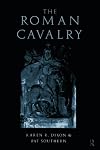
The author uses information from classical sources combined with archaeological findings and data from 19th and early 20th century European records to give a fairly detailed picture of the Roman cavalry over a period of several centuries. We learn about the recruitment, training, and equipment of both men and horses and their shared life together. Although I would have liked to see a little more detail in certain sections, this is a good overview. I notice that Dixon has also co-authored a show more study of Roman cavalry equipment, which may have the color plates this volume lacks.
Contents: Sources; Origins, unit strength, organization and titulature; Equipment and unit armament styles; Recruitment; Conditions of service; Training; The hippika gymnasia; The employment of cavalry in peacetime and wartime; Military records and the supply of horses; Roman cavalry mounts; Stables and grooming; Water and food supply; Welfare; Baggage animals. Well illustrated with line drawings and black and white photographs. show less
Contents: Sources; Origins, unit strength, organization and titulature; Equipment and unit armament styles; Recruitment; Conditions of service; Training; The hippika gymnasia; The employment of cavalry in peacetime and wartime; Military records and the supply of horses; Roman cavalry mounts; Stables and grooming; Water and food supply; Welfare; Baggage animals. Well illustrated with line drawings and black and white photographs. show less
You May Also Like
Associated Authors
Statistics
- Works
- 3
- Members
- 148
- Popularity
- #140,179
- Rating
- 3.7
- Reviews
- 2
- ISBNs
- 16
- Languages
- 2