
Tim Hilton (1941–2024)
Author of The Pre-Raphaelites
About the Author
Image credit: Guardian
Series
Works by Tim Hilton
Barrie Cook Exhibition 1 copy
Associated Works
Praeterita: The Autobiography of John Ruskin (Oxford Letters & Memoirs) (1978) — Introduction, some editions — 144 copies
Tagged
Common Knowledge
- Legal name
- Hilton, Timothy
- Birthdate
- 1941-07-07
- Date of death
- 2024-01-06
- Gender
- male
- Occupations
- Art critic
- Birthplace
- Birmingham, England, UK
- Associated Place (for map)
- England, UK
Members
Reviews

A bit difficult to get into, but after about page 40 it just flew by. Claims to be the first book since 1899 to focus on the painting of the Pre-Raphaelites and does a really good job --- and Hilton, the author, was only 29.
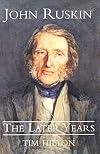
This morning, John Ruskin (1819-1900) English author and art critic, went into his garden very early ....
He was born in London. His "Modern Painters" in 5 volumes was issued over a period of many years. He helped to establish the Pre-Raphealites. Other notable works include "The Seven Lamps of Architecture", "The Stones of Venice" and "Praeterita". "Unto His Last" develops his views on social problems, and he tried to use his wealth for education. Ruskin College at Oxford is named after show more him.
"I went into my garden at half-past six on the morning of April 21, 1870, to think over the final order of these examples for you. The air was perfectly calm, the sunlight pure, and falling on the grass through thickets of the standard peach (which had bloomed that year perfectly), and of plum and pear trees, in their first showers of fresh silver, looking more like much-broken and far-tossed spray of fountains than trees; and just at the end of my hawthorn walk, one happy nightingale was singing as much as he could in every moment.
Meantime, in the still air, the roar of the railroads from Clapham Junction, New Cross, and the Crystal Palace (I am between the three), sounded constantly and heavily, like the surf of a strong sea three or four miles distant; and the whistles of the trains passing nearer mixed with the nightingale’s notes. That I could hear her at all, or see the blossoms, or the grass, in the best time of spring, depended on my having been long able to spend a large sum annually in self-indulgence, and in keeping my fellow creatures out of my way.
Of those who were causing all that murmur, like the sea, round me, and of the myriads imprisoned by the English Minotaur of lust for wealth, and condemned to live, if it is to be called life, in the labyrinth of black walls, and loathsome passages between them, which now fills the valley of the Thames, and is called London, no tone could hear, that day, any happy bird sing, or look upon any quiet space of the pure grass that is good for seed ..."
show less
He was born in London. His "Modern Painters" in 5 volumes was issued over a period of many years. He helped to establish the Pre-Raphealites. Other notable works include "The Seven Lamps of Architecture", "The Stones of Venice" and "Praeterita". "Unto His Last" develops his views on social problems, and he tried to use his wealth for education. Ruskin College at Oxford is named after show more him.
"I went into my garden at half-past six on the morning of April 21, 1870, to think over the final order of these examples for you. The air was perfectly calm, the sunlight pure, and falling on the grass through thickets of the standard peach (which had bloomed that year perfectly), and of plum and pear trees, in their first showers of fresh silver, looking more like much-broken and far-tossed spray of fountains than trees; and just at the end of my hawthorn walk, one happy nightingale was singing as much as he could in every moment.
Meantime, in the still air, the roar of the railroads from Clapham Junction, New Cross, and the Crystal Palace (I am between the three), sounded constantly and heavily, like the surf of a strong sea three or four miles distant; and the whistles of the trains passing nearer mixed with the nightingale’s notes. That I could hear her at all, or see the blossoms, or the grass, in the best time of spring, depended on my having been long able to spend a large sum annually in self-indulgence, and in keeping my fellow creatures out of my way.
Of those who were causing all that murmur, like the sea, round me, and of the myriads imprisoned by the English Minotaur of lust for wealth, and condemned to live, if it is to be called life, in the labyrinth of black walls, and loathsome passages between them, which now fills the valley of the Thames, and is called London, no tone could hear, that day, any happy bird sing, or look upon any quiet space of the pure grass that is good for seed ..."
show less
This morning, John Ruskin (1819-1900) English author and art critic, went into his garden very early ....
He was born in London. His "Modern Painters" in 5 volumes was issued over a period of many years. He helped to establish the Pre-Raphealites. Other notable works include "The Seven Lamps of Architecture", "The Stones of Venice" and "Praeterita". "Unto His Last" develops his views on social problems, and he tried to use his wealth for education. Ruskin College at Oxford is named after show more him.
"I went into my garden at half-past six on the morning of April 21, 1870, to think over the final order of these examples for you. The air was perfectly calm, the sunlight pure, and falling on the grass through thickets of the standard peach (which had bloomed that year perfectly), and of plum and pear trees, in their first showers of fresh silver, looking more like much-broken and far-tossed spray of fountains than trees; and just at the end of my hawthorn walk, one happy nightingale was singing as much as he could in every moment.
Meantime, in the still air, the roar of the railroads from Clapham Junction, New Cross, and the Crystal Palace (I am between the three), sounded constantly and heavily, like the surf of a strong sea three or four miles distant; and the whistles of the trains passing nearer mixed with the nightingale’s notes. That I could hear her at all, or see the blossoms, or the grass, in the best time of spring, depended on my having been long able to spend a large sum annually in self-indulgence, and in keeping my fellow creatures out of my way.
Of those who were causing all that murmur, like the sea, round me, and of the myriads imprisoned by the English Minotaur of lust for wealth, and condemned to live, if it is to be called life, in the labyrinth of black walls, and loathsome passages between them, which now fills the valley of the Thames, and is called London, no tone could hear, that day, any happy bird sing, or look upon any quiet space of the pure grass that is good for seed ..."
show less
He was born in London. His "Modern Painters" in 5 volumes was issued over a period of many years. He helped to establish the Pre-Raphealites. Other notable works include "The Seven Lamps of Architecture", "The Stones of Venice" and "Praeterita". "Unto His Last" develops his views on social problems, and he tried to use his wealth for education. Ruskin College at Oxford is named after show more him.
"I went into my garden at half-past six on the morning of April 21, 1870, to think over the final order of these examples for you. The air was perfectly calm, the sunlight pure, and falling on the grass through thickets of the standard peach (which had bloomed that year perfectly), and of plum and pear trees, in their first showers of fresh silver, looking more like much-broken and far-tossed spray of fountains than trees; and just at the end of my hawthorn walk, one happy nightingale was singing as much as he could in every moment.
Meantime, in the still air, the roar of the railroads from Clapham Junction, New Cross, and the Crystal Palace (I am between the three), sounded constantly and heavily, like the surf of a strong sea three or four miles distant; and the whistles of the trains passing nearer mixed with the nightingale’s notes. That I could hear her at all, or see the blossoms, or the grass, in the best time of spring, depended on my having been long able to spend a large sum annually in self-indulgence, and in keeping my fellow creatures out of my way.
Of those who were causing all that murmur, like the sea, round me, and of the myriads imprisoned by the English Minotaur of lust for wealth, and condemned to live, if it is to be called life, in the labyrinth of black walls, and loathsome passages between them, which now fills the valley of the Thames, and is called London, no tone could hear, that day, any happy bird sing, or look upon any quiet space of the pure grass that is good for seed ..."
show less
Awards

You May Also Like
Associated Authors
Statistics
- Works
- 10
- Also by
- 4
- Members
- 762
- Popularity
- #33,390
- Rating
- 3.9
- Reviews
- 3
- ISBNs
- 31
- Languages
- 4