
David Lester (4)
Author of Prophet Against Slavery: Benjamin Lay, A Graphic Novel
For other authors named David Lester, see the disambiguation page.
About the Author
Image credit: David Lester
Works by David Lester
Under the Banner of King Death: Pirates of the Atlantic, a Graphic Novel (2023) — Adapter — 23 copies, 2 reviews
Tagged
Common Knowledge
- Short biography
- David Lester is a painter, graphic designer, cartoonist, and the guitarist in the rock duo Mecca Normal (13 albums). He is the author of The Gruesome Acts of Capitalism and the graphic novel, The Listener (Arbeiter Ring Publishing). See more of his work at: thelistenergraphicnovel.wordpress.com
- Map Location
- Canada
Members
Reviews

I'm not particularly fond of the art or the script, but I'm rounding my rating up simply out of gratitude for being introduced to such a fascinating historical figure as Benjamin Lay. He was an activist, who was repeatedly "read out of Meeting" -- unfriended, that is, by the Religious Society of Friends, or Quakers -- for daring to call out their hypocrisy and sin for owning and trading slaves. From the early 1700s until his death in 1759, Lay would make speeches, perform attention-getting show more stunts, boycott goods produced by slave labor, and even have a book published by Benjamin Franklin, all to call attention to the humanity and suffering of slaves and demand the immediate abolition of their enslavement.
And his efforts helped to move the needle, with Quakers banning slave trade in his lifetime, banning the ownership of slaves amongst members in 1776, and becoming a force in the abolition movement leading up to the Civil War.
Also of note: this social justice warrior was a vegan who advocated against animal cruelty, stood all of four feet and seven inches, and doted on his wife.
I wish the art weren't so flat and scratchy. If you have the time to invest, it might be better to seek out the history book from which this graphic novel is adapted: The Fearless Benjamin Lay: The Quaker Dwarf Who Became the First Revolutionary Abolitionist by Marcus Rediker. I might check it out myself. show less
And his efforts helped to move the needle, with Quakers banning slave trade in his lifetime, banning the ownership of slaves amongst members in 1776, and becoming a force in the abolition movement leading up to the Civil War.
Also of note: this social justice warrior was a vegan who advocated against animal cruelty, stood all of four feet and seven inches, and doted on his wife.
I wish the art weren't so flat and scratchy. If you have the time to invest, it might be better to seek out the history book from which this graphic novel is adapted: The Fearless Benjamin Lay: The Quaker Dwarf Who Became the First Revolutionary Abolitionist by Marcus Rediker. I might check it out myself. show less
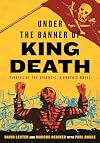
I saw in the table of contents that this is an adaptation of the history book, Villains of All Nations: Atlantic Pirates in the Golden Age, and it seemed a tidy little dramatization of some real pirate adventures in the 1720s, until I tried to look up the character names and found out they didn't exist.
Only then did I read the back cover and discover that this is a fictional story inspired by Marcus Rediker's history book. (Did I mention that I never read the back covers of books I get from show more the library? Oops.)
I find that a disappointing choice, but I still like the book because of its slant on pirates. The narrative stresses how piracy was a reasonable response by labor to the abuses of unregulated capitalists. It also offered a form of escape for those caught up in the slave trade powering many of the financial centers of the world at the time.
The art has a scrawled quality that makes it a bit difficult to distinguish characters at times but serves well enough overall.
FOR REFERENCE:
Contents: Foreword. Why We Need Pirates / Marcus Rediker -- Timeline. The Golden Age of Piracy, 1660-1730 -- Glossary of Speech -- Graphic Adaptation of Villains of All Nations / Marcus Rediker, original text; David Lester, adapter and illustrator -- Afterword. Pirates We Have Seen: Footnotes from Popular Culture History / Paul Buhle show less
Only then did I read the back cover and discover that this is a fictional story inspired by Marcus Rediker's history book. (Did I mention that I never read the back covers of books I get from show more the library? Oops.)
I find that a disappointing choice, but I still like the book because of its slant on pirates. The narrative stresses how piracy was a reasonable response by labor to the abuses of unregulated capitalists. It also offered a form of escape for those caught up in the slave trade powering many of the financial centers of the world at the time.
The art has a scrawled quality that makes it a bit difficult to distinguish characters at times but serves well enough overall.
FOR REFERENCE:
Contents: Foreword. Why We Need Pirates / Marcus Rediker -- Timeline. The Golden Age of Piracy, 1660-1730 -- Glossary of Speech -- Graphic Adaptation of Villains of All Nations / Marcus Rediker, original text; David Lester, adapter and illustrator -- Afterword. Pirates We Have Seen: Footnotes from Popular Culture History / Paul Buhle show less

Based on The Fearless Benjamin Lay by historian Marcus Rediker, this graphic novel portrays the revolutionary life of an eighteenth-century dwarf activist who was among the first to fight against slavery and animal cruelty. The prejudice that Benjamin Lay experienced, as well as his devout faith, fueled his passion for human and animal liberation. Using shocking guerilla theater tactics to shame slave owners and traders in his Quaker community, Lay is a singular and compelling figure who show more speaks truth to power and resonates for us today. show less

3.5 stars
I hadn’t heard about Benjamin Lay until this year, and this was a quick way to learn about his life as an outspoken Quaker abolitionist before Quakers got on board with abolitionism, decades before. He was excommunicated from four different Quaker meetings for speaking out against slavery. He wasn’t afraid to get in people’s faces and call out the rich and powerful on their hypocrisy.
I’m glad to know more about this incredible man, and I enjoyed the pencil sketch style of show more the artwork. The afterword was worth reading, as well as the commentary on the artist, David Lester, and the thought process behind his artistic choices. Lay’s dwarfism is portrayed visually and through a few comments without making the book more about that than what he accomplished.
The downside for me was the dialogue, which didn’t sound so much like dialogue as it did different characters (including Lay) telling each other about/commenting on the events of Lay’s life. There wasn’t a lot of natural flow to it, and I found that distracting. It’s a good read for its educational value and the artwork. show less
I hadn’t heard about Benjamin Lay until this year, and this was a quick way to learn about his life as an outspoken Quaker abolitionist before Quakers got on board with abolitionism, decades before. He was excommunicated from four different Quaker meetings for speaking out against slavery. He wasn’t afraid to get in people’s faces and call out the rich and powerful on their hypocrisy.
I’m glad to know more about this incredible man, and I enjoyed the pencil sketch style of show more the artwork. The afterword was worth reading, as well as the commentary on the artist, David Lester, and the thought process behind his artistic choices. Lay’s dwarfism is portrayed visually and through a few comments without making the book more about that than what he accomplished.
The downside for me was the dialogue, which didn’t sound so much like dialogue as it did different characters (including Lay) telling each other about/commenting on the events of Lay’s life. There wasn’t a lot of natural flow to it, and I found that distracting. It’s a good read for its educational value and the artwork. show less
Lists
Fiction: BLM (1)
Youth: BLM (1)
You May Also Like
Associated Authors
Statistics
- Works
- 4
- Members
- 113
- Popularity
- #173,160
- Rating
- 3.1
- Reviews
- 9
- ISBNs
- 144
- Languages
- 6
