
Michelle Sterling
Author of When Lola Visits
Works by Michelle Sterling
Tagged
Common Knowledge
There is no Common Knowledge data for this author yet. You can help.
Members
Reviews
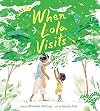
Achild describes the smells, tastes, and feelings of their summer.
“How do I know summer is here?” For the child sharing their story, summer is the smell of stone fruit ripening and days with nothing to do. Summer really begins when their lola comes to visit and makes her special mango jam. Together, grandmother and grandchild play at the pool, go to the beach, and watch fireworks. Lola fills their days with the delicious smells and tastes of traditional Filipino food, like cassava cake show more and sisig. Summer blooms with happy memories of gathering fruit, fishing, cooking, and eating together. When Lola returns home, summer turns to chilly breezes and falling leaves, but Lola has one more surprise. This is a beautiful, tender expression of family and love that spans generations and great distances. Each moment is described as a smell or taste, which engages all of readers’ senses. The illustrations add so much life and context to the words, especially for the Filipino dishes. The bright colors and visible brush strokes add warmth and capture the feelings of summer. The family is Filipino, and all have brown skin, black hair, and black eyes. Lola speaks Tagalog and Ilocano.
An extraordinary expression of Filipino culture and intergenerational familial bonds. (Picture book. 4-8)
-Kirkus Review show less
“How do I know summer is here?” For the child sharing their story, summer is the smell of stone fruit ripening and days with nothing to do. Summer really begins when their lola comes to visit and makes her special mango jam. Together, grandmother and grandchild play at the pool, go to the beach, and watch fireworks. Lola fills their days with the delicious smells and tastes of traditional Filipino food, like cassava cake show more and sisig. Summer blooms with happy memories of gathering fruit, fishing, cooking, and eating together. When Lola returns home, summer turns to chilly breezes and falling leaves, but Lola has one more surprise. This is a beautiful, tender expression of family and love that spans generations and great distances. Each moment is described as a smell or taste, which engages all of readers’ senses. The illustrations add so much life and context to the words, especially for the Filipino dishes. The bright colors and visible brush strokes add warmth and capture the feelings of summer. The family is Filipino, and all have brown skin, black hair, and black eyes. Lola speaks Tagalog and Ilocano.
An extraordinary expression of Filipino culture and intergenerational familial bonds. (Picture book. 4-8)
-Kirkus Review show less
Crap. I wanted to give this picture book more than three stars. It had so much going for it.
I mean, when a book uses the phrase "stone fruit" instead of peaches and plums, I knew the inner foodie in me would adore this book. I loved all of the food references, foods that often only a grandmother makes. To this day, I cannot make gnocchi as good as my Nana used to. The book is also a beautiful homage to all things summer--swimming and barbecues and everything that we look forward to about the show more season.
BUT this book needs a a glossary, a pronunciation guide for all of the different types of food. It is a missed opportunity. =( I myself needed to look up some of them. I want audiences to learn fully what other cultures' cuisines are! show less
I mean, when a book uses the phrase "stone fruit" instead of peaches and plums, I knew the inner foodie in me would adore this book. I loved all of the food references, foods that often only a grandmother makes. To this day, I cannot make gnocchi as good as my Nana used to. The book is also a beautiful homage to all things summer--swimming and barbecues and everything that we look forward to about the show more season.
BUT this book needs a a glossary, a pronunciation guide for all of the different types of food. It is a missed opportunity. =( I myself needed to look up some of them. I want audiences to learn fully what other cultures' cuisines are! show less

"Achild describes the smells, tastes, and feelings of their summer.
“How do I know summer is here?” For the child sharing their story, summer is the smell of stone fruit ripening and days with nothing to do. Summer really begins when their lola comes to visit and makes her special mango jam. Together, grandmother and grandchild play at the pool, go to the beach, and watch fireworks. Lola fills their days with the delicious smells and tastes of traditional Filipino food, like cassava cake show more and sisig. Summer blooms with happy memories of gathering fruit, fishing, cooking, and eating together. When Lola returns home, summer turns to chilly breezes and falling leaves, but Lola has one more surprise. This is a beautiful, tender expression of family and love that spans generations and great distances. Each moment is described as a smell or taste, which engages all of readers’ senses. The illustrations add so much life and context to the words, especially for the Filipino dishes. The bright colors and visible brush strokes add warmth and capture the feelings of summer. The family is Filipino, and all have brown skin, black hair, and black eyes. Lola speaks Tagalog and Ilocano.
An extraordinary expression of Filipino culture and intergenerational familial bonds. (Picture book. 4-8)" www.kirkusreviews.com, A Kirkus Starred Review show less
“How do I know summer is here?” For the child sharing their story, summer is the smell of stone fruit ripening and days with nothing to do. Summer really begins when their lola comes to visit and makes her special mango jam. Together, grandmother and grandchild play at the pool, go to the beach, and watch fireworks. Lola fills their days with the delicious smells and tastes of traditional Filipino food, like cassava cake show more and sisig. Summer blooms with happy memories of gathering fruit, fishing, cooking, and eating together. When Lola returns home, summer turns to chilly breezes and falling leaves, but Lola has one more surprise. This is a beautiful, tender expression of family and love that spans generations and great distances. Each moment is described as a smell or taste, which engages all of readers’ senses. The illustrations add so much life and context to the words, especially for the Filipino dishes. The bright colors and visible brush strokes add warmth and capture the feelings of summer. The family is Filipino, and all have brown skin, black hair, and black eyes. Lola speaks Tagalog and Ilocano.
An extraordinary expression of Filipino culture and intergenerational familial bonds. (Picture book. 4-8)" www.kirkusreviews.com, A Kirkus Starred Review show less
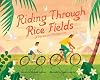
A boy accompanies his father to the Philippines for a family reunion. He is able to see his father through different eyes as a result of the trip. The ending of the book was weak. I think the author was trying to accomplish something by leaving it a bit open, but it just didn't work. There are some Tagalog words that are not explained. I understand most of them, but a young reader probably will not. The illustrations are quite nice.
Lists
Awards


Statistics
- Works
- 5
- Members
- 242
- Popularity
- #93,892
- Rating
- 3.8
- Reviews
- 7
- ISBNs
- 7