
James Ishmael Ford
Author of This Very Moment: A Brief Introduction to Buddism and Zen for Unitarian Universalists
About the Author
James Ishmael Ford, a lineage holder in both the Soto and Harada/Yasutani Zen traditions, is the spiritual director for the Zen Community of Boston and the guiding teacher for the Henry Thoreau Zen Sangha. Ford serves as the senior minister of the First Unitarian Society in Newton, Massachusetts
Image credit: Credit: Weasel Tracks (Wikipedia), 2001
Works by James Ishmael Ford
This Very Moment: A Brief Introduction to Buddism and Zen for Unitarian Universalists (1996) 66 copies
The Book of Mu: Essential Writings on Zen's Most Important Koan (2011) — Editor — 52 copies, 1 review
Zen at the End of Religion: An Introduction for the Curious, the Skeptical, and the Spiritual but Not Religious (2025) 4 copies
In This Very Moment 1 copy
Associated Works
Tagged
Common Knowledge
- Birthdate
- 1948-07-17
- Gender
- male
- Education
- Sonoma State University (BA|Psychology)
Pacific School of Religion (MDiv) - Occupations
- minister (Unitarian Universalist)
priest (Zen Buddhism) - Organizations
- First Unitarian Church of Providence
Boundless Way Zen - Nationality
- USA
- Birthplace
- Oakland, California, USA
- Associated Place (for map)
- California, USA
Members
Reviews
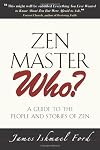
Zen Master Who? is the first-ever book to provide a history of Zen's arrival in North America, surveying the shifts and challenges to Zen as it finds its Western home. With the exception of parts of Rick Field's How the Swans Came to the Lake, there has been no previous attempt to write this chronicle.
James Ishmael Ford begins by tracing Zen's history in Asia, looking at some of Zen's most seminal figures--the Sixth Ancestor Huineng, Dogen Zenji (the founder of the Soto Zen school), Hakuin show more Ekaku (the great reformer of the Rinzai koan way), and many others--and then outlines the state of Zen in North America today. Clear-eyed and even-handed, Ford shows us the history and development of the institution of Zen--both its beauty and its warts.
Ford also outlines the many subtle differences in teachings, training, ordination, and transmission among schools and lineages. This book will aid those looking for a Zen center or a teacher, but who may not know where to start. Suggesting what might be possible, skillful, and fruitful in our communities, it will also be of use to those who lead the Zen centers of today and tomorrow. show less
James Ishmael Ford begins by tracing Zen's history in Asia, looking at some of Zen's most seminal figures--the Sixth Ancestor Huineng, Dogen Zenji (the founder of the Soto Zen school), Hakuin show more Ekaku (the great reformer of the Rinzai koan way), and many others--and then outlines the state of Zen in North America today. Clear-eyed and even-handed, Ford shows us the history and development of the institution of Zen--both its beauty and its warts.
Ford also outlines the many subtle differences in teachings, training, ordination, and transmission among schools and lineages. This book will aid those looking for a Zen center or a teacher, but who may not know where to start. Suggesting what might be possible, skillful, and fruitful in our communities, it will also be of use to those who lead the Zen centers of today and tomorrow. show less
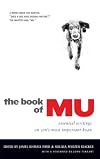
Reading about Mu and calling yourself a Zennist is like reading about boxing and calling yourself a boxer. That being said, there are some amazing and diverse commentary to this standard koan in this volume and Mr. Ford did a wonderful job editing.
You May Also Like


Associated Authors
Statistics
- Works
- 9
- Also by
- 1
- Members
- 338
- Popularity
- #70,453
- Rating
- 3.9
- Reviews
- 2
- ISBNs
- 13