
George A. F. Knight (1909–2002)
Author of Daily Study Bible: Psalms, Volume 1: Psalms 1–72
About the Author
George A. F. Knight of New Zealand, now retired, has had a distinguished career as a biblical scholar, author, professor, and pastor in Hungary, Scotland, New Zealand, the United States, and the Pacific Islands
Works by George A. F. Knight
ITC - Servant Theology: A Commentary on the Book of Isaiah 40-55 (International Theological Commentary) (1965) 98 copies
The New Israel: A Commentary on the Book of Isaiah 56-66 (International Theological Commentary) (1985) 94 copies
Revelation of God: A Commentary on the Books of the Song of Songs and Jonah - ITC (International Theological Commentary) (1988) 60 copies
A biblical approach to the doctrine of the Trinity, (Scottish journal of theology. Occasional papers) (1957) 8 copies
Esther, Song of Songs, Lamentations: Introduction and Commentary (The Torch Bible Commentaries) (1955) 3 copies
Psalms Volume 2 3 copies
New Zealand Jesus 2 copies
Deutero-isaiah 1 copy
ITC-Isaiah 56-66 1 copy
ITC-Isaiah 40-55 1 copy
From Moses to Paul 1 copy
Me? Join the church? 1 copy
ESTHER 1 copy
Tagged
Common Knowledge
- Birthdate
- 1909
- Date of death
- 2002
- Gender
- male
- Nationality
- New Zealand
Scotland (birth)
Members
Reviews
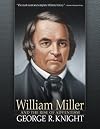
The Great Disappointment in October 1844 appeared to have brought the end of Millerism and Adventism; however it proved to be just the end of the movement’s initial rise. William Miller and the Rise of Adventism by George R. Knight follows the life of William Miller and then the development of the movement that sprang up from his preaching of the imminent Second Coming of Jesus in ‘about the year 1843’, including the men who helped shape the movement with him and then influenced the show more believers after October 22, 1844.
Knight begins the history by placing the Christian theological background that influenced the rise of Biblical prophetic study as well as revivalism, including showing that Millerism was the last gasp of the Second Great Awakening. He then delves into the life of William Miller, the events of which would later influence his abandonment and later rediscovery of his Christian belief before his studies brought him to his monumental belief that Jesus’ Second Coming would occur ‘about 1843’. While Miller’s message was engaging from the start, his preaching was only in rural New York and Vermont until chance brought him in connection with younger men who found the truth of his words but knew how to use the day’s modern methods to spread it farther than Miller ever knew possible. Knight relates the growth of the movement among believers in numerous denominations which later leads to a reaction from those same denominations as well as the Millerite leaders attempt to keep down fanaticism amongst believers. The meat of the book covers the “Year of the End” from March 1843 to October 1844 with all the internal and external tension that occurred during that time as the expectation of Jesus return was a daily hope until the date of October 22 was accepted. The final section of the book relates the histories of the Millerites that kept their Adventist hope after the Great Disappointment.
Given the subject matter and Knight being the most prominent Seventh-day Adventist historian today, one could have expected prominence of the founders of the Seventh-day Adventist church. However, save for Joseph Bates who was a prominent Millerite in his own right, the future Seventh-day Adventists are kept until the last two chapters of the book. If anything this was a story of the Millerites and Adventists who didn’t become Seventh-day Adventists, which is important for both those within and without the SDA denomination to learn about and especially for the former to learn lessons from history. For the general Church history reader, this book reveals the last big gasp of the Second Great Awakening that occurred in the United States as well as the ramifications of it over the past 170+ years.
I had expected this book to be a pure biography of William Miller; however the history of the movement named after him turned out to be a far better surprise. William Miller and the Rise of Adventism is for numerous audiences for those interested in Adventist history, American religious history, Christian history, and many more. While George R. Knight is a prominent Seventh-day Adventist historian, his scholarly approach gives the reader a full, unbiased picture of this time. show less
Knight begins the history by placing the Christian theological background that influenced the rise of Biblical prophetic study as well as revivalism, including showing that Millerism was the last gasp of the Second Great Awakening. He then delves into the life of William Miller, the events of which would later influence his abandonment and later rediscovery of his Christian belief before his studies brought him to his monumental belief that Jesus’ Second Coming would occur ‘about 1843’. While Miller’s message was engaging from the start, his preaching was only in rural New York and Vermont until chance brought him in connection with younger men who found the truth of his words but knew how to use the day’s modern methods to spread it farther than Miller ever knew possible. Knight relates the growth of the movement among believers in numerous denominations which later leads to a reaction from those same denominations as well as the Millerite leaders attempt to keep down fanaticism amongst believers. The meat of the book covers the “Year of the End” from March 1843 to October 1844 with all the internal and external tension that occurred during that time as the expectation of Jesus return was a daily hope until the date of October 22 was accepted. The final section of the book relates the histories of the Millerites that kept their Adventist hope after the Great Disappointment.
Given the subject matter and Knight being the most prominent Seventh-day Adventist historian today, one could have expected prominence of the founders of the Seventh-day Adventist church. However, save for Joseph Bates who was a prominent Millerite in his own right, the future Seventh-day Adventists are kept until the last two chapters of the book. If anything this was a story of the Millerites and Adventists who didn’t become Seventh-day Adventists, which is important for both those within and without the SDA denomination to learn about and especially for the former to learn lessons from history. For the general Church history reader, this book reveals the last big gasp of the Second Great Awakening that occurred in the United States as well as the ramifications of it over the past 170+ years.
I had expected this book to be a pure biography of William Miller; however the history of the movement named after him turned out to be a far better surprise. William Miller and the Rise of Adventism is for numerous audiences for those interested in Adventist history, American religious history, Christian history, and many more. While George R. Knight is a prominent Seventh-day Adventist historian, his scholarly approach gives the reader a full, unbiased picture of this time. show less

INDEXES OF: SUBJECTS, BIBLICAL REFERENCES, HEBREW WORDS, GREEK WORDS; APPENDIX: ISRAEL AND THE CHURCH
You May Also Like


Associated Authors
Statistics
- Works
- 47
- Members
- 1,633
- Popularity
- #15,730
- Rating
- 3.4
- Reviews
- 5
- ISBNs
- 38
- Languages
- 2