
Sabine Kuegler
Author of Child of the Jungle: The True Story of a Girl Caught Between Two Worlds
About the Author
Image credit: Sabine Kuegler
Works by Sabine Kuegler
Child of the Jungle: The True Story of a Girl Caught Between Two Worlds (2005) 440 copies, 15 reviews
Džungli kutse 1 copy
Associated Works
Tagged
Common Knowledge
- Canonical name
- Kuegler, Sabine
- Other names
- KUEGLER, Sabine
- Birthdate
- 1972-12-25
- Gender
- female
- Occupations
- author
- Nationality
- Germany
Nepal (birth) - Birthplace
- Patan, Nepal
- Places of residence
- Nepal
West Papua, Indonesia
Germany - Associated Place (for map)
- Patan, Nepal
Members
Reviews
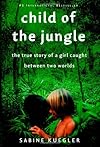
This is a memoir of a German woman who grew up in the jungle in Indonesia among a Stone Age people, the Fayu, with her linguist/missionary father and nurse mother and then had to to adjust to modern life in Europe.
I found her descriptions in turns enchanting, humorous and poignant, as well as very informative and thoughtful. First, there are descriptions of life in the jungle: playing Tarzan with local kids as they swing from real vines in the real jungle, trying to persuade one's parents show more to take in exotic pets, and eating exotic foods (snake meat is the best, Kuegler tells us, and crocodile, second, and nothing she ever ate in Europe could rival either). But there’s also a darker tone, for by the time the Kueglers arrived there, the Fayu population had been greatly decimated by the violence between the subclans. As the author explains: "Because they lacked any medical understanding of sickness or infection... the Fayu believed in only two causes of death. A person either died from a wound or as a result of a curse." In either case, it was the family's duty to determine to which sub-clan the perpetrator belonged and then kill somebody from that sub-clan in revenge "so you never knew when that cycle of violence might find you." However, the book is not as depressing as it might appear, for by this time the Fayu were tired of never ending hostilities, and the changes Kuegler's parents were slowly able to bring about in the Fayu society are truly impressive.
The latter part of the book describes the author's attempt to adapt to modern life, first in a boarding Swiss school (where she had to research things like sports and popular music) and then in her "native" Germany where she tried to build an adult life for herself. Not surprisingly, the latter proved considerably more difficult, for raised by a modern European family, but among a Stone Age culture meant that she could not feel fully at home either in Europe or in the jungle. Reading this book made me realize that formal education and the practical how to of everyday life are but a small part of what children absorb from the surrounding culture. The far more crucial, because it's often indelible, part of our "education" is what feels comfortable to us, what we strive for in life, what makes us feel happy and fulfilled.
Overall, I found it a very interesting and, in my experience, an original book. show less
I found her descriptions in turns enchanting, humorous and poignant, as well as very informative and thoughtful. First, there are descriptions of life in the jungle: playing Tarzan with local kids as they swing from real vines in the real jungle, trying to persuade one's parents show more to take in exotic pets, and eating exotic foods (snake meat is the best, Kuegler tells us, and crocodile, second, and nothing she ever ate in Europe could rival either). But there’s also a darker tone, for by the time the Kueglers arrived there, the Fayu population had been greatly decimated by the violence between the subclans. As the author explains: "Because they lacked any medical understanding of sickness or infection... the Fayu believed in only two causes of death. A person either died from a wound or as a result of a curse." In either case, it was the family's duty to determine to which sub-clan the perpetrator belonged and then kill somebody from that sub-clan in revenge "so you never knew when that cycle of violence might find you." However, the book is not as depressing as it might appear, for by this time the Fayu were tired of never ending hostilities, and the changes Kuegler's parents were slowly able to bring about in the Fayu society are truly impressive.
The latter part of the book describes the author's attempt to adapt to modern life, first in a boarding Swiss school (where she had to research things like sports and popular music) and then in her "native" Germany where she tried to build an adult life for herself. Not surprisingly, the latter proved considerably more difficult, for raised by a modern European family, but among a Stone Age culture meant that she could not feel fully at home either in Europe or in the jungle. Reading this book made me realize that formal education and the practical how to of everyday life are but a small part of what children absorb from the surrounding culture. The far more crucial, because it's often indelible, part of our "education" is what feels comfortable to us, what we strive for in life, what makes us feel happy and fulfilled.
Overall, I found it a very interesting and, in my experience, an original book. show less
**A Woman You Will Never Forget**
Sabine Kuegler’s memoir is probably the best biography I have ever read. This is an outstanding book of a life most westerners would find unimaginable. After finishing this wonderful life story, I doubt that I will ever forget this incredible woman.
Sabine Kuegler was only five years old when her German parents moved her and her siblings to the wild jungle rainforest of West Papua, which is the other half of Papua New Guinea in Indonesia. Her parents were show more missionary/anthropologists who had a goal to live amongst the newly found lost tribe of the Fayu natives. To be a part of their daily lives and jungle community, to learn their language and culture, and to assist them in an eventual integration with the western world without losing their land, their heritage and people, was their new mission. As Sabine was just a toddler when she arrived there from Nepal where her parents had their last assignment, she was raised with the Fayu children and became a true child of the jungle. The family lived in a screen enclosed hut, ate insects, bats, crocodile, and wild boar along with the staples of rice and sago which is a floury paste substance derived from palm trees. She became a Fayu child, a hunter-gatherer, prowled the rainforest naked, learned to hunt with bow and arrow, climbed trees to escape dangerous animals, lived in total wonder of the natural world around her, and acquired an incredible knowledge of the flora and fauna beneath the treetop canopy. A lover of animals, she collected a menagerie of pets such as spiders the size of dinner plates, parrots, mini-kangaroos, cats, bats, birds, lizards and whatever else crawled into her path. A brave and vivacious young girl, she took the hardships of jungle survival in stride and turned her trials and tribulations into experiences of wonders to behold. Facing flash floods, intense tropical heat, bug infestations, malaria and other medical challenges, Sabine was the love of her family and became the chosen child of the Fayu who grew to love her as their own.
Learning about the marvels of the rainforest and the incredibly interesting culture of the Fayu tribe was insightful, enlightening and fascinating. They are a loving people now, but previous to the admittance of the Kuegler family, they were a tribe of vicious warring people on the brink of extinction due to constant inner tribal conflicts leading to extreme mortality rates. Sabine’s father became a brother to the Fayu, and while integrating himself into their lives he learned their complicated language, survival tactics, centuries of legends, and was taught to respect their jungle politics and ceremonies. This enabled them to trust him, which in turn allowed them to eventually learn ways of diplomacy and peace that would settle their differences with love and forgiveness.
The Kuegler family lived amongst the Fayu for many years. Sabine and her siblings stayed until they became college age where at that time, they were then shipped off to various European and American colleges. These teenagers needed to literally learn how to be civilized city folk in the western world. However, for Sabine, this was too much to bear. After tragedy had struck her life when a Fayu brother died of Tuberculosis, she felt she could no longer live the jungle life and accepted the offer to attend a boarding school in Switzerland. Sabine’s story from that point on was the most challenging part of her life. She painfully soon became confused, depressed, and traumatized. This innocent naïve nature child had never seen a telephone, a computer, a stereo, a television, automobiles, grocery stores, money, nor any of the everyday items we westerners in the modern world have taken for granted our entire lives. She became paralyzed, afraid to cross the street into traffic, shook in fear of her ignorance of the world and became haunted as to where she truly belonged.
Her writings of the college days are at times hilarious to the point where the reader is belly-laughing out loud, but at times you will also find yourself wiping the tears from your eyes as she becomes heartbreakingly suicidal as she struggles to belong. I have never been so entranced by a personal story as this, and felt deeply moved by reading about her amazing life filled with ups and downs. I promise you readers, that Child of the Jungle will be the most extraordinary book you will have come across in decades. This story is perfect for all readers in monthly book club discussion groups and a book you will be passing around to so many friends you might not get it back! This memoir deserves awards, international recognition, and more stars I’m allowed to give it. Standing ovation..clap clap clap!!! show less
Sabine Kuegler’s memoir is probably the best biography I have ever read. This is an outstanding book of a life most westerners would find unimaginable. After finishing this wonderful life story, I doubt that I will ever forget this incredible woman.
Sabine Kuegler was only five years old when her German parents moved her and her siblings to the wild jungle rainforest of West Papua, which is the other half of Papua New Guinea in Indonesia. Her parents were show more missionary/anthropologists who had a goal to live amongst the newly found lost tribe of the Fayu natives. To be a part of their daily lives and jungle community, to learn their language and culture, and to assist them in an eventual integration with the western world without losing their land, their heritage and people, was their new mission. As Sabine was just a toddler when she arrived there from Nepal where her parents had their last assignment, she was raised with the Fayu children and became a true child of the jungle. The family lived in a screen enclosed hut, ate insects, bats, crocodile, and wild boar along with the staples of rice and sago which is a floury paste substance derived from palm trees. She became a Fayu child, a hunter-gatherer, prowled the rainforest naked, learned to hunt with bow and arrow, climbed trees to escape dangerous animals, lived in total wonder of the natural world around her, and acquired an incredible knowledge of the flora and fauna beneath the treetop canopy. A lover of animals, she collected a menagerie of pets such as spiders the size of dinner plates, parrots, mini-kangaroos, cats, bats, birds, lizards and whatever else crawled into her path. A brave and vivacious young girl, she took the hardships of jungle survival in stride and turned her trials and tribulations into experiences of wonders to behold. Facing flash floods, intense tropical heat, bug infestations, malaria and other medical challenges, Sabine was the love of her family and became the chosen child of the Fayu who grew to love her as their own.
Learning about the marvels of the rainforest and the incredibly interesting culture of the Fayu tribe was insightful, enlightening and fascinating. They are a loving people now, but previous to the admittance of the Kuegler family, they were a tribe of vicious warring people on the brink of extinction due to constant inner tribal conflicts leading to extreme mortality rates. Sabine’s father became a brother to the Fayu, and while integrating himself into their lives he learned their complicated language, survival tactics, centuries of legends, and was taught to respect their jungle politics and ceremonies. This enabled them to trust him, which in turn allowed them to eventually learn ways of diplomacy and peace that would settle their differences with love and forgiveness.
The Kuegler family lived amongst the Fayu for many years. Sabine and her siblings stayed until they became college age where at that time, they were then shipped off to various European and American colleges. These teenagers needed to literally learn how to be civilized city folk in the western world. However, for Sabine, this was too much to bear. After tragedy had struck her life when a Fayu brother died of Tuberculosis, she felt she could no longer live the jungle life and accepted the offer to attend a boarding school in Switzerland. Sabine’s story from that point on was the most challenging part of her life. She painfully soon became confused, depressed, and traumatized. This innocent naïve nature child had never seen a telephone, a computer, a stereo, a television, automobiles, grocery stores, money, nor any of the everyday items we westerners in the modern world have taken for granted our entire lives. She became paralyzed, afraid to cross the street into traffic, shook in fear of her ignorance of the world and became haunted as to where she truly belonged.
Her writings of the college days are at times hilarious to the point where the reader is belly-laughing out loud, but at times you will also find yourself wiping the tears from your eyes as she becomes heartbreakingly suicidal as she struggles to belong. I have never been so entranced by a personal story as this, and felt deeply moved by reading about her amazing life filled with ups and downs. I promise you readers, that Child of the Jungle will be the most extraordinary book you will have come across in decades. This story is perfect for all readers in monthly book club discussion groups and a book you will be passing around to so many friends you might not get it back! This memoir deserves awards, international recognition, and more stars I’m allowed to give it. Standing ovation..clap clap clap!!! show less

En fascinerad och annorlunda barndoms skildring om ett liv i djungel bland en okänd stam i Västpapua.
Sabine lever som ett djungelbarn med sina syskon och föräldrar i en liten stam av stenåldersfolk. Pappan är språkforskare och har fått tillåtelse av byns hövding att ta sin familj till byn. Ett stort problem är att det här folket nästan har utplånat sig själv på grund av alla deras krig med sina grannar. Sabina älskar livet i djungeln och det är hennes upplevelser med lekar show more och smakupplevelser som mycket berikar hennes barndom. Men Sabine blir äldre och när hon ska börja gymnasiet i Europa så blir det en ren kulturkrock mot hennes tidigare liv. Det här är är en intressant bok. show less
Sabine lever som ett djungelbarn med sina syskon och föräldrar i en liten stam av stenåldersfolk. Pappan är språkforskare och har fått tillåtelse av byns hövding att ta sin familj till byn. Ett stort problem är att det här folket nästan har utplånat sig själv på grund av alla deras krig med sina grannar. Sabina älskar livet i djungeln och det är hennes upplevelser med lekar show more och smakupplevelser som mycket berikar hennes barndom. Men Sabine blir äldre och när hon ska börja gymnasiet i Europa så blir det en ren kulturkrock mot hennes tidigare liv. Det här är är en intressant bok. show less
'Child of the Jungle: the true story of a girl caught between two worlds,' by Sabine Kuegler, is a fascinating account of a German missionary kid's childhood experiences growing up among the Fayu -- a recently discovered, Stone-Age tribe indigenous to West Papua, Indonesia. Part family memoir, part ethnographic history, and in part a dramatic tale of cross-cultural reentry, the book bounces around quite a bit thematically. However, the factual tid-bits of information she presents about the show more Fayu culture, and about how that culture changed over the years, due to the influence of her missionary family, were simply riveting. In a sense, the title of the book is misleading, for the real story in the book is not that of the jungle-girl narrator, but the story of change within the Fayu culture, itself. And for that, I found the book well worth the read. show less
Lists
Awards

You May Also Like


Associated Authors
Statistics
- Works
- 7
- Also by
- 1
- Members
- 546
- Popularity
- #45,668
- Rating
- 3.8
- Reviews
- 17
- ISBNs
- 57
- Languages
- 11
- Favorited
- 2