
Keyi Sheng
Author of Death Fugue
About the Author
Sheng Keyi is a Chinese author of the book Death Fugue. He with be featured at the Byron Bay Writers' Festival 2015. (Bowker Author Biography)
Works by Keyi Sheng
Teczujacy popiól 3 copies
Associated Works
Tagged
Common Knowledge
- Birthdate
- 1973-06-04
- Gender
- female
- Nationality
- China
- Associated Place (for map)
- China
Members
Reviews
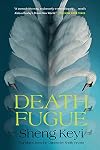
Apparently this book (from 2014) remains banned in China for its "taboo allusions to the Tiananmen Square massacre".
It explores the dangers of a totalitarian state as well as the insidious dangers of a seemingly utopian state which, while seemingly more pleasant on the surface, is as restrictive & controlling as a totalitarian state. The struggle to survive with your art & humanity intact (or sometimes just your life) under either system are central topics, as is the importance of art & show more future generations using art & protest to continue to bring light to the darkness & danger under such systems. The danger of turning a blind eye or forgetting is all too real. Part of this, to my understanding, is aimed at the generation who were children during Tiananmen Square, so not immediately familiar with it but growing up in the shadow of the reverberations from it. (As such, it made me think of The Sound of Things Falling by Juan Gabriel Vásquez which explores the generation growing up in the shadow & violence of the Colombian drug cartels. The two stories are not the same yet both address the generational trauma that youth face.)
This was especially interesting in light of the many pro-democracy demonstrations that have taken place worldwide during 2020 & 2021. It's also eerily prescient with the impact of a plague. As you would imagine, there are some uncomfortable topics & situations in this book. (Trigger warnings for infanticide, among various other -cides too.)
Liked is not the correct word, nor can I say that I fully appreciated the book as I feel like I probably missed many cultural allusions & often felt out-of-synch with the cadence of the storytelling. I felt ambivalent about the beginning, pushed through the long middle section (which seemed to drag, imo), & was later rewarded with the closing 100 or so pages where I felt the book really focused its message & impact. I think there's a storytelling & poetic tradition in China with which I'm not familiar enough to have felt comfortable with the flow of the story (often leaving me wishing it had been heavily edited). It was not an easy read but I found it, ultimately, worthwhile. show less
It explores the dangers of a totalitarian state as well as the insidious dangers of a seemingly utopian state which, while seemingly more pleasant on the surface, is as restrictive & controlling as a totalitarian state. The struggle to survive with your art & humanity intact (or sometimes just your life) under either system are central topics, as is the importance of art & show more future generations using art & protest to continue to bring light to the darkness & danger under such systems. The danger of turning a blind eye or forgetting is all too real. Part of this, to my understanding, is aimed at the generation who were children during Tiananmen Square, so not immediately familiar with it but growing up in the shadow of the reverberations from it. (As such, it made me think of The Sound of Things Falling by Juan Gabriel Vásquez which explores the generation growing up in the shadow & violence of the Colombian drug cartels. The two stories are not the same yet both address the generational trauma that youth face.)
This was especially interesting in light of the many pro-democracy demonstrations that have taken place worldwide during 2020 & 2021. It's also eerily prescient with the impact of a plague. As you would imagine, there are some uncomfortable topics & situations in this book. (Trigger warnings for infanticide, among various other -cides too.)
Liked is not the correct word, nor can I say that I fully appreciated the book as I feel like I probably missed many cultural allusions & often felt out-of-synch with the cadence of the storytelling. I felt ambivalent about the beginning, pushed through the long middle section (which seemed to drag, imo), & was later rewarded with the closing 100 or so pages where I felt the book really focused its message & impact. I think there's a storytelling & poetic tradition in China with which I'm not familiar enough to have felt comfortable with the flow of the story (often leaving me wishing it had been heavily edited). It was not an easy read but I found it, ultimately, worthwhile. show less
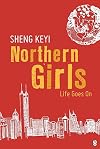
Entertaining but rather breezy account of the sex wars in contemporary China.

Je dois l’avouer, je me suis laissée tenter par ce livre juste pour sa jolie couverture naïve et son titre espiègle et qui me rappelle d’autres livres où il est plus question de pommes. Et puis j’avais déjà tellement de livres sous le bras (bien plus que ce que raisonnable signifie…) que je n’étais pas à un près, et j’ai ajouté ce livre dont je me suis ensuite aperçue qu’il était nouvellement paru à ma pile d’achats.
A la faveur des jours ensoleillés que nous show more avons en ce moment, je me suis dit que cette petite lecture légère serait bien agréable, et j’en ai effectivement lu la plus grande partie en un après-midi, allongée dans le hamac à l’ombre du figuier en sirotant un sirop d’orgeat.
Et la façon de lire ce petit livre n’est pas anodine, car il parle des souvenirs d’enfance et des petits plaisirs simples (et pas toujours innocents) de la campagne. Sheng Keyi brosse 75 petites vignettes qui sont autant de souvenirs d’une enfance campagnarde pauvre mais heureuse. Mais ce n’est pas juste une nostalgie facile et univoque. Petite, Sheng Keyi voulait partir de cet endroit, voir autre chose, vivre. Elle ne cache pas la misère de son petit coin de Hunan, l’absence de perspective, notamment pour les femmes. Elle est nostalgique de son coin d’enfance, pas forcément de la vie telle qu’elle était alors. Pour la paraphraser, elle voulait que les choses évoluent, mais pas comme elles ont évolué. Cela donne un livre à la fois nostalgique et désespéré. Elle ne veut pas revenir à ce qu’il y avait avant, ne veut pas perdre ce qu’il en reste, et déplore ce qu’elle voit aujourd’hui.
Elle dit aussi les ravages d’une société chinoise animée d’une frénésie de croissance inaltérable, et ce au mépris de ses eaux, de sa culture et de ses paysages. C’est un propos assez moderne, que je n’ai pas lu auparavant dans des livres venant de ce pays (mais je n’ai pas lu beaucoup de livres chinois modernes ces derniers temps), et un propos que j’ai trouvé assez proche de certaines préoccupations occidentales, et j’ai trouvé ce rapprochement intéressant.
En conclusion, cela donne un livre assez triste (qui ne se marie finalement pas complètement au beau temps actuel, ou qui le fait apprécier d’une façon plus réservée, presque timide, à la beauté discrète d’une fleur de jujubier. show less
A la faveur des jours ensoleillés que nous show more avons en ce moment, je me suis dit que cette petite lecture légère serait bien agréable, et j’en ai effectivement lu la plus grande partie en un après-midi, allongée dans le hamac à l’ombre du figuier en sirotant un sirop d’orgeat.
Et la façon de lire ce petit livre n’est pas anodine, car il parle des souvenirs d’enfance et des petits plaisirs simples (et pas toujours innocents) de la campagne. Sheng Keyi brosse 75 petites vignettes qui sont autant de souvenirs d’une enfance campagnarde pauvre mais heureuse. Mais ce n’est pas juste une nostalgie facile et univoque. Petite, Sheng Keyi voulait partir de cet endroit, voir autre chose, vivre. Elle ne cache pas la misère de son petit coin de Hunan, l’absence de perspective, notamment pour les femmes. Elle est nostalgique de son coin d’enfance, pas forcément de la vie telle qu’elle était alors. Pour la paraphraser, elle voulait que les choses évoluent, mais pas comme elles ont évolué. Cela donne un livre à la fois nostalgique et désespéré. Elle ne veut pas revenir à ce qu’il y avait avant, ne veut pas perdre ce qu’il en reste, et déplore ce qu’elle voit aujourd’hui.
Elle dit aussi les ravages d’une société chinoise animée d’une frénésie de croissance inaltérable, et ce au mépris de ses eaux, de sa culture et de ses paysages. C’est un propos assez moderne, que je n’ai pas lu auparavant dans des livres venant de ce pays (mais je n’ai pas lu beaucoup de livres chinois modernes ces derniers temps), et un propos que j’ai trouvé assez proche de certaines préoccupations occidentales, et j’ai trouvé ce rapprochement intéressant.
En conclusion, cela donne un livre assez triste (qui ne se marie finalement pas complètement au beau temps actuel, ou qui le fait apprécier d’une façon plus réservée, presque timide, à la beauté discrète d’une fleur de jujubier. show less
Jun 25, 2023French
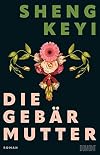
Ich bin nicht über das erste Kapitel hinausgekommen. Es triefte von sexistischen Beschreibungen von Frauen. Nein danke
Jun 14, 2025German
Lists
Awards


You May Also Like
Associated Authors
Statistics
- Works
- 10
- Also by
- 1
- Members
- 92
- Popularity
- #202,475
- Rating
- 3.1
- Reviews
- 4
- ISBNs
- 24
- Languages
- 6