

Georgeanne Irvine
Author of The True Story of Corky, the Blind Seal
About the Author
Works by Georgeanne Irvine
Tagged
Common Knowledge
- Gender
- female
Members
Reviews
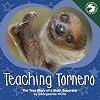
First sentence: The early morning sun was just beginning to shine on the San Diego Zoo when wildlife care specialist Sonia arrived at work.
Premise/plot: Nonfiction picture book. I'd classify (personally) it as narrative nonfiction. It is the story--true story--of a sloth named Tornero. He is a two-toed sloth and wildlife ambassador. Features his story, obviously, but also additional facts about sloths, their habits and habitats. There are plenty of photographs.
My thoughts: I enjoyed this show more one! Though this one is a picture book, I'd say it is definitely for mid-to-upper elementary school because it is text-heavy. (Unless using as a read aloud in which case younger elementary grades might enjoy as well.) I like the balance of photographs and text. There are plenty of photos, but also plenty of text. It isn't a shallow read; it is substantive. show less
Premise/plot: Nonfiction picture book. I'd classify (personally) it as narrative nonfiction. It is the story--true story--of a sloth named Tornero. He is a two-toed sloth and wildlife ambassador. Features his story, obviously, but also additional facts about sloths, their habits and habitats. There are plenty of photographs.
My thoughts: I enjoyed this show more one! Though this one is a picture book, I'd say it is definitely for mid-to-upper elementary school because it is text-heavy. (Unless using as a read aloud in which case younger elementary grades might enjoy as well.) I like the balance of photographs and text. There are plenty of photos, but also plenty of text. It isn't a shallow read; it is substantive. show less
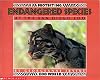
The last of the dodo birds, who made their home on Mauritius, met its death at the hands of the Dutch settlers in the late 1600s. On August 12, 1883, the last of the quaggas died at the Amsterdam Zoo; all the other quaggas died in Africa at the hands of hunters. On September 1, 1914, the last passenger pigeon died at the Cincinnati Zoo. Martha was twenty-nine; all the other passenger pigeons were gone as a result of overhunting.
These are just three of the animals that once lived on Earth and show more have become extinct. Today, endangered species include giant pandas, orangutans, tigers, gorillas, bald eagles, and elephants. Some are prey for the hunter; others are lost because of the destruction of their natural habitats.
Zoos play an important role in helping to save animals from extinction. Scientists, zoo trainers, keepers, birdkeepers, animal behaviorists, and nursery workers at the San Diego Zoo are all working together to save endangered species such as the clouded leopard, the black rhinoceros, the Tahitian lory, the lion-tailed macaque, and Mhorr gazelle.
How did the zoo help save the Galápagos tortoises on Hood Island? And is there a way to keep animals from becoming extinct?
Filled with photographs and facts about several animals who are part of an endangered species, this book shows young readers how zoo personnel are working to save endangered animals from extinction. Each animal’s story includes multiple photographs, tells a bit about the history of the species, and gives details about the animal’s life at the zoo. The story of Number 21, a rare Galápagos tortoise, tells how the giant tortoises were almost extinct because goats ate all their food. The zoo was able to help save the giant tortoises on Hood Island by sending their Galápagos tortoise to live there. Ultimately, Number 21 became the father of more than one hundred seventy baby tortoises and played a major role in keeping the species from extinction.
This non-fiction book helps young readers understand the relationship between humans and animals and explains why we should do everything possible to try to save these animals from extinction. The stories are touching, yet real; the color photographs bring each animal’s story to life for the children. This is a good book for parents and young readers [or teachers and young readers] to share and discuss.
Also included: suggestions of what young readers can do for endangered species and a bibliography.
Highly recommended. show less
These are just three of the animals that once lived on Earth and show more have become extinct. Today, endangered species include giant pandas, orangutans, tigers, gorillas, bald eagles, and elephants. Some are prey for the hunter; others are lost because of the destruction of their natural habitats.
Zoos play an important role in helping to save animals from extinction. Scientists, zoo trainers, keepers, birdkeepers, animal behaviorists, and nursery workers at the San Diego Zoo are all working together to save endangered species such as the clouded leopard, the black rhinoceros, the Tahitian lory, the lion-tailed macaque, and Mhorr gazelle.
How did the zoo help save the Galápagos tortoises on Hood Island? And is there a way to keep animals from becoming extinct?
Filled with photographs and facts about several animals who are part of an endangered species, this book shows young readers how zoo personnel are working to save endangered animals from extinction. Each animal’s story includes multiple photographs, tells a bit about the history of the species, and gives details about the animal’s life at the zoo. The story of Number 21, a rare Galápagos tortoise, tells how the giant tortoises were almost extinct because goats ate all their food. The zoo was able to help save the giant tortoises on Hood Island by sending their Galápagos tortoise to live there. Ultimately, Number 21 became the father of more than one hundred seventy baby tortoises and played a major role in keeping the species from extinction.
This non-fiction book helps young readers understand the relationship between humans and animals and explains why we should do everything possible to try to save these animals from extinction. The stories are touching, yet real; the color photographs bring each animal’s story to life for the children. This is a good book for parents and young readers [or teachers and young readers] to share and discuss.
Also included: suggestions of what young readers can do for endangered species and a bibliography.
Highly recommended. show less

Lists
Awards


You May Also Like


Statistics
- Works
- 27
- Members
- 631
- Popularity
- #39,928
- Rating
- 3.2
- Reviews
- 4
- ISBNs
- 42