
T.K. Welsh
Author of Resurrection Men
Works by T.K. Welsh
Tagged
Common Knowledge
- Gender
- male
- Education
- Amherst College
- Awards and honors
- Academy of American Poets Prize
- Short biography
- See http://www.tkwelsh.com
- Nationality
- USA
- Associated Place (for map)
- USA
Members
Reviews
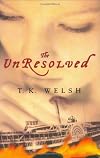
I picked this one up because I love history and I love ghost stories, and this is both. I admit, I was also curious to see if Welsh could pull off what Katharine Weber couldn’t in Triangle — successfully combining authentic NYC history with a story that appeals to teens. I think Welsh has succeeded admirably here.
From the publisher:
Mallory Meer has just turned fifteen years old, and within an hour, thanks to the only boy she’s ever loved, she’ll be dead, a victim of the General show more Slocum steamship disaster. Bound by love to her grieving family, and outraged by the multitude of senseless deaths, Mallory haunts those responsible for the tragedy, determined to see that justice is served.
Young love doomed, a horrific tragedy, and a ghost bound to earth by the terrible event. What more could you ask for? I sped through the first few chapters and then read the end. This is the ultimate test of the “goodness” of a book for me — if I can read the end and then still want to go back and finish the rest of the book, it’s a good’un. The Unresolved is a great one. Mallory is the most well-developed ghostly character I’ve seen in a long, long time…maybe even since my Blossom Culp days. I can’t recall another story where I’ve felt so connected to the ghost, and I was particularly impressed with the way Welsh moved Mallory in and out of other characters and told their stories in that way. Welsh skillfully manipulates emotions and develops characters through the relatively short novel, and I found myself genuinely caring about these people.
My only quibble, and there’s always one, is with the names. We have “Mallory” and “Dustin” — both German, one Lutheran and one Jewish. The names just struck me as very WB and not in sync with the time (early 1900s). I did a little research and found the name Mallory is French, and didn’t come into regular use until the 1960s. Dustin is derived from the Scandinavian, but didn’t come into common use until the 1940s. It seems like Welsh just picked the names out of the air. But, this is a small quibble, and certainly not enough to keep you from reading this fabulous story. show less
From the publisher:
Mallory Meer has just turned fifteen years old, and within an hour, thanks to the only boy she’s ever loved, she’ll be dead, a victim of the General show more Slocum steamship disaster. Bound by love to her grieving family, and outraged by the multitude of senseless deaths, Mallory haunts those responsible for the tragedy, determined to see that justice is served.
Young love doomed, a horrific tragedy, and a ghost bound to earth by the terrible event. What more could you ask for? I sped through the first few chapters and then read the end. This is the ultimate test of the “goodness” of a book for me — if I can read the end and then still want to go back and finish the rest of the book, it’s a good’un. The Unresolved is a great one. Mallory is the most well-developed ghostly character I’ve seen in a long, long time…maybe even since my Blossom Culp days. I can’t recall another story where I’ve felt so connected to the ghost, and I was particularly impressed with the way Welsh moved Mallory in and out of other characters and told their stories in that way. Welsh skillfully manipulates emotions and develops characters through the relatively short novel, and I found myself genuinely caring about these people.
My only quibble, and there’s always one, is with the names. We have “Mallory” and “Dustin” — both German, one Lutheran and one Jewish. The names just struck me as very WB and not in sync with the time (early 1900s). I did a little research and found the name Mallory is French, and didn’t come into regular use until the 1960s. Dustin is derived from the Scandinavian, but didn’t come into common use until the 1940s. It seems like Welsh just picked the names out of the air. But, this is a small quibble, and certainly not enough to keep you from reading this fabulous story. show less
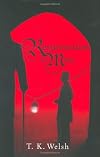
A beautifully told and spellbinding tale of an outcast in the London underworld of the 1830s. I can't help but wonder if the author drew inspiration from the nonfiction book The Italian Boy; the similarities are too many to ignore.
I picked this one up because I love history and I love ghost stories, and this is both. I admit, I was also curious to see if Welsh could pull off what Katharine Weber couldn't in Triangle -- successfully combining authentic NYC history with a story that appeals to teens. I think Welsh has succeeded admirably here.
From the publisher:
Mallory Meer has just turned fifteen years old, and within an hour, thanks to the only boy she's ever loved, she'll be dead, a victim of the General Slocum show more steamship disaster. Bound by love to her grieving family, and outraged by the multitude of senseless deaths, Mallory haunts those responsible for the tragedy, determined to see that justice is served.
Young love doomed, a horrific tragedy, and a ghost bound to earth by the terrible event. What more could you ask for? I sped through the first few chapters and then read the end. This is the ultimate test of the "goodness" of a book for me -- if I can read the end and then still want to go back and finish the rest of the book, it's a good'un. The Unresolved is a great one. Mallory is the most well-developed ghostly character I've seen in a long, long time...maybe even since my Blossom Culp days. I can't recall another story where I've felt so connected to the ghost, and I was particularly impressed with the way Welsh moved Mallory in and out of other characters and told their stories in that way. Welsh skillfully manipulates emotions and develops characters through the relatively short novel, and I found myself genuinely caring about these people.
My only quibble, and there's always one, is with the names. We have "Mallory" and "Dustin" -- both German, one Lutheran and one Jewish. The names just struck me as very WB and not in sync with the time (early 1900s). I did a little research and found the name Mallory is French, and didn't come into regular use until the 1960s. Dustin is derived from the Scandinavian, but didn't come into common use until the 1940s. It seems like Welsh just picked the names out of the air. But, this is a small quibble, and certainly not enough to keep you from reading this fabulous story. show less
From the publisher:
Mallory Meer has just turned fifteen years old, and within an hour, thanks to the only boy she's ever loved, she'll be dead, a victim of the General Slocum show more steamship disaster. Bound by love to her grieving family, and outraged by the multitude of senseless deaths, Mallory haunts those responsible for the tragedy, determined to see that justice is served.
Young love doomed, a horrific tragedy, and a ghost bound to earth by the terrible event. What more could you ask for? I sped through the first few chapters and then read the end. This is the ultimate test of the "goodness" of a book for me -- if I can read the end and then still want to go back and finish the rest of the book, it's a good'un. The Unresolved is a great one. Mallory is the most well-developed ghostly character I've seen in a long, long time...maybe even since my Blossom Culp days. I can't recall another story where I've felt so connected to the ghost, and I was particularly impressed with the way Welsh moved Mallory in and out of other characters and told their stories in that way. Welsh skillfully manipulates emotions and develops characters through the relatively short novel, and I found myself genuinely caring about these people.
My only quibble, and there's always one, is with the names. We have "Mallory" and "Dustin" -- both German, one Lutheran and one Jewish. The names just struck me as very WB and not in sync with the time (early 1900s). I did a little research and found the name Mallory is French, and didn't come into regular use until the 1960s. Dustin is derived from the Scandinavian, but didn't come into common use until the 1940s. It seems like Welsh just picked the names out of the air. But, this is a small quibble, and certainly not enough to keep you from reading this fabulous story. show less
T.K. Welsh’s last book, The Unresolved, was one of my favorites of 2006, and Resurrection Men doesn’t disappoint. In the 1830’s, an Italian boy witnesses his parents being murdered, and is then sold as a cabin boy on a ship. A bad fall from the rigging means he’s no longer useful so he’s thrown overboard. Miraculously, he makes it to shore and is found by an old man who nurses him back to health, only to sell him to a couple of “resurrection men” whose job is to procure corpses show more for doctors to autopsy. He makes his way to London, where he plunges into the worst of the underbelly of society — beggars, prostitutes, thieves and murderers. After many trials and tribulations, the boy’s decency and courage help him rise above the life he’s been forced to live.
Of course, the inevitable comparison to Dickens’ Oliver Twist comes to mind, but Resurrection Men is far more than that. Welsh makes the horrific living conditions, especially those for children, come alive here. Welsh doesn’t rely on innuendo, but lays it all out, from the dens of beggar children to the trade in child prostitution, so the reader comes to know that living in London in the 1830’s was anything but idyllic. Reading this, I was reminded of a book I read years ago called The Anti-Society by Kellow Chesney which described the lives of the poor during the reign of Queen Victoria. Most history books recount the glorious reign of the Queen and ignore the harsh reality lived by her poorest subjects. Welsh succeeds to bringing that reality to vivid life. If you want to read more on this topic, adults can try The Great Stink by Clare Clark or Victorian London by Liza Picard, while younger readers will enjoy The Whispering Road by Livi Michael. show less
Of course, the inevitable comparison to Dickens’ Oliver Twist comes to mind, but Resurrection Men is far more than that. Welsh makes the horrific living conditions, especially those for children, come alive here. Welsh doesn’t rely on innuendo, but lays it all out, from the dens of beggar children to the trade in child prostitution, so the reader comes to know that living in London in the 1830’s was anything but idyllic. Reading this, I was reminded of a book I read years ago called The Anti-Society by Kellow Chesney which described the lives of the poor during the reign of Queen Victoria. Most history books recount the glorious reign of the Queen and ignore the harsh reality lived by her poorest subjects. Welsh succeeds to bringing that reality to vivid life. If you want to read more on this topic, adults can try The Great Stink by Clare Clark or Victorian London by Liza Picard, while younger readers will enjoy The Whispering Road by Livi Michael. show less
Awards

Statistics
- Works
- 2
- Members
- 110
- Popularity
- #176,728
- Rating
- 3.8
- Reviews
- 11
- ISBNs
- 2
- Favorited
- 1