
Richard Saferstein (–2017)
Author of Criminalistics: An Introduction to Forensic Science
About the Author
Works by Richard Saferstein
Tagged
Common Knowledge
- Date of death
- 2017-07-28
- Gender
- male
- Education
- City College of New York (BS|Chemistry|1963)
City College of New York (PhD|Organic Chemistry|1970) - Occupations
- Director, New Jersey State Police Crime Lab
Adjunct Professor of Forensics, The College of New Jersey - Organizations
- American Academy of Forensic Sciences
- Nationality
- USA
- Place of death
- Mount Laurel, New Jersey, USA
- Associated Place (for map)
- New Jersey, USA
Members
Reviews

This textbook offers a great overview for an introductory forensic science course; every major segment of forensic science is covered to some degree - entomology, fire examination, firearms, bloodstain analysis, etc. The case studies are really interesting, too, and there are a lot of websites recommended that you can check out.
For people wanting to know just the general basics of what forensic scientists do, Saferstein has written a good jumping-off point. You'll want to read other books show more and take courses, though, if you want a proper in-depth look at the subject matter, because with some things he merely scratches the surface, and with others he suggests somewhat questionable methods.
For example, in discussing the collection of bullets at a crime scene, he suggests that the investigator put their initials either at the base of the bullet or on the nose of the bullet. While it's really not the best idea to mark such small evidence as a bullet directly, you should never - I repeat, NEVER - make any kind of mark to the nose or sides of bullets recovered at a crime scene. In doing so, you are completely destroying or at least contaminating any trace evidence that could have been recovered and analyzed microscopically. And with a bullet that has been fired, there will ALWAYS be something on the nose for the microscopist. So while Saferstein suggests initialling these items, do the trace evidence and firearms examiners back at the lab a favor and just bag it up and fill out the form. show less
For people wanting to know just the general basics of what forensic scientists do, Saferstein has written a good jumping-off point. You'll want to read other books show more and take courses, though, if you want a proper in-depth look at the subject matter, because with some things he merely scratches the surface, and with others he suggests somewhat questionable methods.
For example, in discussing the collection of bullets at a crime scene, he suggests that the investigator put their initials either at the base of the bullet or on the nose of the bullet. While it's really not the best idea to mark such small evidence as a bullet directly, you should never - I repeat, NEVER - make any kind of mark to the nose or sides of bullets recovered at a crime scene. In doing so, you are completely destroying or at least contaminating any trace evidence that could have been recovered and analyzed microscopically. And with a bullet that has been fired, there will ALWAYS be something on the nose for the microscopist. So while Saferstein suggests initialling these items, do the trace evidence and firearms examiners back at the lab a favor and just bag it up and fill out the form. show less
Criminalistics: An Introduction to Forensic Science (College Version, Eighth Edition) by Richard Saferstein
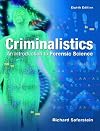
I used this textbook for an Introduction to Forensic Science class. It was well written and easy to understand with helpful review sections for each chapter. The case study portions are also very interesting for those looking for supplemental material to forensic science studies.
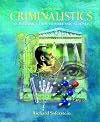
The textbook we used for an introduction to forensic science class. The information is clearly and simply described. It includes crime scene analysis, fiber analysis, serology, forensic genetics, arson analysis, and tool mark analysis. Nothing is looked at deeply-this is an introductory book, after all. But it is a good overview. The case studies provide a chance for students to consider the field and some of the difficulties or famous cases.
You May Also Like


Associated Authors
Statistics
- Works
- 19
- Members
- 464
- Popularity
- #53,000
- Rating
- 3.5
- Reviews
- 11
- ISBNs
- 57