
Jeffrey J. Niehaus
Author of God at Sinai: Covenant and Theophany in the Bible and Ancient Near East
About the Author
Jeffrey J. Niehaus (Ph.D., Harvard University) is Professor of Old Testament at Gordon-Conwell Theological Seminary, where he has taught since 1982. He is the author of numerous scholarly articles and books, including God at Sinai: Covenant and Theophany in the Bible and Ancient Near East, Ancient show more Near Eastern. Themes in Biblical Theology, and commentaries on Amos and Obadiah. His articles have appeared in Journal of Biblical Literature. Journal of the Evangelical Theological Society Tyndale Bulletin, and Vetus Testamentum. show less
Works by Jeffrey J. Niehaus
Biblical Theology, Volume 1: The Common Grace Covenants (2014) — Author; Author — 56 copies, 1 review
Biblical Theology, Volume 2: Special Grace Covenants (Old Testament) (2017) — Author — 38 copies, 1 review
Associated Works
Tagged
Common Knowledge
- Legal name
- Niehaus, Jeffrey Jay
- Other names
- Niehaus, Jeffrey
Niehaus, Jeff - Gender
- male
- Education
- Yale (BA)
Harvard (AM & PhD
Gordon-Conwell Theological Seminary (M.Div.) - Occupations
- senior professor
author
minister (Baptist) - Organizations
- Gordon-Conwell Theological Seminary
- Nationality
- USA
- Associated Place (for map)
- USA
Members
Reviews
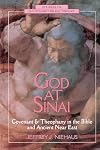
Studying under Dr. Jeff Niehaus at Gordon-Conwell Theological Seminary in the early 90s, I was required to read this book. I have since read it three or four times, as has my wife and my father. In every case, we found it to deliver what is best about biblical theology in the tradition of Gerhardas Vos: impecabble scholarship that opens up the text in its world and in our own. The subject here is a study of divine theophany: appearances of God, and primarily Old Testament appearances. The show more compare and contrast between the OT and surrounding ANE mythologies--Egyptian, Hittite, Mesopotamian, and Canaanite--is fascinating. The way that works out in terms of the psalms and proverbs is near devotional. Of note especially is Dr. Neihaus's claim that the Genesis description of God walking in the garden in the cool of the day, a translation Neihaus describes as a "guess interpreters have made throughout the centuries," he translates--based on ANE textual study--as "'in the wind of the storm.' The storm wind is the advancing presence of Yahweh. He advances in terrible theophany, in judgment . . . the man and woman hear . . . the 'thunder' of his stormy presence." No wonder they hid in the trees! A marvelous book, were it not that some of the investigation into Akkadian texts are a bit slow in the beginning, we'd give it five stars. As it is, we give it four-and-a-half. show less
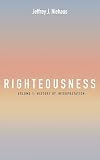
Summary: The first of three volumes, beginning with a history of defining biblical righteousness, considering the leading interpreters in the light of the author’s own definition.
Definition and Approach
If I asked you to define what the Bible means in talking about “righteousness,” how would you answer? I guess there would be a number of different answers. And this is what Jeffrey J. Niehaus found as he studied biblical scholars who have written on this word. Niehaus undertakes, in show more three volumes, to study this crucial concept, running through both Testaments. The author proposes a definition against which he will consider the relevant biblical and extra-biblical material. Very simply, his definition is “that righteousness is conformity to God’s Being and doing.” He also makes an important distinction, observed throughout the work that the masculine form of the Hebrew denotes the idea itself; the feminine, the idea in action.
Niehaus defends this working definition as rooted in the lexical definition of the words used as “conformity to a standard/norm.” He proposes a deductive approach, not of reading into passages the definition but determining if the definition validly applies to usage in scripture. Niehaus defends this against the seemingly more open approach of induction by observing that every interpreter using the inductive approach arrives at different conclusions. He believes his approach actually better guards against the subjectivity of the interpreter.
The plan of Niehaus project is to first survey the leading interpreters and evaluate their ideas in light of his own proposed definition. Then, in volumes two and three, he will consider righteousness in the Old and New Testaments respectively. He will thus test how well his definition explains and holds up against this material. But first, he considers the interpreters who have already tackled the subject.
The Interpreters
The first three chapters consider the pioneering scholarship of three men, beginning with Ludwig Diestel. Diestel argued that righteousness consists of that which conforms to or proceeds from God’s purpose. Albrecht Ritschl, strongly influenced by Diestel, considers the divine purpose, which is righteousness, has to do with God’s saving grace. Hermann Cremer differed in advancing the idea that righteousness has to do with the relationship of God with humans, a relationship that entails salvation. With each, Niehaus reviews the biblical evidence for each of the views, the strengths and weaknesses of the arguments on their own merit and in light of his proposal.
Chapters 4 and 5 consider German and Anglo-American scholars in the “righteousness as covenant faithfulness school.” In addition to discussing the three German scholars already considered, he briefly sketches the views of Gerhard Von Rad and Walter Eichrodt as touching on righteousness in light of God’s covenants. Then he turns to Anglo-American scholars, briefly reviewing the work of J.I. Packer, Elizabeth Achtemeier, James D.G. Dunn and N.T. Wright. who is discussed at greater length, particularly his ideas of forensics, the covenant lawsuit. He notes the differences between Wright and John Piper, highlighting Piper’s understanding of righteousness as God’s zeal for his glory.
Chapters 6 and 7 turn to two more individual interpreters. First, Niehaus considers H.H. Schmid and his idea of righteousness as conformity to the created order. Second, he turns to C.L. Irons and iustitia distributiva, or distributive justice, an idea of fairness or equal justice for all, which has an advantage of both biblical and pagan philosophical support. Niehaus would not disagree but roots his thinking in the underlying idea of conformity to God’s Being and doing.
Evaluation
Essentially, this volume is prolegomena and literature survey. Niehaus clearly sets out his thesis and method and warrants for these. Following this, he situates his thesis in the scholarly discussion, offering an appreciative discussion while noting places where his thesis differs. Perhaps most notable is his disagreement with the covenant faithfulness school, which dominates contemporary discussion. In addition to the literature of modern scholarship, he offers an appendix surveying the idea of righteousness from antiquity through the Reformation, In all of this, he evidences scholarship both thorough and catholic. Of course, we await the demonstration of his thesis in volumes two and three (published). But he has laid good foundations.
____________________
Disclosure of Material Connection: I received a complimentary copy of this book from the publisher for review. show less
Definition and Approach
If I asked you to define what the Bible means in talking about “righteousness,” how would you answer? I guess there would be a number of different answers. And this is what Jeffrey J. Niehaus found as he studied biblical scholars who have written on this word. Niehaus undertakes, in show more three volumes, to study this crucial concept, running through both Testaments. The author proposes a definition against which he will consider the relevant biblical and extra-biblical material. Very simply, his definition is “that righteousness is conformity to God’s Being and doing.” He also makes an important distinction, observed throughout the work that the masculine form of the Hebrew denotes the idea itself; the feminine, the idea in action.
Niehaus defends this working definition as rooted in the lexical definition of the words used as “conformity to a standard/norm.” He proposes a deductive approach, not of reading into passages the definition but determining if the definition validly applies to usage in scripture. Niehaus defends this against the seemingly more open approach of induction by observing that every interpreter using the inductive approach arrives at different conclusions. He believes his approach actually better guards against the subjectivity of the interpreter.
The plan of Niehaus project is to first survey the leading interpreters and evaluate their ideas in light of his own proposed definition. Then, in volumes two and three, he will consider righteousness in the Old and New Testaments respectively. He will thus test how well his definition explains and holds up against this material. But first, he considers the interpreters who have already tackled the subject.
The Interpreters
The first three chapters consider the pioneering scholarship of three men, beginning with Ludwig Diestel. Diestel argued that righteousness consists of that which conforms to or proceeds from God’s purpose. Albrecht Ritschl, strongly influenced by Diestel, considers the divine purpose, which is righteousness, has to do with God’s saving grace. Hermann Cremer differed in advancing the idea that righteousness has to do with the relationship of God with humans, a relationship that entails salvation. With each, Niehaus reviews the biblical evidence for each of the views, the strengths and weaknesses of the arguments on their own merit and in light of his proposal.
Chapters 4 and 5 consider German and Anglo-American scholars in the “righteousness as covenant faithfulness school.” In addition to discussing the three German scholars already considered, he briefly sketches the views of Gerhard Von Rad and Walter Eichrodt as touching on righteousness in light of God’s covenants. Then he turns to Anglo-American scholars, briefly reviewing the work of J.I. Packer, Elizabeth Achtemeier, James D.G. Dunn and N.T. Wright. who is discussed at greater length, particularly his ideas of forensics, the covenant lawsuit. He notes the differences between Wright and John Piper, highlighting Piper’s understanding of righteousness as God’s zeal for his glory.
Chapters 6 and 7 turn to two more individual interpreters. First, Niehaus considers H.H. Schmid and his idea of righteousness as conformity to the created order. Second, he turns to C.L. Irons and iustitia distributiva, or distributive justice, an idea of fairness or equal justice for all, which has an advantage of both biblical and pagan philosophical support. Niehaus would not disagree but roots his thinking in the underlying idea of conformity to God’s Being and doing.
Evaluation
Essentially, this volume is prolegomena and literature survey. Niehaus clearly sets out his thesis and method and warrants for these. Following this, he situates his thesis in the scholarly discussion, offering an appreciative discussion while noting places where his thesis differs. Perhaps most notable is his disagreement with the covenant faithfulness school, which dominates contemporary discussion. In addition to the literature of modern scholarship, he offers an appendix surveying the idea of righteousness from antiquity through the Reformation, In all of this, he evidences scholarship both thorough and catholic. Of course, we await the demonstration of his thesis in volumes two and three (published). But he has laid good foundations.
____________________
Disclosure of Material Connection: I received a complimentary copy of this book from the publisher for review. show less
You May Also Like


Associated Authors
Statistics
- Works
- 17
- Also by
- 1
- Members
- 413
- Popularity
- #58,990
- Rating
- 3.8
- Reviews
- 5
- ISBNs
- 28
- Languages
- 1