
Charles R. Smith (1) (1969–)
Author of Rimshots: Basketball Pix, Rolls, and Rhythms
For other authors named Charles R. Smith, see the disambiguation page.
Charles R. Smith (1) has been aliased into Charles R. Smith, Jr..
Works by Charles R. Smith
Works have been aliased into Charles R. Smith, Jr..
Tagged
Common Knowledge
Members
Reviews
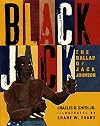
The combination of Charles Smith and Shane Evans adds up to a great piece of work, bringing to life the challenges faced and triumphs achieved by Jack Johnson, the first black heavyweight champion of the world.
Jack was born in 1878 to freed slaves who taught him he could do anything if he wanted it badly enough. He used to get beat up regularly by neighborhood bullies, but his mother encouraged him to fight back, and soon nobody could touch him. He was also inspired by the stories he read in show more school about great leaders, and he too dreamed of becoming a great man.
As he got older, he could beat anybody inside the ring, but whites consistently refused to fight him.
Finally, Tommy Burns, a white Canadian, agreed to fight Jack in Australia. When Jack was declared the winner, boxing fans around the world cried foul. Racists called out for a "Great White Hope" to take the title away from Johnson. They encouraged the great heavyweight champ, Jim Jeffries, to come out of retirement and prove that whites were superior to blacks.
Reno, Nevada was the scene of “The Battle of the Century” on July 4, 1910. [Racial tension was so high that guns were prohibited within the arena as was the sale of alcohol or the admittance of anyone showing the effects of alcohol.] After fifteen rounds, Jack made history as “The World’s First Black Heavyweight Champion.”
The book ends at this point, but Smith adds an afterword to recount Jack’s continuing problems with his challenges to the color line. For example, Jack had three wives, all of whom were white. This did not sit well with the white establishment. In fact, he was famously convicted in 1913 by an all-white jury for violating the 1910 Mann Act (also known as The White-Slave Traffic Act), which prohibited "transporting women across state lines for immoral purposes." (This trial took place in the courtroom of Federal Judge Kenesaw Mountain Landis, the future Commissioner of Baseball who kept blacks out of baseball as long as he was alive.) Jack was sentenced to a year and a day in prison. [This was the same year that the administration of President Woodrow Wilson mandated segregation for all federal agencies in Washington, D.C., including the lunchrooms and bathrooms inside government buildings.]
Tragically, Jack died in a car accident in 1946, after racing angrily from a diner that refused to serve him. He was taken to the closest black hospital, Saint Agnes Hospital, some 30 miles away in Raleigh. He was 68 years old at the time of his death.
Since the time of his death, there have been numerous petitions for him to receive a presidential pardon. To date, one has not been issued.
Johnson was inducted into the Boxing Hall of Fame in 1954, and is on the roster of both the International Boxing Hall of Fame and the World Boxing Hall of Fame.
Evaluation: This is an excellent introduction to the story of a brave and determined man, and to the more general topic of acquiring self-esteem in the face of adversity. Simple prose, catchy poetic stanzas, and authentic quotes from the time add interest to the text. Shane Evans contributes both strength and heart to the characters of any book he illustrates. show less
Jack was born in 1878 to freed slaves who taught him he could do anything if he wanted it badly enough. He used to get beat up regularly by neighborhood bullies, but his mother encouraged him to fight back, and soon nobody could touch him. He was also inspired by the stories he read in show more school about great leaders, and he too dreamed of becoming a great man.
As he got older, he could beat anybody inside the ring, but whites consistently refused to fight him.
Finally, Tommy Burns, a white Canadian, agreed to fight Jack in Australia. When Jack was declared the winner, boxing fans around the world cried foul. Racists called out for a "Great White Hope" to take the title away from Johnson. They encouraged the great heavyweight champ, Jim Jeffries, to come out of retirement and prove that whites were superior to blacks.
Reno, Nevada was the scene of “The Battle of the Century” on July 4, 1910. [Racial tension was so high that guns were prohibited within the arena as was the sale of alcohol or the admittance of anyone showing the effects of alcohol.] After fifteen rounds, Jack made history as “The World’s First Black Heavyweight Champion.”
The book ends at this point, but Smith adds an afterword to recount Jack’s continuing problems with his challenges to the color line. For example, Jack had three wives, all of whom were white. This did not sit well with the white establishment. In fact, he was famously convicted in 1913 by an all-white jury for violating the 1910 Mann Act (also known as The White-Slave Traffic Act), which prohibited "transporting women across state lines for immoral purposes." (This trial took place in the courtroom of Federal Judge Kenesaw Mountain Landis, the future Commissioner of Baseball who kept blacks out of baseball as long as he was alive.) Jack was sentenced to a year and a day in prison. [This was the same year that the administration of President Woodrow Wilson mandated segregation for all federal agencies in Washington, D.C., including the lunchrooms and bathrooms inside government buildings.]
Tragically, Jack died in a car accident in 1946, after racing angrily from a diner that refused to serve him. He was taken to the closest black hospital, Saint Agnes Hospital, some 30 miles away in Raleigh. He was 68 years old at the time of his death.
Since the time of his death, there have been numerous petitions for him to receive a presidential pardon. To date, one has not been issued.
Johnson was inducted into the Boxing Hall of Fame in 1954, and is on the roster of both the International Boxing Hall of Fame and the World Boxing Hall of Fame.
Evaluation: This is an excellent introduction to the story of a brave and determined man, and to the more general topic of acquiring self-esteem in the face of adversity. Simple prose, catchy poetic stanzas, and authentic quotes from the time add interest to the text. Shane Evans contributes both strength and heart to the characters of any book he illustrates. show less
I enjoyed this poetry book a lot, however, some of the material does not make me want to share this with students. At the beginning of the book, Jack Johnson is picked on by bullies and his mother tells him to physically fight back, which is where he got his start in fighting. This event is key to Johnson’s life, but it encourages the use of physical violence at a young age to anyone who is the victim of bullying. I do not want my student’s to emulate his behavior even though he is a show more professional athlete. I did like the conflict he faced being an African-American boxer. No white men wanted to compete with him because of his skin color. When they were brave enough to face him, Jack beat his competitors and became the first African-American heavyweight champion. This book was a great tale of an African-American athlete becoming the best despite facing prejudice. show less
Black Jack was a BRAVE man.
Black Jack was a STRONG man.
Black Jack was a Brave, Strong, FIGHTIN' man.
But mostly, Black Jack was his
OWN man.
Black Jack was born in 1878 in Texas. His name was Arthur John Johnson and his parents were freed slaves who taught him pride and gave him the will to better himself. He worked all sorts of jobs to make a living, but what suited him was boxing. He became a good boxer, a great boxer with the style. And he set his sites on the Boxing Championship, but there show more was only one problem. The white boxers wouldn't fight him.
This book personalizes bigotry and prejudice in a tangible way that children can understand. It portrays Black Jack in a positive light, and then throws what seems to be insurmountable adversity in his way. Leaving prejudice aside, it gives children an example of what it means to want to succeed badly enough that you'll fight long and hard for it. And rewards them by showing them how Black Jack fought 'the system' and made the world rethink it's old way of doing things and thinking about people... when he became the World's First Black Heavyweight Champion.
[Children will, of course, need to be reminded that his victory was only a piece of the forces that worked together to create change and that the change took a long time.]
THE SKINNY:::
Great artwork. It's accessible and interesting.
I never could quite get the hang of Charles Smith Jr's prose, but it didn't really matter. He conjured up a great story and clearly made his points.
I read this book to my 8 and 10 year-old children. I think it could be read to much younger children, who even if they don't understand prejudice yet, can understand that the idea of working for what you want.
Would be a great addition to a history unit. (Roaring Press has a Teacher's Guide available)
AR 5.3
Pam T~
mom/blogger
booksforkids-reviews.com show less
Black Jack was a STRONG man.
Black Jack was a Brave, Strong, FIGHTIN' man.
But mostly, Black Jack was his
OWN man.
Black Jack was born in 1878 in Texas. His name was Arthur John Johnson and his parents were freed slaves who taught him pride and gave him the will to better himself. He worked all sorts of jobs to make a living, but what suited him was boxing. He became a good boxer, a great boxer with the style. And he set his sites on the Boxing Championship, but there show more was only one problem. The white boxers wouldn't fight him.
This book personalizes bigotry and prejudice in a tangible way that children can understand. It portrays Black Jack in a positive light, and then throws what seems to be insurmountable adversity in his way. Leaving prejudice aside, it gives children an example of what it means to want to succeed badly enough that you'll fight long and hard for it. And rewards them by showing them how Black Jack fought 'the system' and made the world rethink it's old way of doing things and thinking about people... when he became the World's First Black Heavyweight Champion.
[Children will, of course, need to be reminded that his victory was only a piece of the forces that worked together to create change and that the change took a long time.]
THE SKINNY:::
Great artwork. It's accessible and interesting.
I never could quite get the hang of Charles Smith Jr's prose, but it didn't really matter. He conjured up a great story and clearly made his points.
I read this book to my 8 and 10 year-old children. I think it could be read to much younger children, who even if they don't understand prejudice yet, can understand that the idea of working for what you want.
Would be a great addition to a history unit. (Roaring Press has a Teacher's Guide available)
AR 5.3
Pam T~
mom/blogger
booksforkids-reviews.com show less
The format of this book was done very well...a biography of the first African American heavy weight champion of the world done in poetry form. The author did a good job of making the facts of Jack Johnson's life interesting and fun to read. The book flows so well that at first the reader doesn't even realize that the lines rhyme. This book would be an excellent introduction to a class/library poetry unit.
Awards


You May Also Like
Associated Authors
Statistics
- Works
- 11
- Members
- 489
- Popularity
- #50,497
- Rating
- 3.8
- Reviews
- 22
- ISBNs
- 43