
Nick Medina
Author of Sisters of the Lost Nation
About the Author
Image credit: Taken from author's website: https://www.nickmedina.net/about
Works by Nick Medina
Associated Works
Never Whistle at Night: An Indigenous Dark Fiction Anthology (2023) — Contributor — 1,551 copies, 23 reviews
Tagged
Common Knowledge
- Gender
- male
- Agent
- Amanda Orozco
- Nationality
- USA
- Birthplace
- Chicago, Illinois, USA
- Associated Place (for map)
- Illinois, USA
Members
Reviews
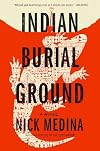
Welcome back, you weirdos and ghouls. Buckle up ’cause we’re diving into the wild world of the Indian burial ground trope in horror. Picture this: you’re sitting in the dark, minding your own business, when BAM! Some ancient Native American burial site decides it’s had enough of your bullshit and starts unleashing all kinds of supernatural mayhem. Yeah, that’s the stuff nightmares are made of.
This trope is like that uncle who shows up at family gatherings, drinks too much, and show more starts telling the same offensive jokes every year. It’s got roots way back in the colonial days, where white folks were all, “Ooh, Native Americans are so mystical and spooky!” Mix that with some good old Gothic literature vibes, and you’ve got a recipe for spooky shenanigans. Authors like James Fenimore Cooper, that old-timey bastard, kicked things off by romanticizing and othering Native American customs. He made burial grounds sound like the ultimate spooky backdrop for all your horror needs.
Fast forward to the 20th century, and horror writers like H.P. Lovecraft and Stephen King were all over this trope like flies on shit. Take “Pet Sematary,” for example. King’s over here with a Micmac burial ground that brings dead pets back to life, but not in a cute, Disney way—more like a “your fluffy cat is now a demon” kind of way. It’s all about tapping into that deep-seated fear of the unknown and messing with sacred spaces.
Then you’ve got the horror flicks of the late 20th century, like “The Shining” and “Poltergeist.” Kubrick’s “The Shining” subtly hints that the Overlook Hotel is built on an ancient burial ground, which totally explains why everything goes batshit crazy there. And “Poltergeist” just goes all in, with a housing development on top of a Native American cemetery leading to all sorts of terrifying ghostly antics.
But here’s the kicker, folks: this trope has been called out for being culturally insensitive and perpetuating stereotypes. Critics are like, “Hey, maybe don’t reduce an entire culture’s spiritual practices to spooky plot devices, okay?” The trope often paints Native Americans as mystical, vengeful, and dabbling in dark magic, which is all kinds of problematic.
Now, onto “Indian Burial Ground” by Nick Medina. This book is a horror gem that blends generational trauma, indigenous folklore, and supernatural spooks into one hell of a story. Set on the fictional Takoda Reservation, it swings between the 1980s and the present day like a creepy pendulum of doom.
In the 80s, we follow Louie, a poor 17-year-old dealing with more crap than a sewage plant. His mom’s an alcoholic, his aunt Lula’s a teenage mom, and on top of that, creepy supernatural stuff is happening all around. Graves are getting desecrated, and dead bodies are popping up like they’re at a zombie rave. Louie’s convinced there’s a dark spirit after his tribe, and who can blame him? The whole place is a supernatural shitstorm.
Jump to the present, and Noemi, Louie’s niece, is finally catching a break with her boyfriend Roddy, a news anchor. But then, Roddy supposedly offs himself, and Noemi’s like, “Hell no, something’s fishy.” Louie rolls back into town just in time for a tribal ceremony, and bam, all those old fears about malevolent spirits resurface.
Medina dives deep into themes like generational trauma, mental health, addiction, and the impact of systemic racism. He doesn’t pull any punches, showing the real-life horrors faced by Native Americans through a supernatural lens. The folklore isn’t just for cheap scares; it’s rooted in the Takoda people’s cultural and spiritual beliefs, giving the story a haunting authenticity.
Louie’s a tough yet troubled dude, shaped by his crappy childhood and the supernatural horrors he witnessed. Noemi’s got that hope and determination, digging into Roddy’s death like a badass detective. The supporting cast, including Lula and other tribal members, add depth to this freaky tale, showing the communal nature of reservation life and shared struggles.
Medina’s writing is immersive as hell, pulling you into the humid, eerie vibe of the Louisiana reservation. The dual timelines are a stroke of genius, revealing connections between past and present while keeping you on the edge of your seat. It’s a slow burn, but that just means more time to savor the creepy goodness.
Indian Burial Ground is a wicked blend of horror and social commentary. Medina’s crafted a story that’s as emotionally gut-wrenching as it is terrifying, making it a standout in contemporary horror fiction. If you love supernatural horror with a strong cultural punch, grab your nightlight, and dig in. show less
This trope is like that uncle who shows up at family gatherings, drinks too much, and show more starts telling the same offensive jokes every year. It’s got roots way back in the colonial days, where white folks were all, “Ooh, Native Americans are so mystical and spooky!” Mix that with some good old Gothic literature vibes, and you’ve got a recipe for spooky shenanigans. Authors like James Fenimore Cooper, that old-timey bastard, kicked things off by romanticizing and othering Native American customs. He made burial grounds sound like the ultimate spooky backdrop for all your horror needs.
Fast forward to the 20th century, and horror writers like H.P. Lovecraft and Stephen King were all over this trope like flies on shit. Take “Pet Sematary,” for example. King’s over here with a Micmac burial ground that brings dead pets back to life, but not in a cute, Disney way—more like a “your fluffy cat is now a demon” kind of way. It’s all about tapping into that deep-seated fear of the unknown and messing with sacred spaces.
Then you’ve got the horror flicks of the late 20th century, like “The Shining” and “Poltergeist.” Kubrick’s “The Shining” subtly hints that the Overlook Hotel is built on an ancient burial ground, which totally explains why everything goes batshit crazy there. And “Poltergeist” just goes all in, with a housing development on top of a Native American cemetery leading to all sorts of terrifying ghostly antics.
But here’s the kicker, folks: this trope has been called out for being culturally insensitive and perpetuating stereotypes. Critics are like, “Hey, maybe don’t reduce an entire culture’s spiritual practices to spooky plot devices, okay?” The trope often paints Native Americans as mystical, vengeful, and dabbling in dark magic, which is all kinds of problematic.
Now, onto “Indian Burial Ground” by Nick Medina. This book is a horror gem that blends generational trauma, indigenous folklore, and supernatural spooks into one hell of a story. Set on the fictional Takoda Reservation, it swings between the 1980s and the present day like a creepy pendulum of doom.
In the 80s, we follow Louie, a poor 17-year-old dealing with more crap than a sewage plant. His mom’s an alcoholic, his aunt Lula’s a teenage mom, and on top of that, creepy supernatural stuff is happening all around. Graves are getting desecrated, and dead bodies are popping up like they’re at a zombie rave. Louie’s convinced there’s a dark spirit after his tribe, and who can blame him? The whole place is a supernatural shitstorm.
Jump to the present, and Noemi, Louie’s niece, is finally catching a break with her boyfriend Roddy, a news anchor. But then, Roddy supposedly offs himself, and Noemi’s like, “Hell no, something’s fishy.” Louie rolls back into town just in time for a tribal ceremony, and bam, all those old fears about malevolent spirits resurface.
Medina dives deep into themes like generational trauma, mental health, addiction, and the impact of systemic racism. He doesn’t pull any punches, showing the real-life horrors faced by Native Americans through a supernatural lens. The folklore isn’t just for cheap scares; it’s rooted in the Takoda people’s cultural and spiritual beliefs, giving the story a haunting authenticity.
Louie’s a tough yet troubled dude, shaped by his crappy childhood and the supernatural horrors he witnessed. Noemi’s got that hope and determination, digging into Roddy’s death like a badass detective. The supporting cast, including Lula and other tribal members, add depth to this freaky tale, showing the communal nature of reservation life and shared struggles.
Medina’s writing is immersive as hell, pulling you into the humid, eerie vibe of the Louisiana reservation. The dual timelines are a stroke of genius, revealing connections between past and present while keeping you on the edge of your seat. It’s a slow burn, but that just means more time to savor the creepy goodness.
Indian Burial Ground is a wicked blend of horror and social commentary. Medina’s crafted a story that’s as emotionally gut-wrenching as it is terrifying, making it a standout in contemporary horror fiction. If you love supernatural horror with a strong cultural punch, grab your nightlight, and dig in. show less
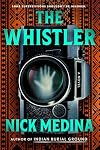
The Whistler kept me up way too late on several nights. On the surface, it's a story about a (literally and figuratively) haunted ex-ghost hunter adapting to life after an accident paralyzes him. It’s also a story about fault, guilt, and blame—and the differences between them.
There are two things that I most appreciated about Nick Medina’s story.
The first thing is the frankness with which Henry’s quadriplegia is handled. It’s neither treated as a fate worse than death, nor are show more the messy complications (including things like elimination and sexual function) swept under the rug. Henry’s quadriplegia is a facet of the horror in The Whistler, but a lot of that is due to the ableism he encounters or has internalized.
The second (and more important) thing is Henry’s humanity. Henry gets to be a deeply flawed but sympathetic character. There were times when I wanted to shake him, but I could still recognize the warped lens he was seeing the world through. Henry makes mistakes and the text calls out those mistakes without softening them with ableist infantilizations or sharpening them with just-world fallacy cruelties.
Kudos to Medina for writing a medical condition that frightened him with empathy and respect for the people who live with it. show less
There are two things that I most appreciated about Nick Medina’s story.
The first thing is the frankness with which Henry’s quadriplegia is handled. It’s neither treated as a fate worse than death, nor are show more the messy complications (including things like elimination and sexual function) swept under the rug. Henry’s quadriplegia is a facet of the horror in The Whistler, but a lot of that is due to the ableism he encounters or has internalized.
The second (and more important) thing is Henry’s humanity. Henry gets to be a deeply flawed but sympathetic character. There were times when I wanted to shake him, but I could still recognize the warped lens he was seeing the world through. Henry makes mistakes and the text calls out those mistakes without softening them with ableist infantilizations or sharpening them with just-world fallacy cruelties.
Kudos to Medina for writing a medical condition that frightened him with empathy and respect for the people who live with it. show less
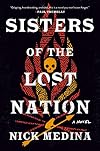
Girls begin to go missing on the reservation. Tragedy strikes at home when Anna’s sister is the latest victim. Anna vows to find her.
SISTERS OF THE LOST NATION was a gripping read that mixed elements of mythological horror, thriller, and mystery. I loved the writing and was drawn in from page one. The timeline is nonlinear and felt a little chaotic toward the beginning of the book, though I think this worked well overall given what the characters were experiencing. Anna’s character was show more really well developed. The world-building was excellent, making me feel like I was there. The plot moved at a quick pace and had me eagerly turning pages. I loved how the mythological horror was wrapped in. I’m not a huge fan of horror and found that this book had just the right amount to give creepy vibes without leaving me afraid of having nightmares. It’s more within the thriller genre. There’s a lot of social commentary throughout and thought-provoking topics which combined with the emotional aspects leave this book destined to be in my memory for a while. The story as a piece of fiction is sad, but even more heartbreaking is that it is not far off from being true as thousands of Indigenous women and girls are reported missing with the actual number likely higher due to unreported cases. The author’s note at the end is a must read.
SISTERS OF THE LOST NATION was a gripping read that will not be easily forgotten. I would highly recommend it to fans of mythological horror, thrillers, and Indigenous stories.
Thank you to Berkley for the giveaway ARC. show less
SISTERS OF THE LOST NATION was a gripping read that mixed elements of mythological horror, thriller, and mystery. I loved the writing and was drawn in from page one. The timeline is nonlinear and felt a little chaotic toward the beginning of the book, though I think this worked well overall given what the characters were experiencing. Anna’s character was show more really well developed. The world-building was excellent, making me feel like I was there. The plot moved at a quick pace and had me eagerly turning pages. I loved how the mythological horror was wrapped in. I’m not a huge fan of horror and found that this book had just the right amount to give creepy vibes without leaving me afraid of having nightmares. It’s more within the thriller genre. There’s a lot of social commentary throughout and thought-provoking topics which combined with the emotional aspects leave this book destined to be in my memory for a while. The story as a piece of fiction is sad, but even more heartbreaking is that it is not far off from being true as thousands of Indigenous women and girls are reported missing with the actual number likely higher due to unreported cases. The author’s note at the end is a must read.
SISTERS OF THE LOST NATION was a gripping read that will not be easily forgotten. I would highly recommend it to fans of mythological horror, thrillers, and Indigenous stories.
Thank you to Berkley for the giveaway ARC. show less
While I still haven't untangled what all was myth and what all was reality, I enjoyed the haunting in the background of this already difficult life of addiction and mental health issues. It's a good lens into the issues that often plague those relegated to reservations who have been stripped of all their heritage and resources.
Lists
Awards


You May Also Like
Associated Authors
Statistics
- Works
- 3
- Also by
- 1
- Members
- 811
- Popularity
- #31,468
- Rating
- 3.8
- Reviews
- 29
- ISBNs
- 15