
Elizabeth Kytle
Author of Home on the Canal
Works by Elizabeth Kytle
Tagged
Common Knowledge
- Gender
- female
Members
Reviews
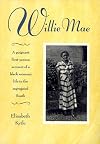
Published in 1958, the white author says in her introduction: "Willie Mae is not a "race book" and it's not a "woman's book". WRONG! This is a much better recounting of lives of black women working as domestics than the lame novel The Help, which focused on the white girl who thinks she's their savior. Willie Mae tells her own story as she grows up in Georgia after the Depression, losing her parents at a young age. She goes on to raise several of her siblings and to somehow survive the show more cruelties of the families that employed her as cook and nanny for two dollars a week but would not eat off the same plates she used.
Despite the painful misery of segregation, there are exciting times. Willie Mae triumphs when she moves into a new apartment in one of the first public housing projects built in Atlanta. She meets President and Mrs. Roosevelt three weeks before his death. Another memorable passage (quite remarkable considering today's police violence against people of color) occurs when Atlanta hires its first crop of black police officers, who are followed around the streets of the city for days by admiring community members.
One of the strongest pleasures of Willie Mae's story is the in the incredibly vivid phrases, so rich that they must be shared. Many of them are completely alien to me, being from the North:
- I can't study it out
- dropstitch was all the go then
- she lowrated you like a dog
- she scared me pea green and popeyed
- I know I'm on a spot now
- this backward heifer
- he wasn't much more than a milk-tooth kid
- when police think you're writing for the bug
- they sure put on the dog
- he ain't just talking to fan the breeze
- the lump in the sauce was that he knew he was colored
- you have to be rich as a county commissioner
- like a tuck-tail dog show less
Despite the painful misery of segregation, there are exciting times. Willie Mae triumphs when she moves into a new apartment in one of the first public housing projects built in Atlanta. She meets President and Mrs. Roosevelt three weeks before his death. Another memorable passage (quite remarkable considering today's police violence against people of color) occurs when Atlanta hires its first crop of black police officers, who are followed around the streets of the city for days by admiring community members.
One of the strongest pleasures of Willie Mae's story is the in the incredibly vivid phrases, so rich that they must be shared. Many of them are completely alien to me, being from the North:
- I can't study it out
- dropstitch was all the go then
- she lowrated you like a dog
- she scared me pea green and popeyed
- I know I'm on a spot now
- this backward heifer
- he wasn't much more than a milk-tooth kid
- when police think you're writing for the bug
- they sure put on the dog
- he ain't just talking to fan the breeze
- the lump in the sauce was that he knew he was colored
- you have to be rich as a county commissioner
- like a tuck-tail dog show less
Statistics
- Works
- 5
- Members
- 72
- Popularity
- #243,042
- Rating
- 3.4
- Reviews
- 1
- ISBNs
- 10