
Trini Amador
Author of Gracianna
Works by Trini Amador
Tagged
Common Knowledge
There is no Common Knowledge data for this author yet. You can help.
Members
Reviews
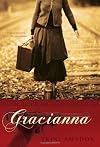
Gracianna is a fictionalized account of the life of the author’s great-grandmother. Inspired by his discovery of a loaded German Luger in her house when he was only four years old, Trini learned all he could of her life from his relatives. He filled in the gaps with a gripping tale of a courageous woman recruited into the French resistance during the Nazi occupation of Paris and forced to make some very difficult choices.
At the beginning, I wasn’t sure I was going to be able to get into show more the story of Gracianna. The scene where the author found the German Luger left me far less terrified than I would expect to be by a scene involving a four year old and a gun. The story continued in a choppy fashion, with every chapter broken up into very short and often disconnected scenes by section labels. There was also a lot of telling instead of showing and the dialogue felt a bit stilted. However, early on a picture of Gracianna’s character started to emerge and I liked her. I liked her a lot. She was a very good, very strong woman. It was enough to keep me enjoying the story and it only got better from there.
As the pace of the plot picked up, it became more common for the scenes separated by section breaks to immediately follow one another. That made it easier to ignore the breaks and it only got easier as I got sucked into the intense plot. By the end, the story was flowing very smoothly for me and I couldn’t put it down. I also started to notice some truly beautiful phrases and well-crafted sentences. Although I liked the writing better as I went, it still didn’t overshadow my favorite part - the main character. Even writing this review over a week after finishing the book, I have a very strong impression of what Gracianna was like and again, I liked her. It was incredible to read about someone so brave and so willing to sacrifice herself for others. And even if the brave parts were fictionalized, I think it added to the story that the beginning and the ending were anchored in the truth. Like Anna Karenina, this is a book I would recommend particularly for it’s ability to bring one very striking woman vividly to life.
This review first published on Doing Dewey. show less
At the beginning, I wasn’t sure I was going to be able to get into show more the story of Gracianna. The scene where the author found the German Luger left me far less terrified than I would expect to be by a scene involving a four year old and a gun. The story continued in a choppy fashion, with every chapter broken up into very short and often disconnected scenes by section labels. There was also a lot of telling instead of showing and the dialogue felt a bit stilted. However, early on a picture of Gracianna’s character started to emerge and I liked her. I liked her a lot. She was a very good, very strong woman. It was enough to keep me enjoying the story and it only got better from there.
As the pace of the plot picked up, it became more common for the scenes separated by section breaks to immediately follow one another. That made it easier to ignore the breaks and it only got easier as I got sucked into the intense plot. By the end, the story was flowing very smoothly for me and I couldn’t put it down. I also started to notice some truly beautiful phrases and well-crafted sentences. Although I liked the writing better as I went, it still didn’t overshadow my favorite part - the main character. Even writing this review over a week after finishing the book, I have a very strong impression of what Gracianna was like and again, I liked her. It was incredible to read about someone so brave and so willing to sacrifice herself for others. And even if the brave parts were fictionalized, I think it added to the story that the beginning and the ending were anchored in the truth. Like Anna Karenina, this is a book I would recommend particularly for it’s ability to bring one very striking woman vividly to life.
This review first published on Doing Dewey. show less
This is a fictionalized retelling of the author's grandmother's experiences during the Nazi occupation of Paris during WWII. The basic story components are true but obviously any dialog and actions had to be spun out of his imagination after talking with family members and understanding and just knowing the people involved. What it gives to the reader is a an extremely personal and truly horrifying look at War and its impacts on individuals.
Gracianna starts life as a young girl in the Basque show more region of France. Her mother dies in childbirth, her father is unknown and she and her sister are left in the care of her grandmother. A grandmother who teaches her that perfect isn't good enough. Gracianna grows up to be a very hard working perfectionist determined to do better in life. Determined to get to America. She leaves all she knows and heads to Paris to find work and start saving. The rumblings of war are just starting but she manages to find a job and with her work ethic and personality she soon becomes part of the community.
Juan, the young man who cares for her decides he will follow her to Paris and try to get to America too - either with or without Gracianna. She is very happy to see him and he too, soon becomes at home.
Then the Nazis take over Paris and life changes for everyone. At this tense time Gracianna's sister Constance arrives acting like it's some kind of party. Her attitude and actions will create situations that strain their relationship impact both their lives in ways Constance could never foresee.
This was a very compelling tale, I think made all the more impactful because I knew it was based in fact. Gracianna must have been an amazing woman albeit one who made some very hard decisions in her life. She was I think a hard woman but I'm not sure she had much choice. Mr. Amador writes her story with balance, truth and love. It wasn't always easy to read but it is so very worth reading. I found that once I started I had a very hard time putting it down. I was terribly disappointed when it ended - I wanted to follow Gracianna in her post war life. show less
Gracianna starts life as a young girl in the Basque show more region of France. Her mother dies in childbirth, her father is unknown and she and her sister are left in the care of her grandmother. A grandmother who teaches her that perfect isn't good enough. Gracianna grows up to be a very hard working perfectionist determined to do better in life. Determined to get to America. She leaves all she knows and heads to Paris to find work and start saving. The rumblings of war are just starting but she manages to find a job and with her work ethic and personality she soon becomes part of the community.
Juan, the young man who cares for her decides he will follow her to Paris and try to get to America too - either with or without Gracianna. She is very happy to see him and he too, soon becomes at home.
Then the Nazis take over Paris and life changes for everyone. At this tense time Gracianna's sister Constance arrives acting like it's some kind of party. Her attitude and actions will create situations that strain their relationship impact both their lives in ways Constance could never foresee.
This was a very compelling tale, I think made all the more impactful because I knew it was based in fact. Gracianna must have been an amazing woman albeit one who made some very hard decisions in her life. She was I think a hard woman but I'm not sure she had much choice. Mr. Amador writes her story with balance, truth and love. It wasn't always easy to read but it is so very worth reading. I found that once I started I had a very hard time putting it down. I was terribly disappointed when it ended - I wanted to follow Gracianna in her post war life. show less
I'm having a bit of trouble writing this review. Gracianna is such a powerful and impactful novel, I want to be sure to get it right. I guess I'll start at the beginning with who it all starts...Gracianna herself. What a memorable character! And to know that her character was 'inspired' by the author's grandmother, to know that this person was real, it's just amazing. I have never read a book with a character quite like Gracianna. Strong willed and determined, yet perceptive and loyal, this show more is a character one never gets tired of reading about. Her story is inspiring, to say the least.
In the story, we also get a terrible look at Nazi occupied France during WWII and even a satellite camp of Auschwitz, the most horrible concentration camp, according to the historical record. Through a series of events, Gracianna's sister is sent to the camp, although she is not a Jew. Gracianna goes above and beyond the call of duty to secure her sister's release. I do not want to go into too much detail because I'll give away the story and it's a very exciting story. I was on the edge of my seat from the middle of the book until the end. I cannot imagine the fear people lived in during the Holocaust. Everyone had to live in fear of the Nazis. This fear was palpable. While reading, I really felt it in my gut.
In the author's afterword, Amador made a good point of why he wanted to tell Gracianna's story:
I wanted to convey my understanding of her values and what they meant to her, and what they took from her and what she gave us. I believe these values were always on her mind, never far from her always-moist, pursed lips and French-accented thoughts. I wanted to understand her values and convictions and compare them to now-values, and I wondered, "What might today's generation believe in so strongly that it would cause them to act so desperately...What is it that is so important that each of us would act upon it, based on our values, beliefs, and attitudes today?"
This was a good point because I found myself wondering what I would do in a similar situation. It really is hard to imagine having to live through those times.
These stories are important because we must never forget what happened in WWII. How many people died...were killed....because they were different. This must never be allowed to happen in our society again. Would that everyone in the world had the character and moral fortitude of Gracianna. The world would be a better place indeed.
Gracianna is simply a must-read. show less
In the story, we also get a terrible look at Nazi occupied France during WWII and even a satellite camp of Auschwitz, the most horrible concentration camp, according to the historical record. Through a series of events, Gracianna's sister is sent to the camp, although she is not a Jew. Gracianna goes above and beyond the call of duty to secure her sister's release. I do not want to go into too much detail because I'll give away the story and it's a very exciting story. I was on the edge of my seat from the middle of the book until the end. I cannot imagine the fear people lived in during the Holocaust. Everyone had to live in fear of the Nazis. This fear was palpable. While reading, I really felt it in my gut.
In the author's afterword, Amador made a good point of why he wanted to tell Gracianna's story:
I wanted to convey my understanding of her values and what they meant to her, and what they took from her and what she gave us. I believe these values were always on her mind, never far from her always-moist, pursed lips and French-accented thoughts. I wanted to understand her values and convictions and compare them to now-values, and I wondered, "What might today's generation believe in so strongly that it would cause them to act so desperately...What is it that is so important that each of us would act upon it, based on our values, beliefs, and attitudes today?"
This was a good point because I found myself wondering what I would do in a similar situation. It really is hard to imagine having to live through those times.
These stories are important because we must never forget what happened in WWII. How many people died...were killed....because they were different. This must never be allowed to happen in our society again. Would that everyone in the world had the character and moral fortitude of Gracianna. The world would be a better place indeed.
Gracianna is simply a must-read. show less
This is a fictionalized account of the early life of the author's grandmother, a Basque woman born on the French-Spanish border before WWII. One of his first memories as a child is finding a German Luger in her California home. The story of how she got there is no doubt a fascinating one, although how much of this book actually happened is not clear. But the fact she & her husband even survived to emigrate is amazing.
We first meet Gracianna "Gras" Arrayet as a child, growing up in a house of show more women in the rural Pyrenees. It's a hard, simple life. Gras loves her mother, grandmother & younger sister Constance. And books. She reads everything in sight when not cleaning, particularly enjoying the folk tales & proverbs of her culture. But she's a restless soul who dreams of one day going to America.
Her friend Juan is a farmer & sheepherder. He's not as ambitious but as they mature, begins to think Gras might be right.
This is the story of how they end up there, by way of pre-war Paris. Gras goes first, to work & save the money needed for the trip. One by one, Juan & Constance follow her & soon all three are caught up with resistance fighters as the Nazi's seize control of the city. Their actions & experiences will stay with them for the rest of their lives.
This is a hard book to review. It's narrated in the third person so we're told everything that happens but I ended up feeling strangely removed from what should have been incredibly dramatic & heart breaking situations that put the reader through the emotional wringer. It's laid out factually in simple prose & dialogue is oddly stilted, as though poorly translated from another language. Italics & exclamation points are used generously throughout as if to let you know what's important but these can't replace the emotion the reader would have felt if the story had been fleshed out & told by each character through their eyes.
Also, Gras had a tendency to speak in proverbs & adages from the Basque culture & sometimes I longed to hear her talk & describe how she felt just as a young woman. I actually found Constance's story more interesting at times as her thoughts & reactions felt more natural & I could relate to her more easily (no spoilers but her experience was truly horrific).
The one thing we can all agree on is this was an exceptional couple who endured what most of us cannot even begin to comprehend. Their story should be told but I wonder if a straight up biography or memoir might have been a better choice as the writing here lacks the polish necessary for compelling fiction. show less
We first meet Gracianna "Gras" Arrayet as a child, growing up in a house of show more women in the rural Pyrenees. It's a hard, simple life. Gras loves her mother, grandmother & younger sister Constance. And books. She reads everything in sight when not cleaning, particularly enjoying the folk tales & proverbs of her culture. But she's a restless soul who dreams of one day going to America.
Her friend Juan is a farmer & sheepherder. He's not as ambitious but as they mature, begins to think Gras might be right.
This is the story of how they end up there, by way of pre-war Paris. Gras goes first, to work & save the money needed for the trip. One by one, Juan & Constance follow her & soon all three are caught up with resistance fighters as the Nazi's seize control of the city. Their actions & experiences will stay with them for the rest of their lives.
This is a hard book to review. It's narrated in the third person so we're told everything that happens but I ended up feeling strangely removed from what should have been incredibly dramatic & heart breaking situations that put the reader through the emotional wringer. It's laid out factually in simple prose & dialogue is oddly stilted, as though poorly translated from another language. Italics & exclamation points are used generously throughout as if to let you know what's important but these can't replace the emotion the reader would have felt if the story had been fleshed out & told by each character through their eyes.
Also, Gras had a tendency to speak in proverbs & adages from the Basque culture & sometimes I longed to hear her talk & describe how she felt just as a young woman. I actually found Constance's story more interesting at times as her thoughts & reactions felt more natural & I could relate to her more easily (no spoilers but her experience was truly horrific).
The one thing we can all agree on is this was an exceptional couple who endured what most of us cannot even begin to comprehend. Their story should be told but I wonder if a straight up biography or memoir might have been a better choice as the writing here lacks the polish necessary for compelling fiction. show less
Statistics
- Works
- 1
- Members
- 40
- Popularity
- #370,099
- Rating
- 4.1
- Reviews
- 11
- ISBNs
- 7