
Stefan Chwin
Author of Death in Danzig
About the Author
Image credit: Mariusz Kubik
Works by Stefan Chwin
Tagged
Common Knowledge
- Birthdate
- 1949-04-11
- Gender
- male
- Birthplace
- Gdansk, Poland
- Associated Place (for map)
- Gdansk, Poland
Members
Reviews
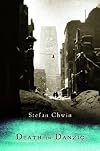
Spherical, wonderfully written Polish novel about Danzig in transition from a nazi occupied Prussian city to a drab communist town, following the fates of a limited number of characters. Chwin is a master of leaving out details (about some people’s pasts), while emphasizing sound, colour and shape of the environment and combining this with meticulous descriptions from the perspective of the main characters, who all live(d) in the same street.
The novel opens with a dramatic event affecting show more Hanemann, professor of anatomy, who is confronted with the drowned corpse of his love during a dissection class. The man walks out, never to return at the Institute where he teaches. In a way this sets the tone and timbre of the rest of the novel – it is about humanity, not about what role people have played in the war or the pros and cons of one dictatorship replacing another. It is about a street and its inhabitants in transition, coming out of a horrific war, settling in for a stifling dictatorship.
At the start Danzig is in the middle of the final war siege, under bombardment, with many Germans fleeing through the last ships which dock in at the harbour. Several memorable scenes describe in a day-to-day, casual manner how people seek to flee whilst being hit by planes, by artillery shells, or by collapsing buildings. The W family manages to get out on the Bernlof, a pre-war time cruise ship, but Hanemann is not so lucky, he tries but wanders back. New arrivals like the Polish family fleeing from Warsaw, seek out empty houses in the street and occupy those. Later it transpires the Bernlof was sunk with most of its passengers drowned. A girl from the Ukraine arrives in the Polish home – everything she touches shines, a kindred spirit, but housed in a tormented body. At some stage she attacks Hanemann, displaying all the signs of war-time trauma. Later, when a deaf-mute boy gate crashes at the Polish home, she learns sign language from Hanemann, developing quite an affectionate bond.
In the end it seems a state of harmony is achieved between all the flotsam of new inhabitants, but then rumours seep through that both Hanemann and the Ukrainian girl will be picked up because of suspected unpatriotic inclinations. They both have to flee, while abducting the deaf-mute boy. They leave but are never heard of again… The new regime kicks into gear and a shadow descends on the city. show less
The novel opens with a dramatic event affecting show more Hanemann, professor of anatomy, who is confronted with the drowned corpse of his love during a dissection class. The man walks out, never to return at the Institute where he teaches. In a way this sets the tone and timbre of the rest of the novel – it is about humanity, not about what role people have played in the war or the pros and cons of one dictatorship replacing another. It is about a street and its inhabitants in transition, coming out of a horrific war, settling in for a stifling dictatorship.
At the start Danzig is in the middle of the final war siege, under bombardment, with many Germans fleeing through the last ships which dock in at the harbour. Several memorable scenes describe in a day-to-day, casual manner how people seek to flee whilst being hit by planes, by artillery shells, or by collapsing buildings. The W family manages to get out on the Bernlof, a pre-war time cruise ship, but Hanemann is not so lucky, he tries but wanders back. New arrivals like the Polish family fleeing from Warsaw, seek out empty houses in the street and occupy those. Later it transpires the Bernlof was sunk with most of its passengers drowned. A girl from the Ukraine arrives in the Polish home – everything she touches shines, a kindred spirit, but housed in a tormented body. At some stage she attacks Hanemann, displaying all the signs of war-time trauma. Later, when a deaf-mute boy gate crashes at the Polish home, she learns sign language from Hanemann, developing quite an affectionate bond.
In the end it seems a state of harmony is achieved between all the flotsam of new inhabitants, but then rumours seep through that both Hanemann and the Ukrainian girl will be picked up because of suspected unpatriotic inclinations. They both have to flee, while abducting the deaf-mute boy. They leave but are never heard of again… The new regime kicks into gear and a shadow descends on the city. show less

Ehhez nekem most nem volt türelmem. Nem tudom eldönteni, ez milyen arányban az én hibám, és milyen arányban a szövegé. Zavart a nyelv, amit alkalmilag körülményeskedőnek éreztem*, de még inkább zavart a központi probléma. Ami – voltaképpen, hovatovább és végeredményben – nem más, mint hogy etikus-e megbuktatni egy diákot a vizsgán. Jó, ne bagatellizáljuk el a helyzetet, el tudom képzelni, hogy egy Jakub nevezetű professzor szívére veszi diákja show more vélelmezett öngyilkosságát, és belefeszül a gondolatba, hogy egy halál okozója lett. De annyira, hogy ennek következtében tulajdonképpen lekapcsolódik a társadalomról, radikálisan ledob magáról minden világi felelősséget, kvázi nekiáll lerombolni magát, hogy – talán – újra felépülhessen. Mondom, el tudom ezt képzelni. De csupán a gazdag fantáziám miatt, és nem azért, mert a könyv el tudta velem hitetni.
Egyszerűen nem állt össze. Csapongó volt, odakent ok-okozati viszonyokkal operáló, rossz értelemben szimbolista, olyasmi, amit képtelen voltam komolyan venni. Nem tudott lekötni, folyvást pislogtam ki a könyvből, kerestem az indokot, hogy letehessem, és utána alig tudtam megint felvenni. Mondom, ez nem biztos, hogy száz százalékig a könyv hibája – talán egy kevésbé masszív, kevésbé zajos külső valóság nem fektette volna ennyire két vállra az olvasási élményt -, egyezzünk ki 50-50-ben.
Idióta Putyin, hagyjál olvasni. Odass, mi van ott! Egy krakagyil! Menjél, nézzél be a szájába, ott vagyok-e.
* „Dr. N. éppen akkor múlt negyvenkilenc éves. Az ambiciózus férfiak számára veszélyes ez a kor, mert innentől fogva égető szükségét érzik, hogy alábecsüljék az élet festői tarlóján a kévék számát.” Erről például egy ideig el se tudtam dönteni, hogy tetszik-e, vagy sem. Aztán úgy véltem, nem. show less
Egyszerűen nem állt össze. Csapongó volt, odakent ok-okozati viszonyokkal operáló, rossz értelemben szimbolista, olyasmi, amit képtelen voltam komolyan venni. Nem tudott lekötni, folyvást pislogtam ki a könyvből, kerestem az indokot, hogy letehessem, és utána alig tudtam megint felvenni. Mondom, ez nem biztos, hogy száz százalékig a könyv hibája – talán egy kevésbé masszív, kevésbé zajos külső valóság nem fektette volna ennyire két vállra az olvasási élményt -, egyezzünk ki 50-50-ben.
Idióta Putyin, hagyjál olvasni. Odass, mi van ott! Egy krakagyil! Menjél, nézzél be a szájába, ott vagyok-e.
* „Dr. N. éppen akkor múlt negyvenkilenc éves. Az ambiciózus férfiak számára veszélyes ez a kor, mert innentől fogva égető szükségét érzik, hogy alábecsüljék az élet festői tarlóján a kévék számát.” Erről például egy ideig el se tudtam dönteni, hogy tetszik-e, vagy sem. Aztán úgy véltem, nem. show less

Awards


You May Also Like
Associated Authors
Statistics
- Works
- 13
- Members
- 139
- Popularity
- #147,350
- Rating
- 3.6
- Reviews
- 3
- ISBNs
- 40
- Languages
- 7