
Lois Crisler
Author of Arctic Wild: The Remarkable True Story of One Couple's Adventures Living Among Wolves
About the Author
Works by Lois Crisler
Arctic Wild: The Remarkable True Story of One Couple's Adventures Living Among Wolves (1973) 119 copies, 4 reviews
Vita coi Lupi. 2 copies
Associated Works
Tagged
Common Knowledge
- Gender
- female
Members
Reviews

Lois Crisler and her husband spent 18 months living in the wild on the arctic tundra as part of a wildlife documentary film assignment, photographing and filming caribou migrations and raising two litters of free range (more or less) wolf pups stolen for them by Eskimos.
It is a slow book… I initially found Lois’ writing style unfocused and chatty, chronicling practical preparations and circumstances and not really getting to a point. Even the occasional danger-charged visits by roaming show more grizzlies seemed tedious. I’m not complaining about it, I think the pragmatism and slowness realistically reflects the character of such a journey, but I must admit I skipped through some of the first 75 pages, bored.
Once Lois and Cris get their first two wolf pups and situate in their desolate tundra camp, a unique and intensely quiet story unfolds, stunningly beautiful in its vivid descriptions of the seasonal transformations of the tundra and the everyday life and death dramas of its wild inhabitants that otherwise take place largely unobserved by humans. Reading it was almost like being there, overwhelmed by the Big freezing darkness, chronic snow storms that aren’t really snowstorms, and Northern Lights.
The essence of the story is the couple’s bond with and growing understanding of their adopted wolf pups that run free on the tundra (eventually), travel and hunt and get themselves in trouble like wild wolves do. These observations, musing and overcoming of merciless obstacles, along with the photographic documentation, provide a unique and intense insight into wolves’ natural behaviour which pioneered the understanding of wolf behaviour in their time and perhaps still do, although much more is known about wolves in the wild today.
The book is captivating and brilliant and brings unique insight from a highly unusual and personal perspective.
That said, there are also things about the book I don’t like. Lois’ emotional and dreamy prose worried me at times and seemed naive or even irresponsible; some of the couple’s choices seem to bring predictable ethical challenges that I don’t understand they didn’t prepare for ahead of time, since they clearly are people who care about consequences, and in many ways relate to the wolves as if they were their adopted children.
At times it was as if the story was the top of the iceberg of an underlying epic drama between good & evil; or between the brilliance of the Wild VS the mediocrity of Civilisation. I didn’t like Lois’ “spiritualising” of the wolves, and her scarcely concealed contempt for dogs. The wolves are shining free spirits, the dogs the pity slaves of civilisation; their spirit corrupted and their hearts “fierce” (whereas the wolves’ hearts are “gentle”)… according to Lois.
It is a black and white world view which doesn’t benefit the animals or Lois’ decision making capabilities or ability to make observe animals objectively (and she clearly doesn’t know much about dogs).
In conclusion, Arctic Wild is a unique true story definitely worth reading for its deep personal insights into wolf behaviour and everyday wildlife on the arctic tundra, while it is also in some ways unsettling irrational and should be taken with a grain of salt. show less
It is a slow book… I initially found Lois’ writing style unfocused and chatty, chronicling practical preparations and circumstances and not really getting to a point. Even the occasional danger-charged visits by roaming show more grizzlies seemed tedious. I’m not complaining about it, I think the pragmatism and slowness realistically reflects the character of such a journey, but I must admit I skipped through some of the first 75 pages, bored.
Once Lois and Cris get their first two wolf pups and situate in their desolate tundra camp, a unique and intensely quiet story unfolds, stunningly beautiful in its vivid descriptions of the seasonal transformations of the tundra and the everyday life and death dramas of its wild inhabitants that otherwise take place largely unobserved by humans. Reading it was almost like being there, overwhelmed by the Big freezing darkness, chronic snow storms that aren’t really snowstorms, and Northern Lights.
The essence of the story is the couple’s bond with and growing understanding of their adopted wolf pups that run free on the tundra (eventually), travel and hunt and get themselves in trouble like wild wolves do. These observations, musing and overcoming of merciless obstacles, along with the photographic documentation, provide a unique and intense insight into wolves’ natural behaviour which pioneered the understanding of wolf behaviour in their time and perhaps still do, although much more is known about wolves in the wild today.
The book is captivating and brilliant and brings unique insight from a highly unusual and personal perspective.
That said, there are also things about the book I don’t like. Lois’ emotional and dreamy prose worried me at times and seemed naive or even irresponsible; some of the couple’s choices seem to bring predictable ethical challenges that I don’t understand they didn’t prepare for ahead of time, since they clearly are people who care about consequences, and in many ways relate to the wolves as if they were their adopted children.
At times it was as if the story was the top of the iceberg of an underlying epic drama between good & evil; or between the brilliance of the Wild VS the mediocrity of Civilisation. I didn’t like Lois’ “spiritualising” of the wolves, and her scarcely concealed contempt for dogs. The wolves are shining free spirits, the dogs the pity slaves of civilisation; their spirit corrupted and their hearts “fierce” (whereas the wolves’ hearts are “gentle”)… according to Lois.
It is a black and white world view which doesn’t benefit the animals or Lois’ decision making capabilities or ability to make observe animals objectively (and she clearly doesn’t know much about dogs).
In conclusion, Arctic Wild is a unique true story definitely worth reading for its deep personal insights into wolf behaviour and everyday wildlife on the arctic tundra, while it is also in some ways unsettling irrational and should be taken with a grain of salt. show less
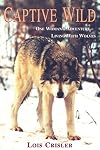
Disgusting book, author and her husband playing "God" with wild wolves, allowing interspecies breeding and overbreeding of other animals and an almost cavalier attitude towards putting problem/unwanted animals down. Animals should have never been bred in the first place.
Arctic Wild: The Remarkable True Story of One Couple's Adventures Living Among Wolves by Lois Crisler
Touted as a classic, I was disturbed by this book and the author's attitudes towards keeping wolves as captives.
3195. Arctic Wild, by Lois Crisler (read May 14, 1999) This is an account written in the 1950's about time in the Alaska Arctic alone by the author and her husband with wolves they befriended. It is rather artlessly written and I don't see it as having the classic status that a book such as Never Cry Wolf, by Farley Mowat (read 9 Nov 1986) has. Or animal books like Born Free (read 23 Nov 1986), A Ring of Bright Water (read 16 Nov 1986), The Incrdible Journey (read Nov 12, 1972 and re-read(!) show more 15 Apr 1991), and The Dog Who Wouldn't Be (read Nov 24, 1986). show less
You May Also Like
Associated Authors
Statistics
- Works
- 5
- Also by
- 1
- Members
- 140
- Popularity
- #146,472
- Rating
- 3.6
- Reviews
- 5
- ISBNs
- 10
- Languages
- 1