
J. D. Horn
Author of The Line
Series
Works by J. D. Horn
A Peculiar Paradise: A Short Story 2 copies
One Bad Apple 1 copy
Pitch 1 copy
The Stars are Fire 1 copy
Associated Works
Tagged
Common Knowledge
- Legal name
- Horn, Jack Douglas
- Gender
- male
Members
Reviews
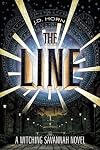
20-year old fraternal twins Mercy and Maisie Taylor are the youngest in a long-established, Savannah-based family of witches. While Maisie seems destined for great things, Mercy has inherited no magical gifts, much to the dismay and scorn of the rest of the family, particularly Great Aunt Ginny. When Maisie finds Ginny murdered, her head bashed in, suspicion falls on the Taylor themselves. But this is the least of the witching community’s worries. Ginny was one of a few powerful show more “anchors” who hold the “line”, a magical boundary which keeps demons and evil spirits from taking over the world of the living. Ginny’s death threatens to disrupt the fragile balance between the two worlds. The anchor needs to be replaced but who will the Power choose?
In “The Line”, the first of a projected series of novels, J.D.Horn taps into the time-honoured tradition of the Southern Gothic and borrows, somewhat indiscriminately, several tropes of the genre – witches, hoodoo, curses and prophecies, restless spirits, family secrets and sensational revelations, revenge and sudden bursts of violence. There's even a seven-foot golem. The context however is clearly contemporary, making the novel more of an “urban fantasy”. Horn also tones down the darker aspects of the story through judicious use of humour and romance and elements of the coming-of-age novel.
The Line’s strongest point is the narrator and protagonist – Mercy Taylor. By turns feisty and insecure, proud and self-deprecating, she seems to embody the fears and joys and the many contradictions of youth. In Mercy, Horn has created a likeable character who should appeal particularly to the young adult demographic.
This is a highly entertaining novel which augurs well for the rest of the series. 3.5 stars.
This review is of a copy sent to me by the author, whom I thank. show less
In “The Line”, the first of a projected series of novels, J.D.Horn taps into the time-honoured tradition of the Southern Gothic and borrows, somewhat indiscriminately, several tropes of the genre – witches, hoodoo, curses and prophecies, restless spirits, family secrets and sensational revelations, revenge and sudden bursts of violence. There's even a seven-foot golem. The context however is clearly contemporary, making the novel more of an “urban fantasy”. Horn also tones down the darker aspects of the story through judicious use of humour and romance and elements of the coming-of-age novel.
The Line’s strongest point is the narrator and protagonist – Mercy Taylor. By turns feisty and insecure, proud and self-deprecating, she seems to embody the fears and joys and the many contradictions of youth. In Mercy, Horn has created a likeable character who should appeal particularly to the young adult demographic.
This is a highly entertaining novel which augurs well for the rest of the series. 3.5 stars.
This review is of a copy sent to me by the author, whom I thank. show less
20-year old fraternal twins Mercy and Maisie Taylor are the youngest in a long-established, Savannah-based family of witches. While Maisie seems destined for great things, Mercy has inherited no magical gifts, much to the dismay and scorn of the rest of the family, particularly Great Aunt Ginny. When Maisie finds Ginny murdered, her head bashed in, suspicion falls on the Taylor themselves. But this is the least of the witching community’s worries. Ginny was one of a few powerful show more “anchors” who hold the “line”, a magical boundary which keeps demons and evil spirits from taking over the world of the living. Ginny’s death threatens to disrupt the fragile balance between the two worlds. The anchor needs to be replaced but who will the Power choose?
In “The Line”, the first of a projected series of novels, J.D.Horn taps into the time-honoured tradition of the Southern Gothic and borrows, somewhat indiscriminately, several tropes of the genre – witches, hoodoo, curses and prophecies, restless spirits, family secrets and sensational revelations, revenge and sudden bursts of violence. There's even a seven-foot golem. The context however is clearly contemporary, making the novel more of an “urban fantasy”. Horn also tones down the darker aspects of the story through judicious use of humour and romance and elements of the coming-of-age novel.
The Line’s strongest point is the narrator and protagonist – Mercy Taylor. By turns feisty and insecure, proud and self-deprecating, she seems to embody the fears and joys and the many contradictions of youth. In Mercy, Horn has created a likeable character who should appeal particularly to the young adult demographic.
This is a highly entertaining novel which augurs well for the rest of the series. 3.5 stars.
This review is of a copy sent to me by the author, whom I thank. show less
In “The Line”, the first of a projected series of novels, J.D.Horn taps into the time-honoured tradition of the Southern Gothic and borrows, somewhat indiscriminately, several tropes of the genre – witches, hoodoo, curses and prophecies, restless spirits, family secrets and sensational revelations, revenge and sudden bursts of violence. There's even a seven-foot golem. The context however is clearly contemporary, making the novel more of an “urban fantasy”. Horn also tones down the darker aspects of the story through judicious use of humour and romance and elements of the coming-of-age novel.
The Line’s strongest point is the narrator and protagonist – Mercy Taylor. By turns feisty and insecure, proud and self-deprecating, she seems to embody the fears and joys and the many contradictions of youth. In Mercy, Horn has created a likeable character who should appeal particularly to the young adult demographic.
This is a highly entertaining novel which augurs well for the rest of the series. 3.5 stars.
This review is of a copy sent to me by the author, whom I thank. show less
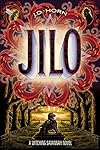
I’ve liked Jilo as a major character in the Witching Savannah Series as a powerful and clearly complex figure. She has awesome potential and we have a lot of allusions to a long and complex history. The problem is that this series is not about her, it was all about Mercy. Jilo’s relationship with Mercy has been very complex but, on the whole, it has been one of mentor and student. Or an almost maternal relationship. There are times when Jilo even refers to herself as Mercy’s mother show more figure
Of course, that’s a trope. It’s certainly a trope with an elderly Black woman with a young white lady in Savannah.
That made this book extremely necessary. It’s a book that focuses not just entirely on Jilo’s history but also on her family history and her magic as well. I think that’s extremely necessary because Mercy’s family has also been very much about her family history and the importance and uniqueness of her magic. By talking about Jilo’s family and relationship with magic we put her on an equal level of importance and value as Mercy
It also allows a wonderful expansion of the world building with us seeing magical systems and sources beyond Mercy’s family’s relationship with the Line and the Old Ones – and it’s equally as powerful while being completely different. Jilo’s family’s relationship with the Beekeeper and the old powers is only tangentially created related to the kind of magic that Mercy’s family practices. This shows there is magic beyond Mercy’s magic and that there are magical struggles and storylines that do not involve them. This is not Jilo playing a part in Mercy’ storyline. This is not Jilo living a lesser for of Mercy’s storyline. This is Jilo having an entirely separate magical storyline which doesn’t involve the Taylor family at all
Jilo’s family history goes back 3 generations – and it goes back 3 generations of Black people in Savannah, following them through the 20s, 30s, 40s, 50s and onwards. While this includes a lot of fascinating insight into the magical system and the desperate struggle each generation has faced to try and turn away from magic but inevitably be drawn back, it is equally a story of race in America and it permeates every element of the family’s story including the supernatural elements
We have rich white sorcerers who feel entitled to Jilo’s family’s magic and service, who constantly exploit and use them every generation and get away with it due to their wealth and race and power. As antagonists they are inherently people who force Jilo’s family to turn to magic time and again because in a system that makes them so vulnerable how else can the possibly protect themselves?
While that’s a common driving force for them seeking magic or being forced to resort to magic so is the simple realities of living in a racist, segregated time. The magic they have to turn to too survive not just against threats – but also economically. There’s Jilo’s grandmother, raising 4 young girls and increasingly too old to perform the hard physical labour of cleaning – magic, despite all her misgivings, provides an income when she has few other options.
That’s a definite part of Jilo’s own storyline that is defined by this. A single mother with no income and no chance to use her education. And she had an education and brilliant ambitions – but not chance to become the doctor she dreamed as a Black woman (flatly told that there were very few chances for Black doctors – and those choices should go to Black men who can actually help their community). Even her accent that seemed so stereotypical in the main books is revealed to be creation, along with the whole persona of “Mother Jilo”. In all, Jilo is a brilliant woman from a line of brilliant women – intelligent, wise, capable and determined – facing insurmountable obstacles and carrying on.
I also like that while race permeates their story, it isn’t the only obstacles they have faced, and it’s above and beyond the magical obstacles they face. They have both economic hurdles and even as simple as Jilo’s terrible terrible taste in men who have used her and failed her and exploited her time and time again. Jilo has led a hard life, not just from magic and not just from being Black but also from being a Black woman and with more than a few men willing to use her. Including these excellent lines when a man asks if Jilo’s child is his:
Read More show less
Of course, that’s a trope. It’s certainly a trope with an elderly Black woman with a young white lady in Savannah.
That made this book extremely necessary. It’s a book that focuses not just entirely on Jilo’s history but also on her family history and her magic as well. I think that’s extremely necessary because Mercy’s family has also been very much about her family history and the importance and uniqueness of her magic. By talking about Jilo’s family and relationship with magic we put her on an equal level of importance and value as Mercy
It also allows a wonderful expansion of the world building with us seeing magical systems and sources beyond Mercy’s family’s relationship with the Line and the Old Ones – and it’s equally as powerful while being completely different. Jilo’s family’s relationship with the Beekeeper and the old powers is only tangentially created related to the kind of magic that Mercy’s family practices. This shows there is magic beyond Mercy’s magic and that there are magical struggles and storylines that do not involve them. This is not Jilo playing a part in Mercy’ storyline. This is not Jilo living a lesser for of Mercy’s storyline. This is Jilo having an entirely separate magical storyline which doesn’t involve the Taylor family at all
Jilo’s family history goes back 3 generations – and it goes back 3 generations of Black people in Savannah, following them through the 20s, 30s, 40s, 50s and onwards. While this includes a lot of fascinating insight into the magical system and the desperate struggle each generation has faced to try and turn away from magic but inevitably be drawn back, it is equally a story of race in America and it permeates every element of the family’s story including the supernatural elements
We have rich white sorcerers who feel entitled to Jilo’s family’s magic and service, who constantly exploit and use them every generation and get away with it due to their wealth and race and power. As antagonists they are inherently people who force Jilo’s family to turn to magic time and again because in a system that makes them so vulnerable how else can the possibly protect themselves?
While that’s a common driving force for them seeking magic or being forced to resort to magic so is the simple realities of living in a racist, segregated time. The magic they have to turn to too survive not just against threats – but also economically. There’s Jilo’s grandmother, raising 4 young girls and increasingly too old to perform the hard physical labour of cleaning – magic, despite all her misgivings, provides an income when she has few other options.
That’s a definite part of Jilo’s own storyline that is defined by this. A single mother with no income and no chance to use her education. And she had an education and brilliant ambitions – but not chance to become the doctor she dreamed as a Black woman (flatly told that there were very few chances for Black doctors – and those choices should go to Black men who can actually help their community). Even her accent that seemed so stereotypical in the main books is revealed to be creation, along with the whole persona of “Mother Jilo”. In all, Jilo is a brilliant woman from a line of brilliant women – intelligent, wise, capable and determined – facing insurmountable obstacles and carrying on.
I also like that while race permeates their story, it isn’t the only obstacles they have faced, and it’s above and beyond the magical obstacles they face. They have both economic hurdles and even as simple as Jilo’s terrible terrible taste in men who have used her and failed her and exploited her time and time again. Jilo has led a hard life, not just from magic and not just from being Black but also from being a Black woman and with more than a few men willing to use her. Including these excellent lines when a man asks if Jilo’s child is his:
Read More show less
Totally Unexpected Excellence
What a wonderful, magical story with lovable, morally complex characters, a tight plot, vivid imagery and extensive creativity. The plot twists in the murder mystery along with other story arcs are fast and furious. You won't know what is really going on in the Taylor family of Savannah starting from the first words about the Liars Tour, through the entire book, until the final pages. When you get to see the outcome, you will be quite surprised.
The show more characterization was world-class, with even secondary characters being given intellectual, emotional and physical profiles as well as good backstory. The main characters are done so well that they almost feel like people you know.
The story itself is a a tightly plotted gem, using multiple story arcs to drive to a single dramatic conclusion. Each arc is tightly woven into the others and at points, they drive each other forward - always racing to that same unified conclusion. It a masterpiece of weaving that Mr. Horn has achieved to accomplish this well planned, tightly knit story with what seems like effortlessly swift pacing. Except, we all know that anything this tight and seemingly effortless is in actuality a solid lot of good old fashioned blood, sweat and tears.
I won't rehash the plot, as many will do that for me, but I will say, for a book about a centuries old witching family in Savannah, this story does not stoop to using magic as SFX, as in movies, to prop up a weak or thin story, instead, this story is so rich in human affairs of the heart, the head, between lovers, between parents and kids, between siblings, between generations that magic becomes almost like a frame for the story to exist inside. Even without the magic, the story would have been good. With the magic, the story is indescribably better.
Is this book a thumping good read? My answer is an emphatic YES! I recommend to everyone who reads and enjoys any story about an extended family in the South, their loves, their history, their troubles, and their secrets. Everyone knows that we all have skeletons in the closets in the South, along with locked trunks stuffed full of family secrets long buried from even our own family members. We even have our own version of crazy down here in the South, some which we hire away, others which become local color. That's another reason I loved this story, in a lot of ways, it feels like home to me.
Highly recommended! 5 stars! I finished the book in 5 hours in a single sitting - I literally could not put it down. Maybe Mr. J. D. Horn learned how to compel his readers from those Savannah Witches and no one has a choice once they start reading, OR it could just be that Horn as an author is so amazingly proficient at his prose that the novel reached a high level of excellence that is not commonly seen in today's fiction. In a nutshell... Buy it. Read it. Read it again slower the second time so you don't miss anything. Bravo J.D.! This one is something special.
Thank You Mr. Horn for writing such an incredible work. I truly loved it. show less
What a wonderful, magical story with lovable, morally complex characters, a tight plot, vivid imagery and extensive creativity. The plot twists in the murder mystery along with other story arcs are fast and furious. You won't know what is really going on in the Taylor family of Savannah starting from the first words about the Liars Tour, through the entire book, until the final pages. When you get to see the outcome, you will be quite surprised.
The show more characterization was world-class, with even secondary characters being given intellectual, emotional and physical profiles as well as good backstory. The main characters are done so well that they almost feel like people you know.
The story itself is a a tightly plotted gem, using multiple story arcs to drive to a single dramatic conclusion. Each arc is tightly woven into the others and at points, they drive each other forward - always racing to that same unified conclusion. It a masterpiece of weaving that Mr. Horn has achieved to accomplish this well planned, tightly knit story with what seems like effortlessly swift pacing. Except, we all know that anything this tight and seemingly effortless is in actuality a solid lot of good old fashioned blood, sweat and tears.
I won't rehash the plot, as many will do that for me, but I will say, for a book about a centuries old witching family in Savannah, this story does not stoop to using magic as SFX, as in movies, to prop up a weak or thin story, instead, this story is so rich in human affairs of the heart, the head, between lovers, between parents and kids, between siblings, between generations that magic becomes almost like a frame for the story to exist inside. Even without the magic, the story would have been good. With the magic, the story is indescribably better.
Is this book a thumping good read? My answer is an emphatic YES! I recommend to everyone who reads and enjoys any story about an extended family in the South, their loves, their history, their troubles, and their secrets. Everyone knows that we all have skeletons in the closets in the South, along with locked trunks stuffed full of family secrets long buried from even our own family members. We even have our own version of crazy down here in the South, some which we hire away, others which become local color. That's another reason I loved this story, in a lot of ways, it feels like home to me.
Highly recommended! 5 stars! I finished the book in 5 hours in a single sitting - I literally could not put it down. Maybe Mr. J. D. Horn learned how to compel his readers from those Savannah Witches and no one has a choice once they start reading, OR it could just be that Horn as an author is so amazingly proficient at his prose that the novel reached a high level of excellence that is not commonly seen in today's fiction. In a nutshell... Buy it. Read it. Read it again slower the second time so you don't miss anything. Bravo J.D.! This one is something special.
Thank You Mr. Horn for writing such an incredible work. I truly loved it. show less
Lists
Awards


You May Also Like


Associated Authors
Statistics
- Works
- 20
- Also by
- 4
- Members
- 1,170
- Popularity
- #21,986
- Rating
- 3.6
- Reviews
- 64
- ISBNs
- 40
- Languages
- 1