
Laura McHugh
Author of The Weight of Blood
About the Author
Laura McHugh is an Australian author who won an International Thriller Award 2015 in the Best First Novel category with her title, The Weight of Blood. (Bowker Author Biography)
Image credit: Laura McHugh
Works by Laura McHugh
Les Jumelles d'Arrowood 1 copy
Tagged
Common Knowledge
- Gender
- female
- Nationality
- USA
- Birthplace
- Fort Madison, Iowa, USA
- Associated Place (for map)
- Iowa, USA
Members
Reviews
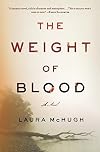
Gripping. The only word that truly does this novel justice. The characters grip to your moral fibers (either in a good or bad way), the plot grips to your inner compass of what's right and wrong, and you find yourself in a hard place, there is nothing to do but finish this book RIGHT NOW. McHugh dramatically and accurately describes the possibilities of what can happen in the dark places of the Ozarks (or any other sparsely located area in our country). Half way through this book you will show more find yourself clinging to your own children, because the way that McHugh describes a mother's love in this book obviously comes from experience. Lucy and Lila are character's that will stick with you through the test of time, weeks after reading this (the first time through, as I'm sure I'll pick it up again) I still find myself thinking about this novel (even while reading OTHER novels).
This book leaves the reader asking real questions, primarily, family or doing what's right? It's not nearly as easy as what you would think... show less
This book leaves the reader asking real questions, primarily, family or doing what's right? It's not nearly as easy as what you would think... show less
In her impressive first novel, McHugh explores the age-old themes of love, desire, jealousy, and revenge, played out in rural Missouri. Seventeen year old Lucy Dane has just started her summer of work at her uncle's store, Dane's (an eatery and bait shop) on the river before her senior year of high school in small-town Henbane. Lucy is looking forward to a summer working with her crush Daniel, so that she might forget for awhile the mysterious disappearance of her mother sixteen years ago show more and the recent murder of her childhood friend Cheri. Cheri, a developmentally challenged young woman, was brutally murdered, butchered, and left in the hollow tree outside her uncle's store last year. Lucy is horrified and intrigued when she finds Cheri's necklace in her uncle's old trailer when he sends her out there to clean it up for resale. Could Uncle Crete have something to do with the murder? Lucy's investigation into Cheri's disappearance and murder dredges up older, darker secrets, and Lucy begins to revisit her mother Lila's disappearance as well. But in the superstitious `hollers' of the backwoods Ozarks, when you turn over a rock, dark things slither out.
The southern gothic tone contributes to the atmosphere of decay, darkness, and secrets running through the novel. McHugh adds suspense by doling out her mystery in split narratives. The first part of the book shifts back and forth from Lucy to her mother Lila, a hauntingly beautiful woman both loved and feared by the townspeople before her disappearance 16 years ago. Lucy has inherited her mother's unearthly beauty, and its consequences. The townspeople accept her as one of their own, but they haven't forgotten her half-Other heritage. Folks whispered that her mother was a witch, and they are leery of Lucy as well. In part two, a number of other narrators appear, enriching the mystery and adding perspective. In part three, Lila's narrative voice has disappeared along with her character, and we reach a resolution through Lucy, neighbor Birdie, and others. By giving a number of her characters a chance to speak, McHugh allows internal monologues to be revealed, offering more nuances to her plot than first person Lucy alone could have provided. This strategy challenges our sympathies, and reminds us that there are no easy villains and heroes in real life.
Though this book is marketed as a mystery-thriller in the vein of Gillian Flynn, the comparison is somewhat misleading. This is a mystery, but it is also a rumination on women and their (often painful) experiences. The rural Missouri setting allows McHugh to explore sexism and misogyny in an isolated environment, highlighting just how trapped and option-less some of these women are. There are women forced into prostitution from necessity, while others are trafficked. Poor dead Cheri was mentally ill, living with a negligent parent, and when she disappears, no one can blame her, but no one goes looking for her either. Girls get pregnant in high school and are forced into the same patterns as their parents: dead end job, no chance of a better life. Elderly women are forced to depend on powerful men for continued livelihood. Pretty girls are suspect creatures, their bodies the ground upon which men enact revenge: revenge for spurning men who feel they deserve access to any woman they desire, revenge in homosocial struggles between men for power. There's no escape for these women. The terrible realities these women face are opened up for the reader: drugs are an escape, abortion is not an option, and putting up with horrible men is sometimes the only way to put food on the table. Outsiders (the mentally ill, newcomers to town, the very poor) are even more at risk - they are a vulnerable population that can be abused and `disappeared' with no consequences. A woman cannot turn to the police, because the police are townspeople. A woman cannot turn to other women, because they face consequences for getting involved. Close-knit communities are hotbeds for violence against women and the suppression of it. The name of the town is symbolic, henbane being a deadly poison, and like its name, Henbane is conceals danger in its pleasant exterior.
In Lucy, McHugh creates a likeable young woman with ingénue, naïve Nancy Drew appeal. She has curiosity about the world, compassion, and a healthy understanding of the world's dangers as well. She's a clever sleuth. McHugh does make use of some sexist stereotypes in her construction of the relationship between Lucy and her friend Bess: they are the virgin and the whore, respectively. Some of the plot is moved forward because of Bess' sexual predilections, and Lucy is admired for her purity, standing out from the other women in town. Aside from this too-easy stereotyped characterization, Lucy's character is well-drawn. She investigates Cheri's murder without taking very stupid risks (though a few times we may question her judgment). The plot description set by the publishing company suggests that this will be a coming-of-age tale with a large love story component through boyfriend Daniel, but (to my relief) the romance is a negligible aspect of the novel. One criticism I did have was with the characterization of the criminal element. This is the backwoods, the hills. There are human traffickers, drug pushers, meth cookers, and gun-runners, and yet the danger did not feel very real. Also frustrating were the number of times resolution or revelation could have been reached if only the characters were willing to offer their information, or be honest about various events. Tension is created, but occasionally at the expense of verisimilitude.
"The Weight of Blood" is a fast-paced mystery, but also a thought-provoking book. We are asked to question tacit acceptance of violence against women, the problematic nature of close-knit communities, and what makes a family - blood ties, or the family you build and protect? Aside from some stereotypes in characterization, this was a highly enjoyable novel. show less
The southern gothic tone contributes to the atmosphere of decay, darkness, and secrets running through the novel. McHugh adds suspense by doling out her mystery in split narratives. The first part of the book shifts back and forth from Lucy to her mother Lila, a hauntingly beautiful woman both loved and feared by the townspeople before her disappearance 16 years ago. Lucy has inherited her mother's unearthly beauty, and its consequences. The townspeople accept her as one of their own, but they haven't forgotten her half-Other heritage. Folks whispered that her mother was a witch, and they are leery of Lucy as well. In part two, a number of other narrators appear, enriching the mystery and adding perspective. In part three, Lila's narrative voice has disappeared along with her character, and we reach a resolution through Lucy, neighbor Birdie, and others. By giving a number of her characters a chance to speak, McHugh allows internal monologues to be revealed, offering more nuances to her plot than first person Lucy alone could have provided. This strategy challenges our sympathies, and reminds us that there are no easy villains and heroes in real life.
Though this book is marketed as a mystery-thriller in the vein of Gillian Flynn, the comparison is somewhat misleading. This is a mystery, but it is also a rumination on women and their (often painful) experiences. The rural Missouri setting allows McHugh to explore sexism and misogyny in an isolated environment, highlighting just how trapped and option-less some of these women are. There are women forced into prostitution from necessity, while others are trafficked. Poor dead Cheri was mentally ill, living with a negligent parent, and when she disappears, no one can blame her, but no one goes looking for her either. Girls get pregnant in high school and are forced into the same patterns as their parents: dead end job, no chance of a better life. Elderly women are forced to depend on powerful men for continued livelihood. Pretty girls are suspect creatures, their bodies the ground upon which men enact revenge: revenge for spurning men who feel they deserve access to any woman they desire, revenge in homosocial struggles between men for power. There's no escape for these women. The terrible realities these women face are opened up for the reader: drugs are an escape, abortion is not an option, and putting up with horrible men is sometimes the only way to put food on the table. Outsiders (the mentally ill, newcomers to town, the very poor) are even more at risk - they are a vulnerable population that can be abused and `disappeared' with no consequences. A woman cannot turn to the police, because the police are townspeople. A woman cannot turn to other women, because they face consequences for getting involved. Close-knit communities are hotbeds for violence against women and the suppression of it. The name of the town is symbolic, henbane being a deadly poison, and like its name, Henbane is conceals danger in its pleasant exterior.
In Lucy, McHugh creates a likeable young woman with ingénue, naïve Nancy Drew appeal. She has curiosity about the world, compassion, and a healthy understanding of the world's dangers as well. She's a clever sleuth. McHugh does make use of some sexist stereotypes in her construction of the relationship between Lucy and her friend Bess: they are the virgin and the whore, respectively. Some of the plot is moved forward because of Bess' sexual predilections, and Lucy is admired for her purity, standing out from the other women in town. Aside from this too-easy stereotyped characterization, Lucy's character is well-drawn. She investigates Cheri's murder without taking very stupid risks (though a few times we may question her judgment). The plot description set by the publishing company suggests that this will be a coming-of-age tale with a large love story component through boyfriend Daniel, but (to my relief) the romance is a negligible aspect of the novel. One criticism I did have was with the characterization of the criminal element. This is the backwoods, the hills. There are human traffickers, drug pushers, meth cookers, and gun-runners, and yet the danger did not feel very real. Also frustrating were the number of times resolution or revelation could have been reached if only the characters were willing to offer their information, or be honest about various events. Tension is created, but occasionally at the expense of verisimilitude.
"The Weight of Blood" is a fast-paced mystery, but also a thought-provoking book. We are asked to question tacit acceptance of violence against women, the problematic nature of close-knit communities, and what makes a family - blood ties, or the family you build and protect? Aside from some stereotypes in characterization, this was a highly enjoyable novel. show less
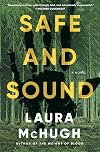
Disturbing, dark, and haunting mystery thriller.
For over six years since Grace Crow disappeared, her cousins Amelia and Kylee have wondered what happened to her. Living in a small, depressing go nowhere town, Beaumont, Missouri, hasn't made their loss less unbearable and their aunt, Grace's mother, still holds a vigil every year as they wait to find answers. Grace had been desperate to flee Beaumont by leaving home to go to college, but she never made it out of the place. Now Amelia and show more Kylee plan their escape, but there are still way too many questions. Then, human remains are discovered. Could they finally get some closure?
This was somewhat depressing as a bleak drama and the claustrophobia and desperation of life in Beaumont really created the perfect atmosphere for the plot to unfold. The characters were all quite interesting, some good and some horrid with others walking that fine line between. Some I liked and others I detested (especially Norman). The story is told in a then and now line with shifting points of view between Grace in the past and Amelia and Kylee in the present. I was lucky enough to be able to listen to the audiobook (narrated by the excellent Jorjeana Marie) while also following along in the e-book ARC provided by the publisher. She did an amazing job voicing the characters and that definitely enhanced my appreciation of the book.
I liked this novel but be prepared for triggers such as pedophilia. I enjoyed the writing quality and was really absorbed as the secrets and revelations came to light. The only part I did not care for, and what really affected my overall rating, was the conclusion. It was unexpected, yes, and I just did not like the way it ended. I would have rather seen many other resolutions and I especially do not like ambiguity in a mystery, but I'll leave it here. show less
For over six years since Grace Crow disappeared, her cousins Amelia and Kylee have wondered what happened to her. Living in a small, depressing go nowhere town, Beaumont, Missouri, hasn't made their loss less unbearable and their aunt, Grace's mother, still holds a vigil every year as they wait to find answers. Grace had been desperate to flee Beaumont by leaving home to go to college, but she never made it out of the place. Now Amelia and show more Kylee plan their escape, but there are still way too many questions. Then, human remains are discovered. Could they finally get some closure?
This was somewhat depressing as a bleak drama and the claustrophobia and desperation of life in Beaumont really created the perfect atmosphere for the plot to unfold. The characters were all quite interesting, some good and some horrid with others walking that fine line between. Some I liked and others I detested (especially Norman). The story is told in a then and now line with shifting points of view between Grace in the past and Amelia and Kylee in the present. I was lucky enough to be able to listen to the audiobook (narrated by the excellent Jorjeana Marie) while also following along in the e-book ARC provided by the publisher. She did an amazing job voicing the characters and that definitely enhanced my appreciation of the book.
I liked this novel but be prepared for triggers such as pedophilia. I enjoyed the writing quality and was really absorbed as the secrets and revelations came to light. The only part I did not care for, and what really affected my overall rating, was the conclusion. It was unexpected, yes, and I just did not like the way it ended. I would have rather seen many other resolutions and I especially do not like ambiguity in a mystery, but I'll leave it here. show less
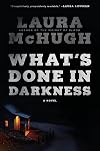
WHAT’S DONE IN DARKNESS is a gripping dark mystery that made me super uneasy! I love that Laura McHugh sets her atmospheric thrillers in small towns around the Midwest, in Missouri, Iowa, Kansas, and now Arkansas — technically a Southern state, but close enough for me.
The main character is Sarah/Sarabeth, a young woman who has endured A LOT. As a teen her parents joined a fringe religious group and moved the family to a remote farm in Arkansas. She is stifled by the strict rules and show more dreams of escaping. Just before her 18th birthday, she’s abducted by a masked man, but found a week later. This horrific experience ends up being her ticket out, but she won’t easily shake the trauma. The police have no leads, and her case eventually fades to the background.
Fast-forward five years, and Sarah is still dealing with scars from the past, but doing her best to move on. She’s contacted by investigator Nick Farrow who’s working on another missing persons case similar to her own and needs her help. Of course that means going back to the family farmstead to face her past, but is she ready for what might be revealed?
Sarah’s story is gut wrenching and really put me on edge. Chapters alternate between Sarah in the present and Sarabeth in the past, so readers can experience what she went through. I was engrossed in the mystery and the many dark secrets that were gradually revealed.
WHAT’S DONE IN DARKNESS is another gritty, fast-paced, and enjoyable thriller from Laura McHugh. The situations of unreported missing girls from the hollers presented in this book are probably more common than we think. Eye-opening!
So, Nick Farrow’s character. I pictured him looking and acting like Detective Colin Zabel from Mare of Easttown. (Have you seen that show? If not, you must watch.)
I love the mention of Lambert’s Cafe! I’ve never been there, but I see the billboards when we drive to the Ozarks — “Home of the throwed rolls!” That’s so funny. I always wonder why someone would want rolls thrown at them in a restaurant.
Disclosure: I received a copy of this book from the publisher through NetGalley in exchange for an honest review. show less
The main character is Sarah/Sarabeth, a young woman who has endured A LOT. As a teen her parents joined a fringe religious group and moved the family to a remote farm in Arkansas. She is stifled by the strict rules and show more dreams of escaping. Just before her 18th birthday, she’s abducted by a masked man, but found a week later. This horrific experience ends up being her ticket out, but she won’t easily shake the trauma. The police have no leads, and her case eventually fades to the background.
Fast-forward five years, and Sarah is still dealing with scars from the past, but doing her best to move on. She’s contacted by investigator Nick Farrow who’s working on another missing persons case similar to her own and needs her help. Of course that means going back to the family farmstead to face her past, but is she ready for what might be revealed?
Sarah’s story is gut wrenching and really put me on edge. Chapters alternate between Sarah in the present and Sarabeth in the past, so readers can experience what she went through. I was engrossed in the mystery and the many dark secrets that were gradually revealed.
WHAT’S DONE IN DARKNESS is another gritty, fast-paced, and enjoyable thriller from Laura McHugh. The situations of unreported missing girls from the hollers presented in this book are probably more common than we think. Eye-opening!
So, Nick Farrow’s character. I pictured him looking and acting like Detective Colin Zabel from Mare of Easttown. (Have you seen that show? If not, you must watch.)
I love the mention of Lambert’s Cafe! I’ve never been there, but I see the billboards when we drive to the Ozarks — “Home of the throwed rolls!” That’s so funny. I always wonder why someone would want rolls thrown at them in a restaurant.
Disclosure: I received a copy of this book from the publisher through NetGalley in exchange for an honest review. show less
Lists
Awards


You May Also Like


Statistics
- Works
- 6
- Members
- 1,616
- Popularity
- #15,942
- Rating
- 3.8
- Reviews
- 227
- ISBNs
- 56
- Languages
- 2
- Favorited
- 1
